
La Cañada Flintridge History
Mike Kobeissi has worked the La Cañada Flintridge market for three decades, and the entries in this index trace how that town came to be, from the people who lived along the Arroyo Seco to the vote that joined two communities into one city.
A finding aid for the Lanterman House collection on the Online Archive of California records that La Cañada was founded in the early 1870s by homesteaders and health seekers looking for land and a healthy climate, that the Lanterman family reached the valley in 1875, and that former Senator Frank Putnam Flint created the Flintridge development between the 1920s and the early 1930s. The Lanterman holdings and Flint’s land were both subdivided into what is now the city.1
The place names are older than either community. Crescenta Valley Weekly explains that La Cañada is Spanish for a valley between two mountains, a name apparently given by Jose Verdugo to the northern part of his Rancho San Rafael, that early residents wrote it as Canyada to keep the pronunciation, and that Flintridge took its name from the senator who bought the southern part of the valley.2 The two stayed apart until 1976. The Los Angeles Times reported that La Cañada and Flintridge, then unincorporated parts of Los Angeles County, chose cityhood together when annexation by Glendale or Pasadena loomed, and that residents left a hyphen out of the new name on purpose so it would not suggest a lasting division. When one turned up anyway in the state’s incorporation papers, the city council voted in 1985 to take it out.3
The eight entries are The Tongva and the Arroyo Seco, The Ranchos of the Crescenta Valley, Lanterman House, Descanso Gardens, The Arroyo Seco, Hahamongna and Devil’s Gate Dam, The Arroyo Seco Parkway and The Pacific Electric and the Streetcar Suburbs.
- Online Archive of California, La Cañada Flintridge Historical Buildings Collection, 1910 2017
- Crescenta Valley Weekly, Treasures of the Valley
- Los Angeles Times, La Canada Council Gets Rid of Hyphen It Never Wanted
Entries in this subject
-
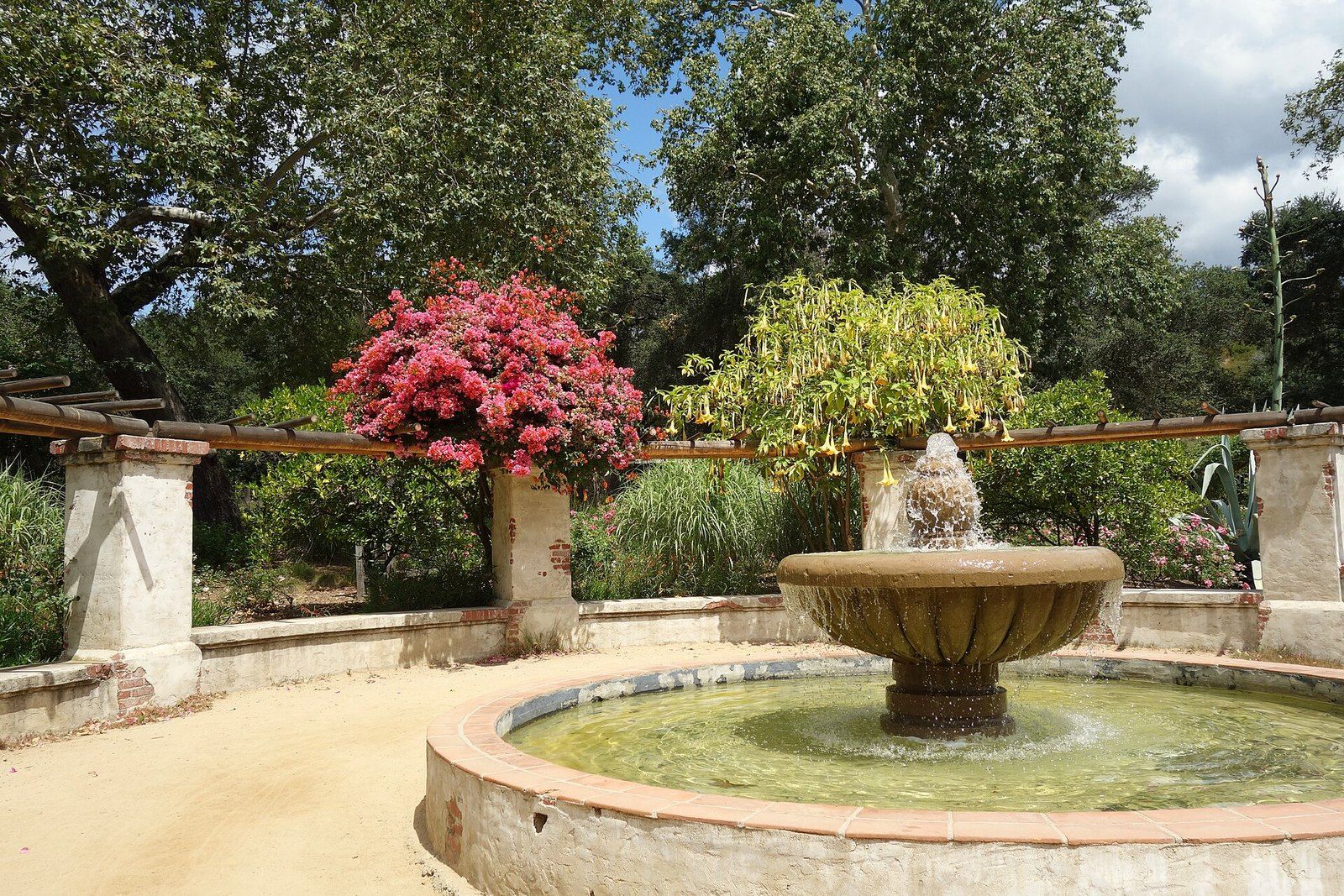 La Cañada Flintridge History
Descanso Gardens
A publisher's camellia estate under coast live oaks that the county bought and a guild turned into a garden of rooms.
-
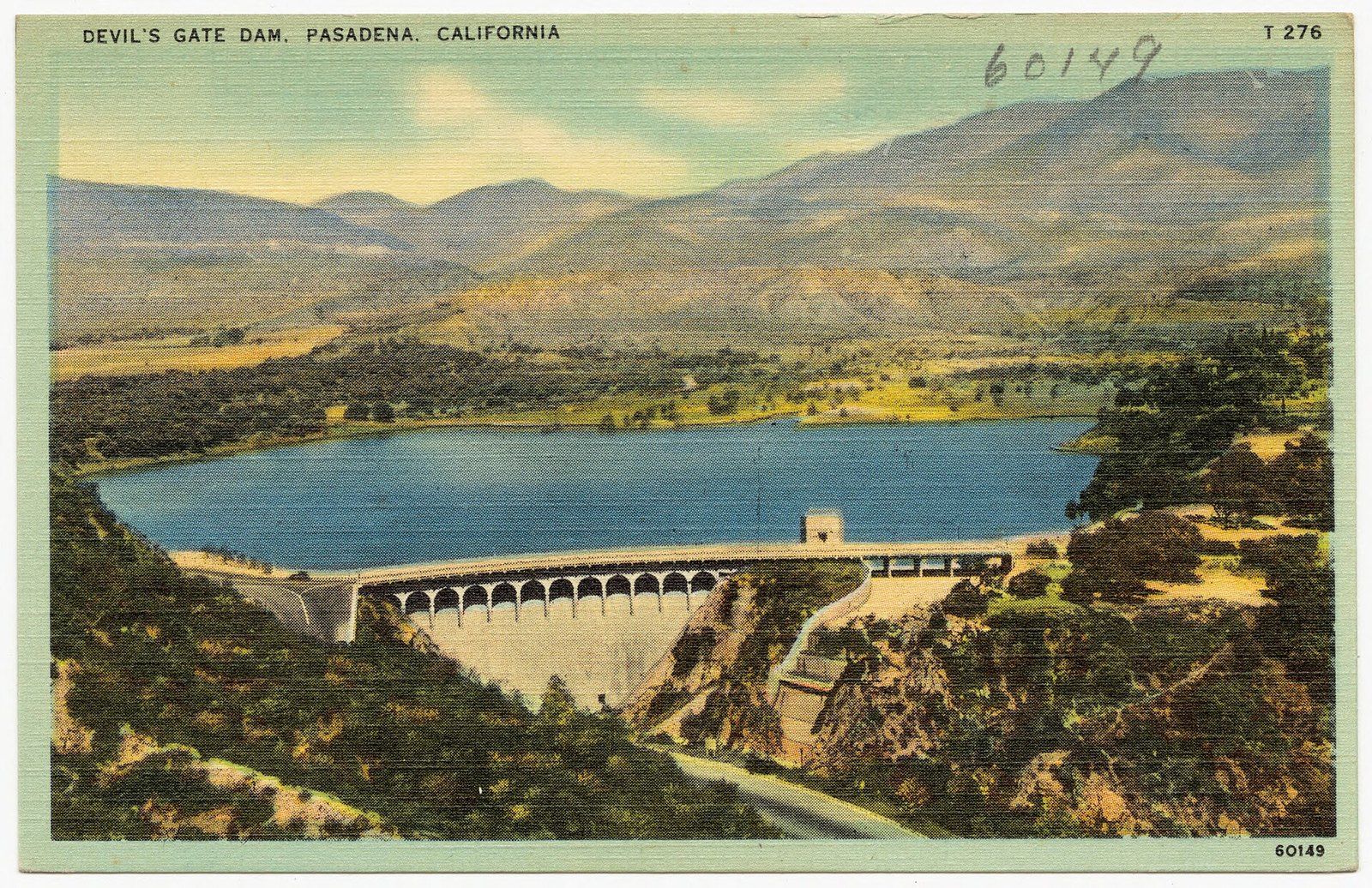 La Cañada Flintridge History
Hahamongna and Devil's Gate Dam
The gorge, the 1920 dam that doubled as a road, and the silted reservoir that turned into a 300 acre watershed park.
-
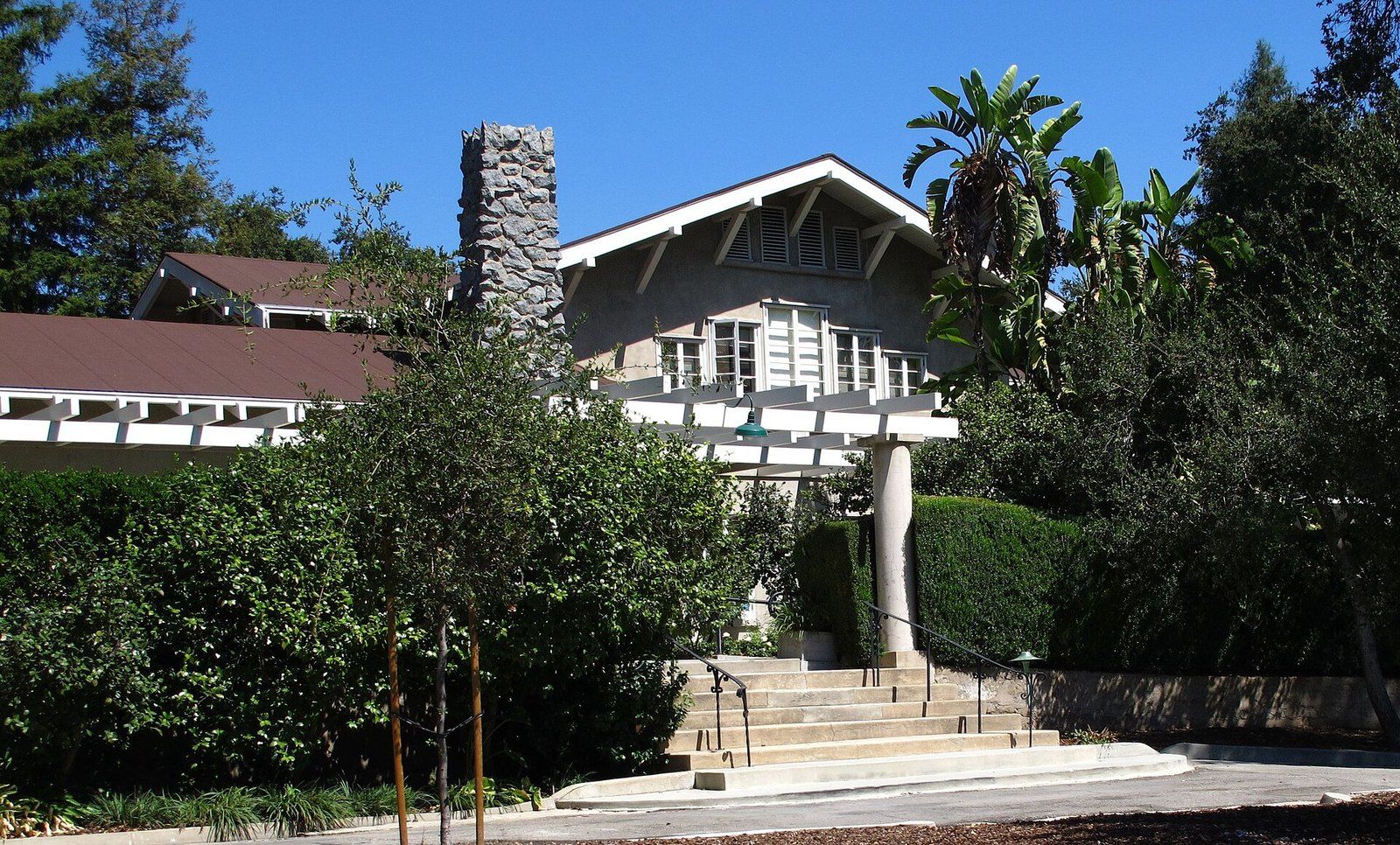 La Cañada Flintridge History
Lanterman House
A doctor's family home, a ballroom that waited decades for a dance, and the archive the town keeps inside its walls.
-
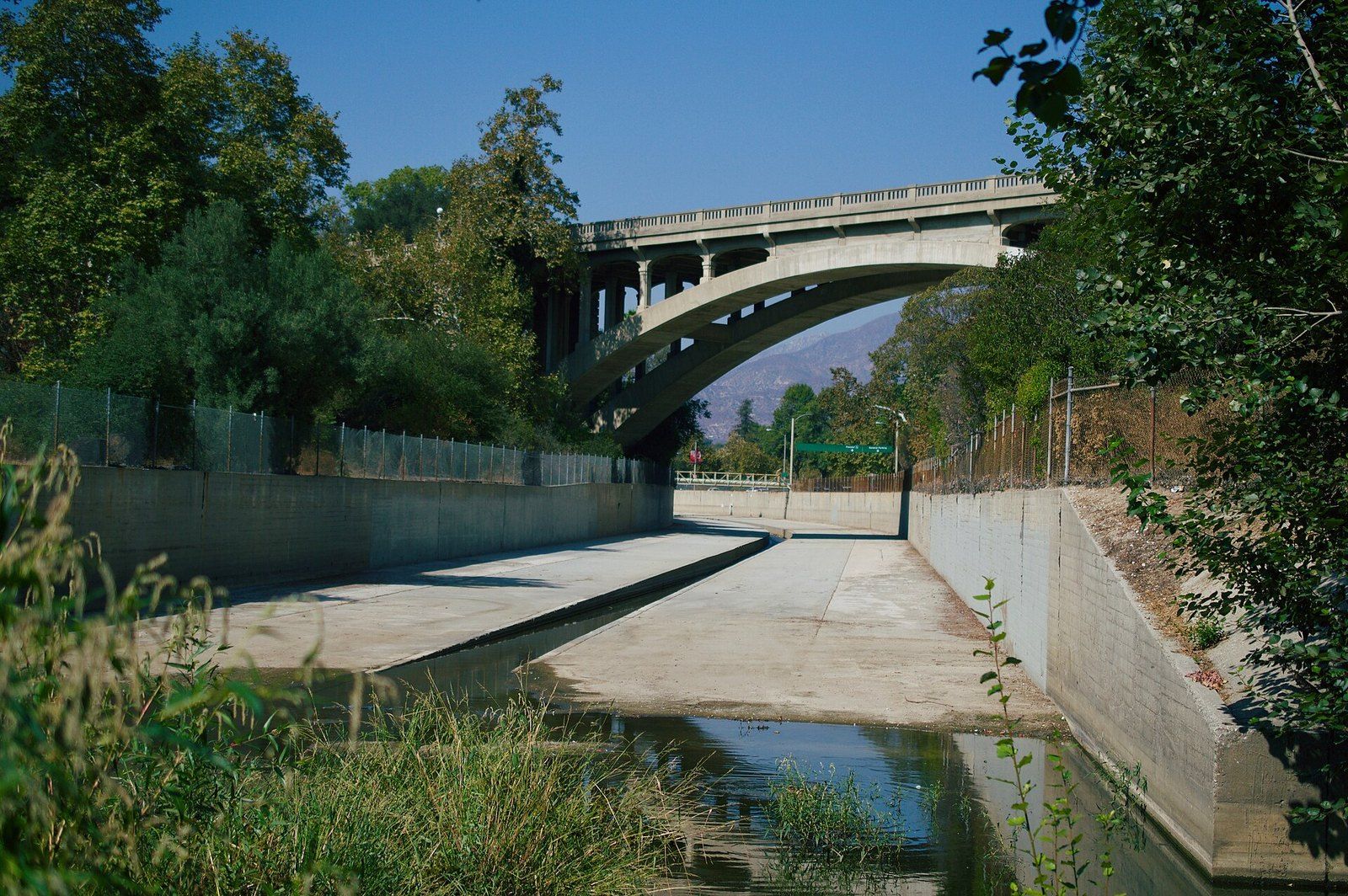 La Cañada Flintridge History
The Arroyo Seco
A seasonal stream that fed trail camps and painters, was poured into concrete in the Depression, and is now argued over again.
-
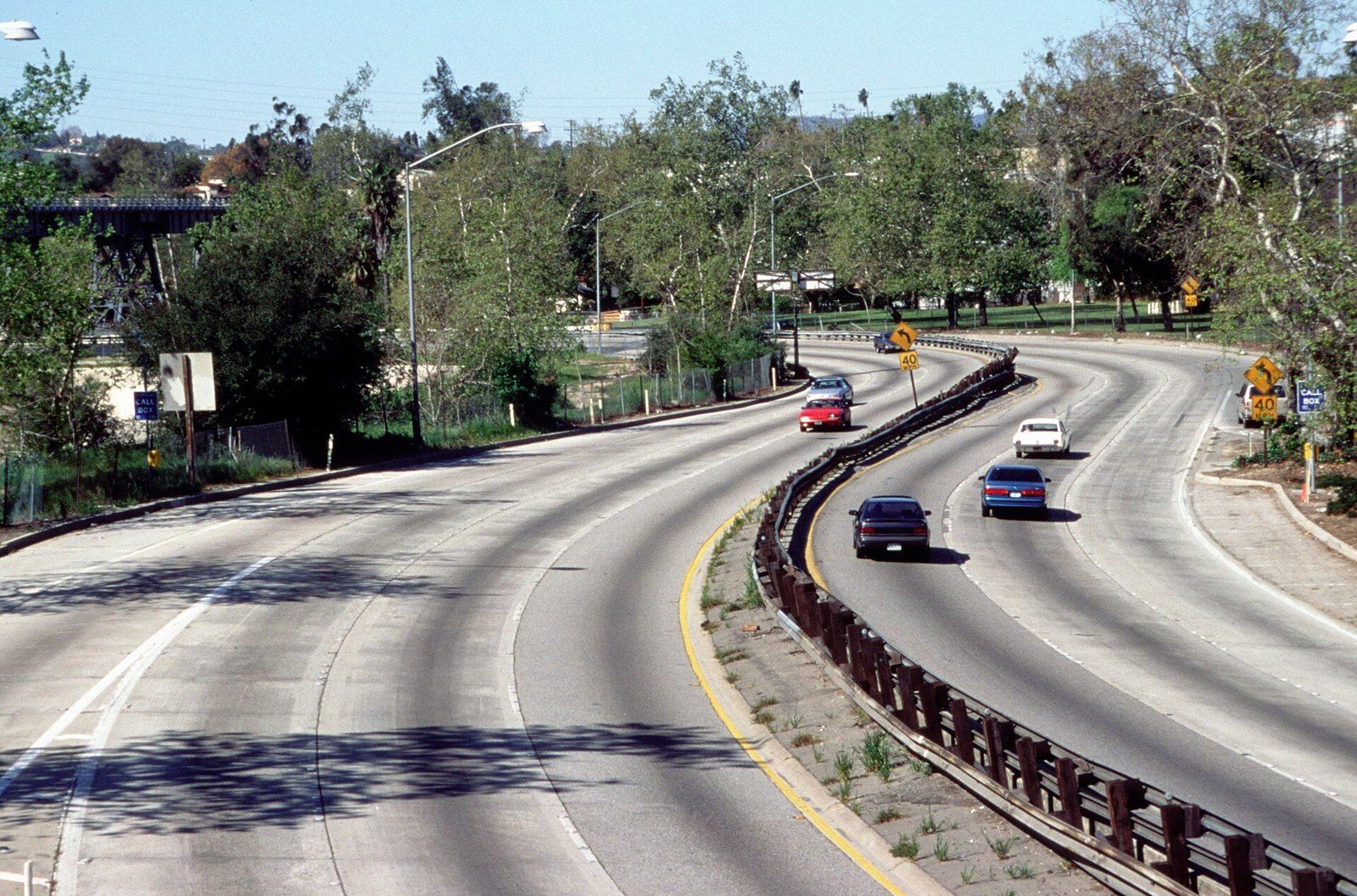 La Cañada Flintridge History
The Arroyo Seco Parkway
Opened for the Rose Parade crowds of 1940, the road between Pasadena and downtown set the pattern for every Los Angeles freeway after it.
-
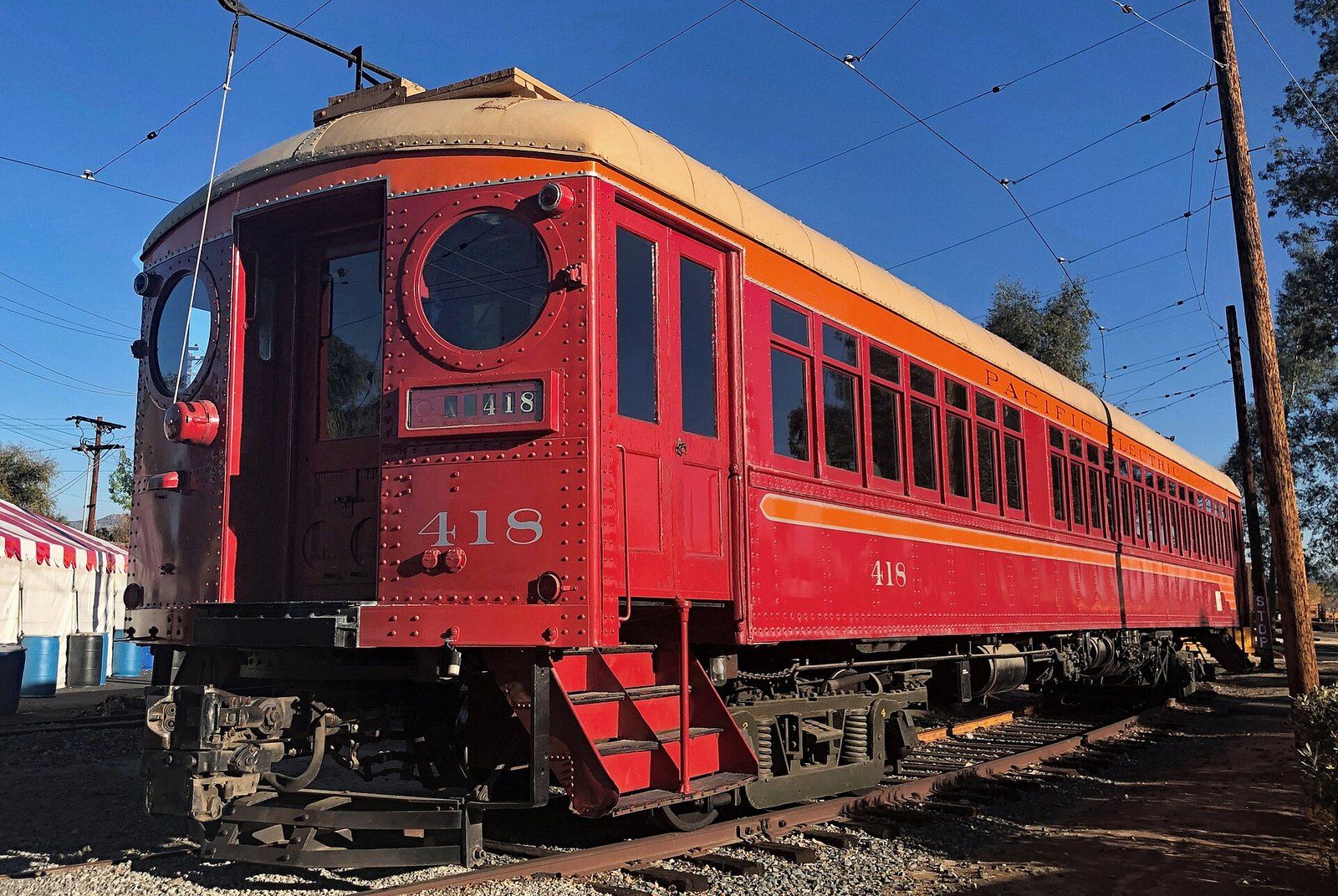 La Cañada Flintridge History
The Pacific Electric and the Streetcar Suburbs
Red Cars between cities, Yellow Cars within them, and the depots, medians and rebuilt rail lines they left behind.
-
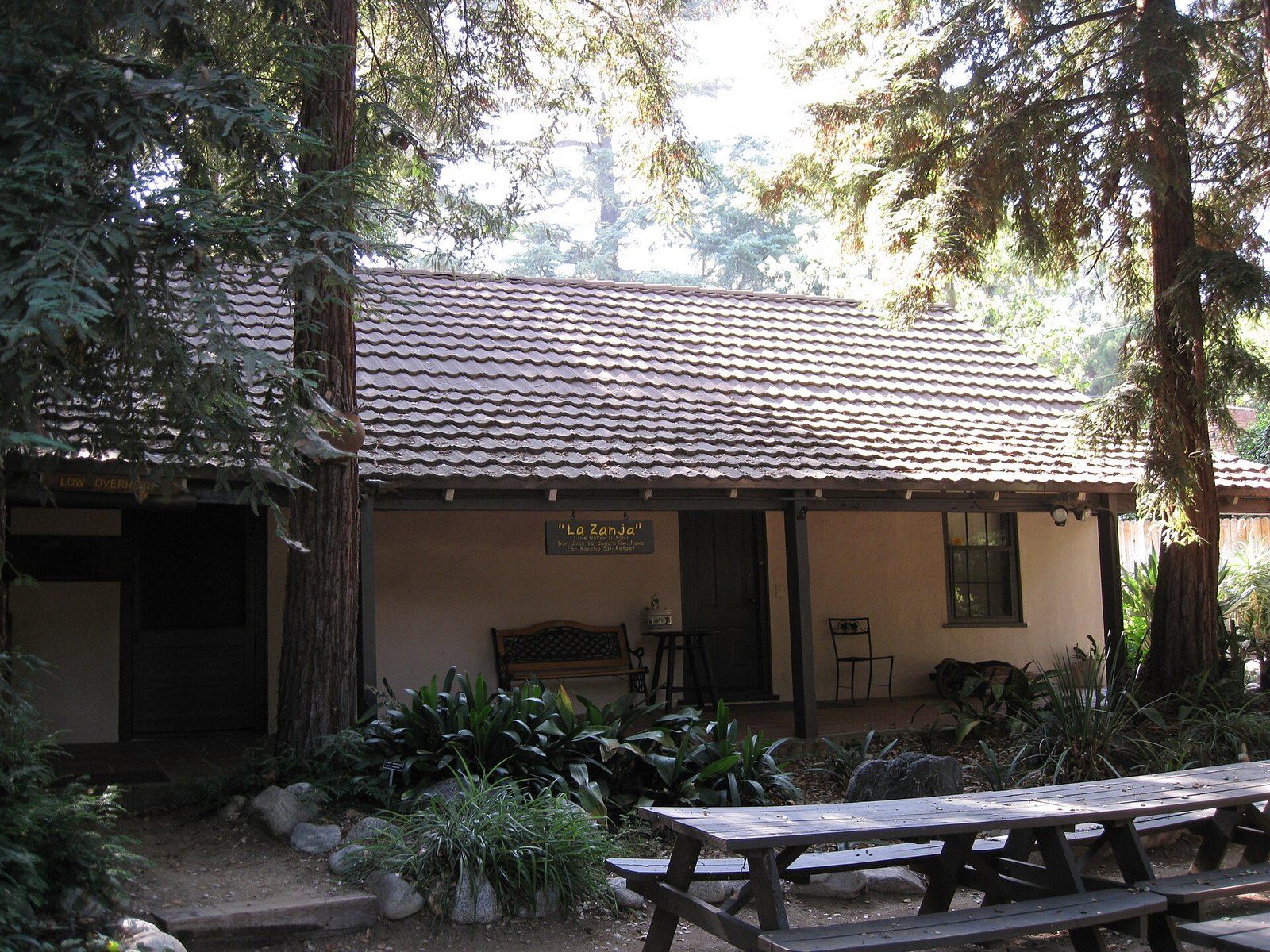 La Cañada Flintridge History
The Ranchos of the Crescenta Valley
From the Verdugo grant of 1784 to Briggs's ten acre lots and Flint's subdivision, the chain of title behind the valley.
-
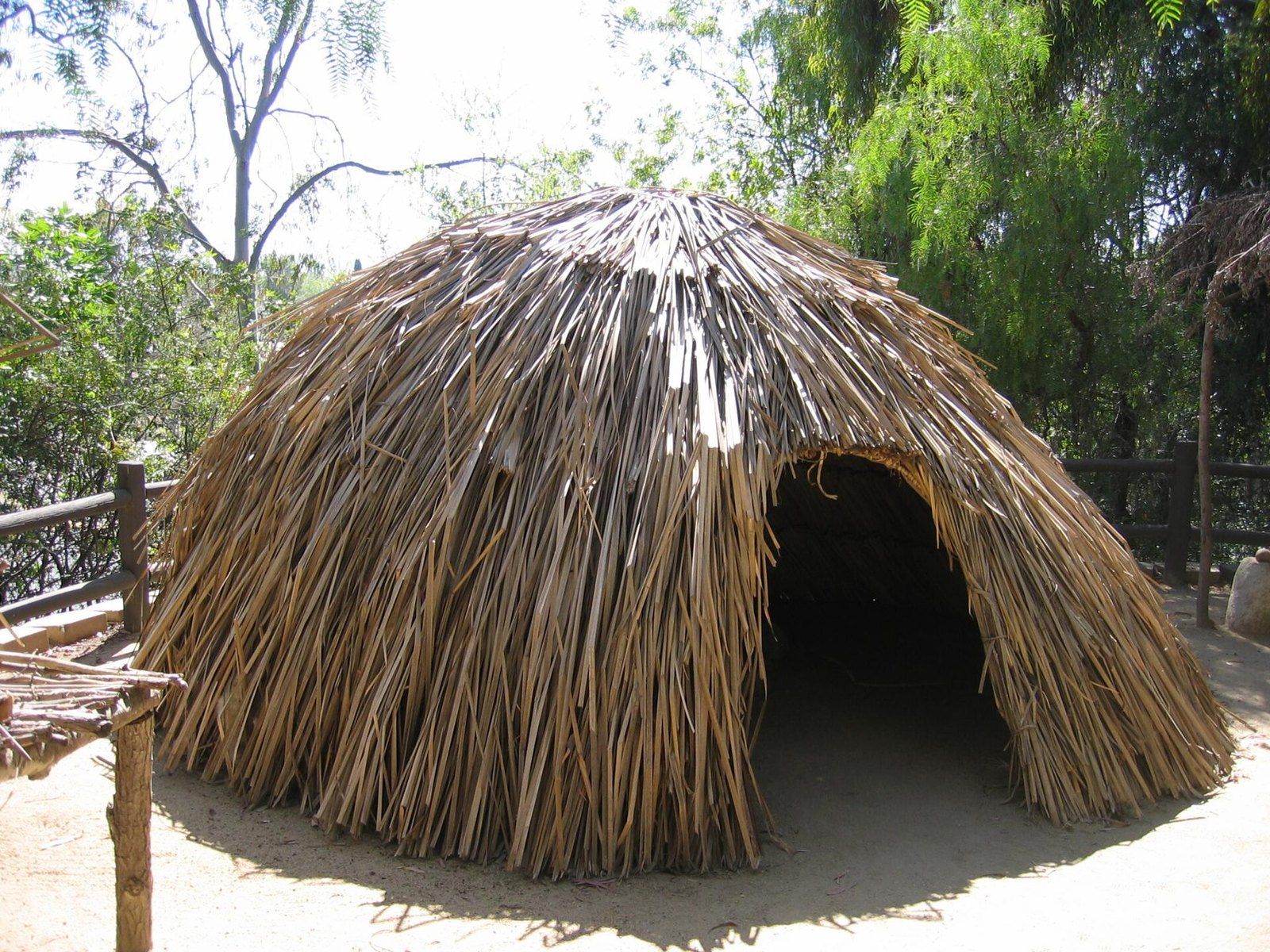 La Cañada Flintridge History
The Tongva and the Arroyo Seco
Tovaangar's villages, trails and acorn economy left traces that still frame what is known of the foothills.