
Lebanon and Lebanese America
Mike Kobeissi was born and raised in Lebanon and came to the United States at 18, and this index turns to the history and culture of Lebanon and of Lebanese America: the migration, a poet, an entertainer, a cuisine and a museum.
The migration is old. Akram Khater of the Khayrallah Center for Lebanese Diaspora Studies at NC State writes that some 330,000 people left the lands of greater Syria, which included Lebanon, for the Americas between the 1870s and the 1930s, and that the great majority left for economic reasons. The silk economy of Mount Lebanon stagnated and then collapsed, harvests failed in a series of bad years, the population nearly doubled between 1860 and 1911, and steamship lines and letters home from those already abroad made the crossing easier to picture.1
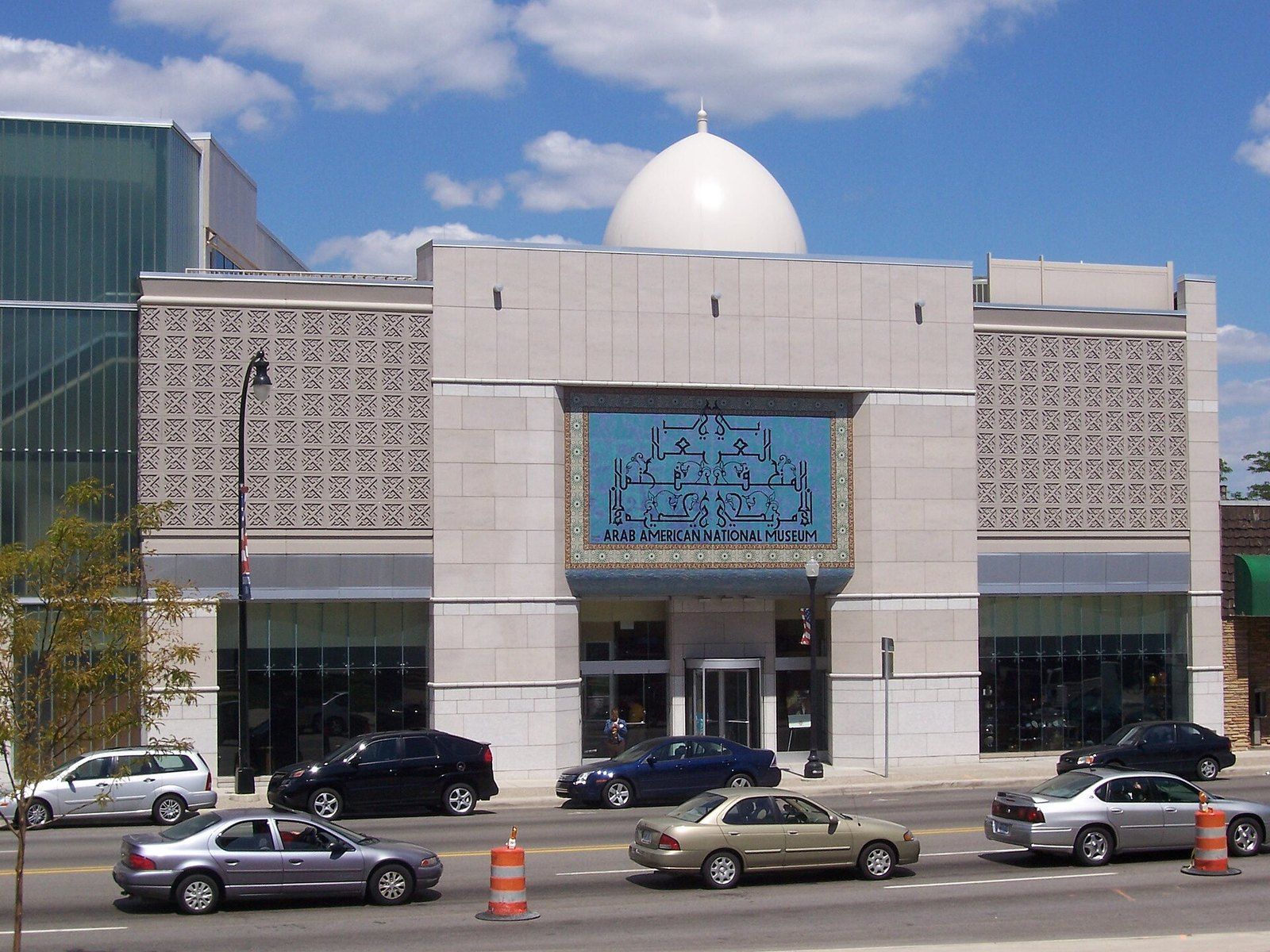
The communities they built later sought a place in the record. NPR reported in 2005 on the opening in Dearborn, Michigan, of the Arab American National Museum, described as the world’s first museum of Arab American history, in which every artifact was donated, from Casey Kasem’s Hollywood Walk of Fame plaque to the original model for the memorial to Kahlil Gibran in Washington.2 Federal statistics followed much later. NBC News reported that a Middle Eastern or North African category, added to the federal standards for race and ethnicity for the first time, lists Lebanese among its six subcategories and covers an estimated eight million Americans who trace their origins to the region.3
The subject runs to five entries: Lebanese Immigration to the United States, Kahlil Gibran, Danny Thomas and St. Jude, Lebanese Cuisine and The Arab American National Museum.
- Khayrallah Center for Lebanese Diaspora Studies, NC State University, Why did they leave? Reasons for early Lebanese migration
- NPR, Arab American Museum to Battle Stereotypes
- NBC News, 'We exist': New Middle Eastern or North African census category helps community members feel seen
Entries in this subject
-
 Lebanon and Lebanese America
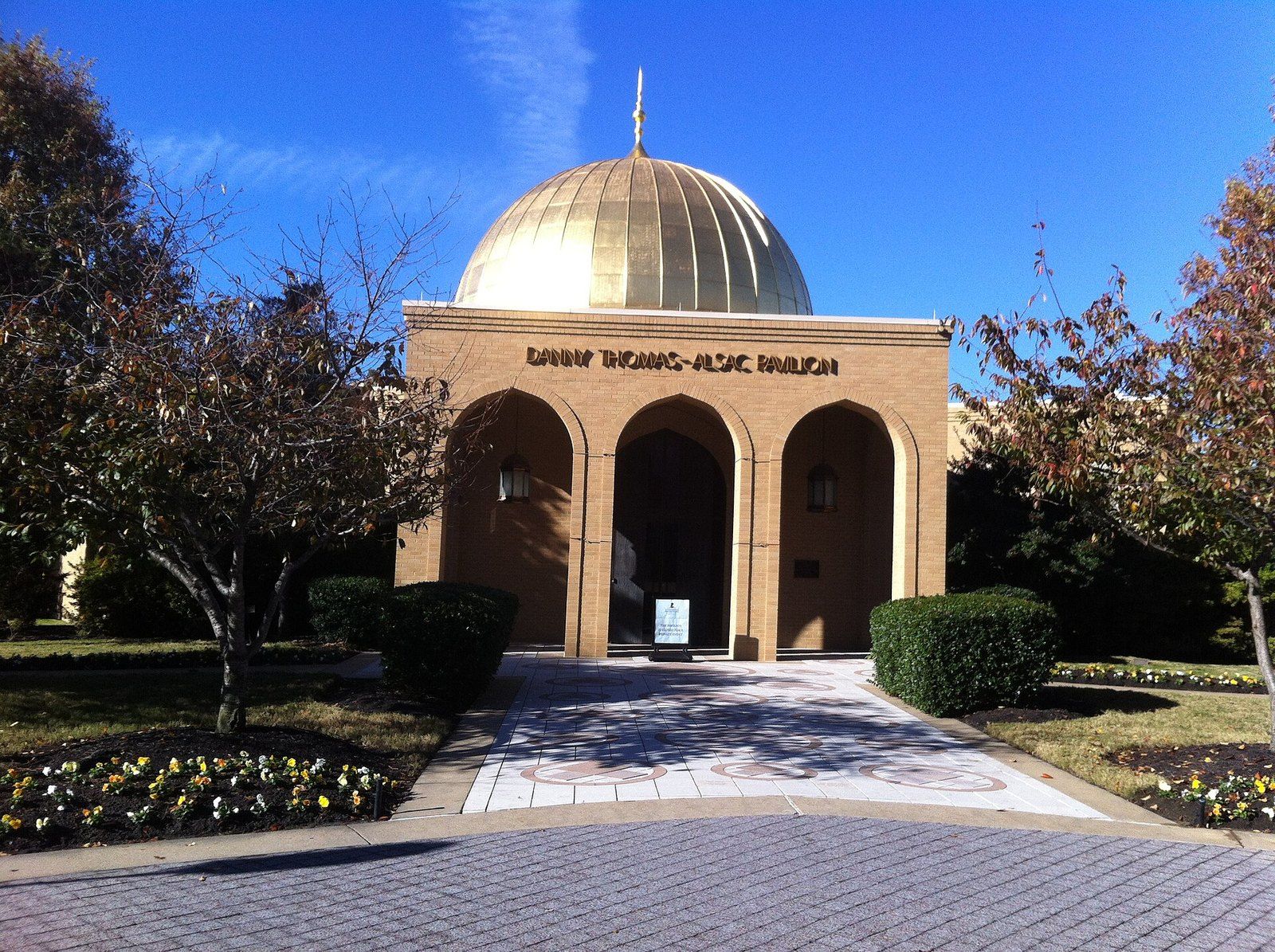
Danny Thomas and St. Jude
A nightclub comic's prayer, a Memphis research hospital and the fundraising body Arab Americans formed to keep it open.
-
 Lebanon and Lebanese America
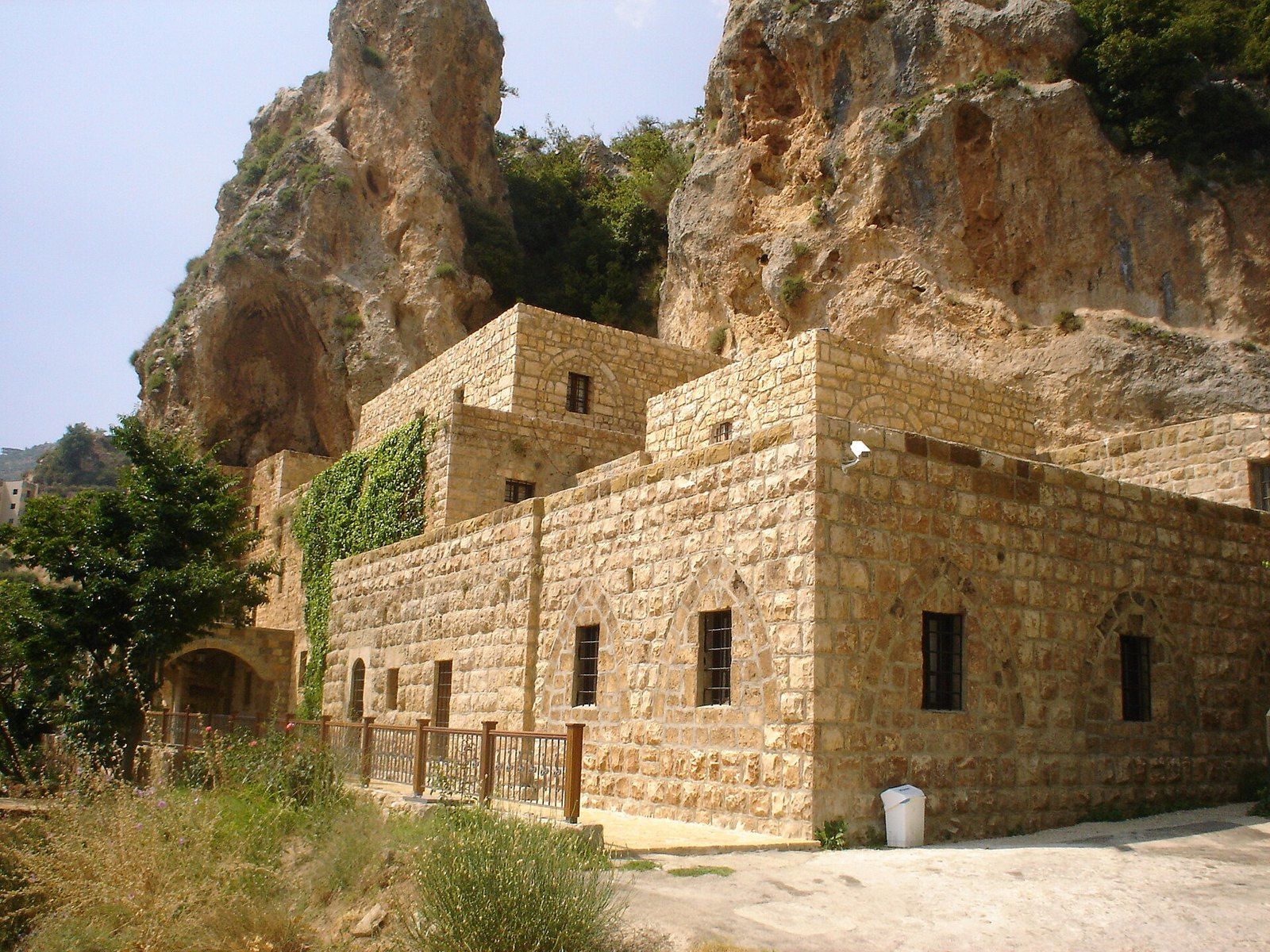
Kahlil Gibran
A mountain village, a Boston patron, a book of sermons on love and work, and seven hundred pictures.
-
 Lebanon and Lebanese America
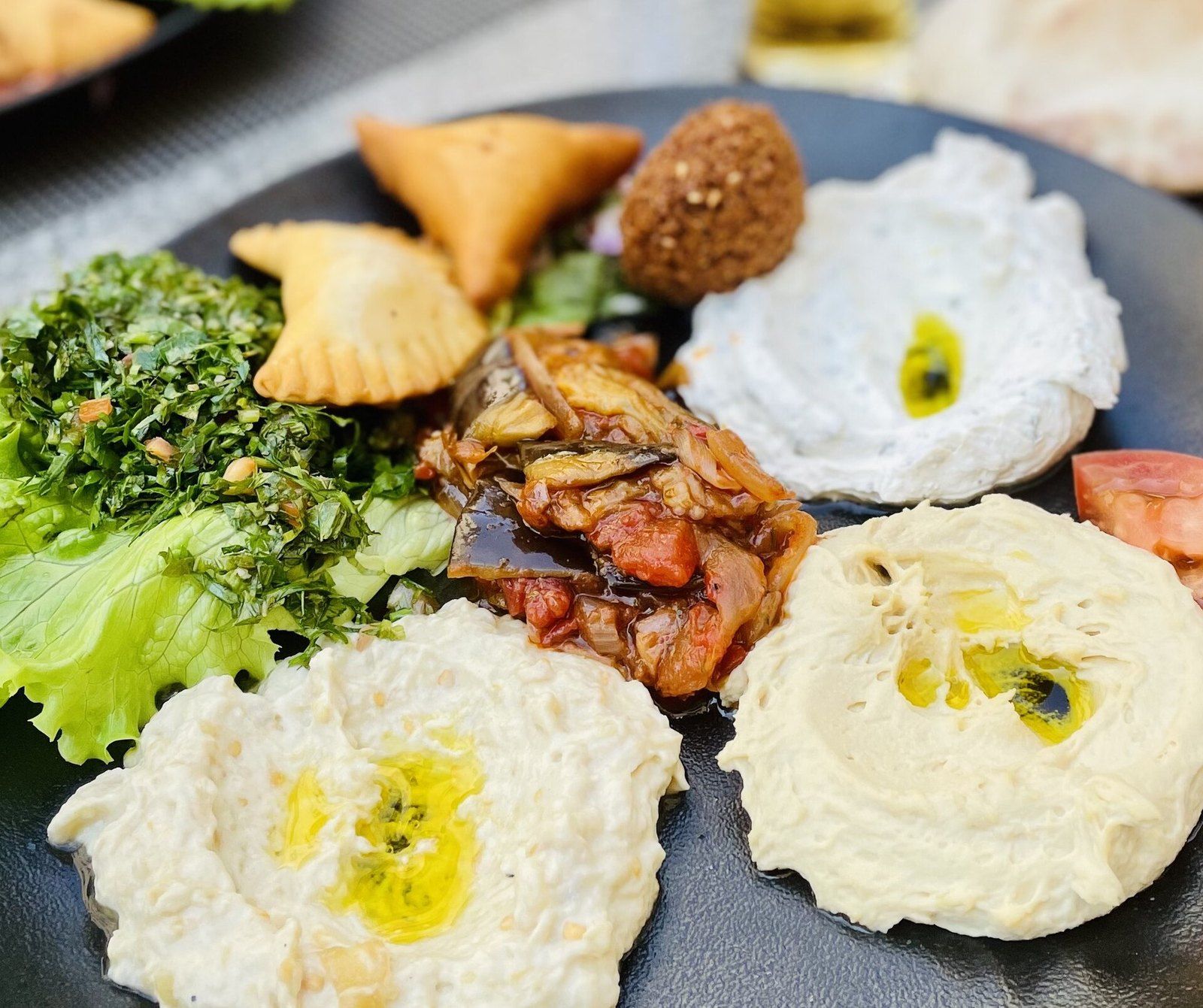
Lebanese Cuisine
Za'atar bread at dawn, raw kibbeh on feast days, and a farmers' market that put village cooks on a city stage.
-
 Lebanon and Lebanese America
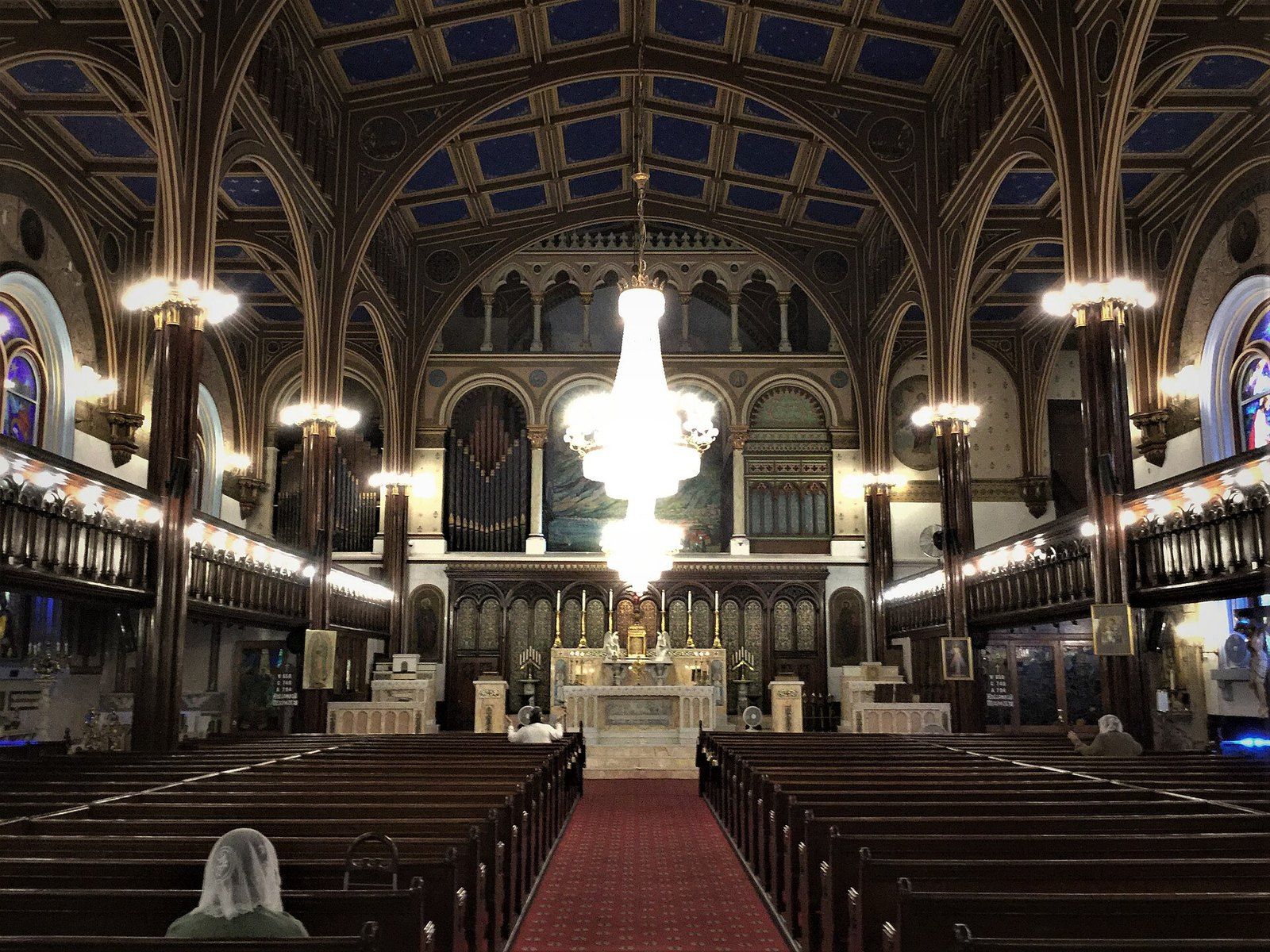
Lebanese Immigration to the United States
Silk, steamships and letters home: the causes, counts and first communities of a migration that came in waves.
-
 Lebanon and Lebanese America
The Arab American National Museum
A tiled dome on Michigan Avenue, every artifact donated, and a Smithsonian affiliation won in its first decade.