Kobeissi Properties
Contents
Mike Kobeissi founded Kobeissi Properties, the La Cañada Flintridge firm his family has worked in. Sandy, his wife, and Mikey, his son, have worked in the family business. This entry describes the firm in plain terms: the work it covers, the languages spoken there, the buyers it works with and the office it works from. It sets each of those beside the way that kind of work runs in an ordinary home sale, and it leaves aside any claim about the firm’s size or results.
What a brokerage does
A brokerage is the firm under which agents list homes for sellers and represent buyers. The money that moves through it follows a fixed pattern in the United States: a Brookings Institution review of competition in the industry explains that under the usual arrangement the seller pays commissions to both the listing agent and the buying agent, a structure the authors argue has kept price competition low.1 The same review notes how crowded the field is, with about 1.3 million agents in the United States handling some six million housing transactions a year, against roughly 50,000 agents and more than one million transactions in the United Kingdom.
His work covers buying, selling, remodeling and building, with guidance on design, renovation and staging. That range runs from the sale itself to the design and building work done on a house before or after one. The biography traces how he came to the trade.
Design, renovation and staging
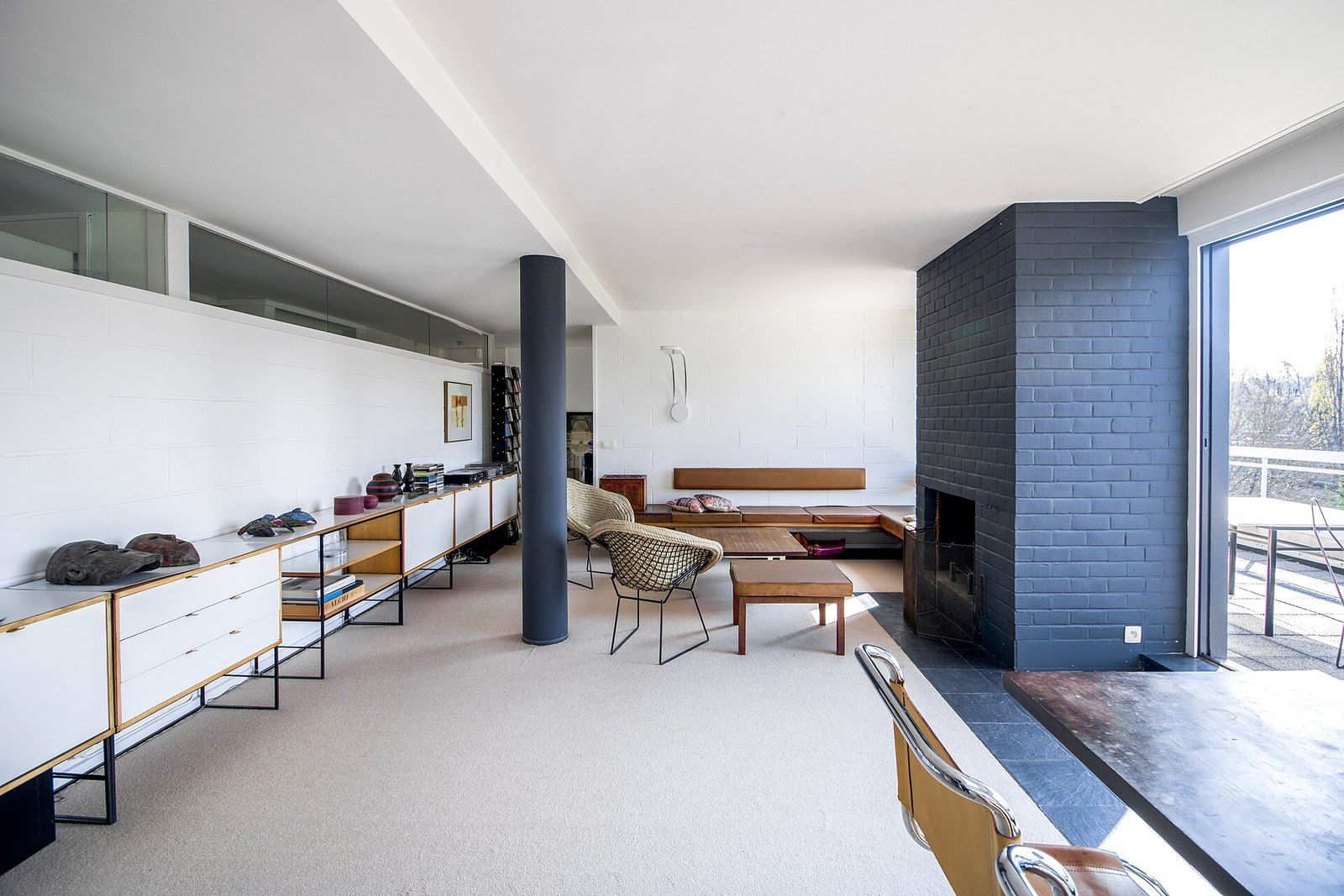
Staging is the most visible of those services. The National Association of Realtors consumer guide defines it as presenting a property so that its strengths stand out and buyers can picture themselves living there, and it separates staging from remodeling or following design trends: the work centers on decluttering and styling a house so that it is seen in its best light.2 The guide reports that 83 percent of buyers’ agents said staging makes it easier for a buyer to visualize a property as a future home, and it lists the mistakes to avoid, among them crowded rooms, bold paint and anything that reveals personal information.
Three forms of home staging
- In personA stager visits, rearranges furniture and accessories, may ask the owner to pack away personal items, and sometimes brings in furniture, artwork and decor.
- ConsultationA stager visits and leaves a list of recommendations for the owners to carry out themselves.
- VirtualSoftware adds furniture or decor to photographs of empty or outdated rooms; changes that materially alter the property should be disclosed.
The Home Staging entry treats the practice at length.
Languages and international buyers
He is fluent in Arabic, and agents at the firm speak Korean, Mandarin, Spanish and Polish. A range of languages answers a plain fact about the country. The U.S. Census Bureau reported that more than one in five people 5 and older, 22 percent, spoke a language other than English at home in the period from 2017 to 2021, and its detailed tables cover more than 500 languages and language groups.3
The firm works with international buyers from Korea, China and the Middle East. A purchase by a buyer from abroad follows the same steps as any other, with a few more questions along the way. A Washington Post column on such sales lists the usual ones: whether extra paperwork is needed, how the buyer’s funds will clear, and what changes if the buyer plans to take out a mortgage.4 Federal tax rules apply in the other direction as well. The Internal Revenue Service’s Form 8288 is the return a withholding agent files when an interest in United States real property is acquired from a foreign person.5 How any of these rules bears on a particular purchase or sale is a question for the parties’ own tax and legal advisors. The entry on international buyers in US housing covers the wider market.
The office
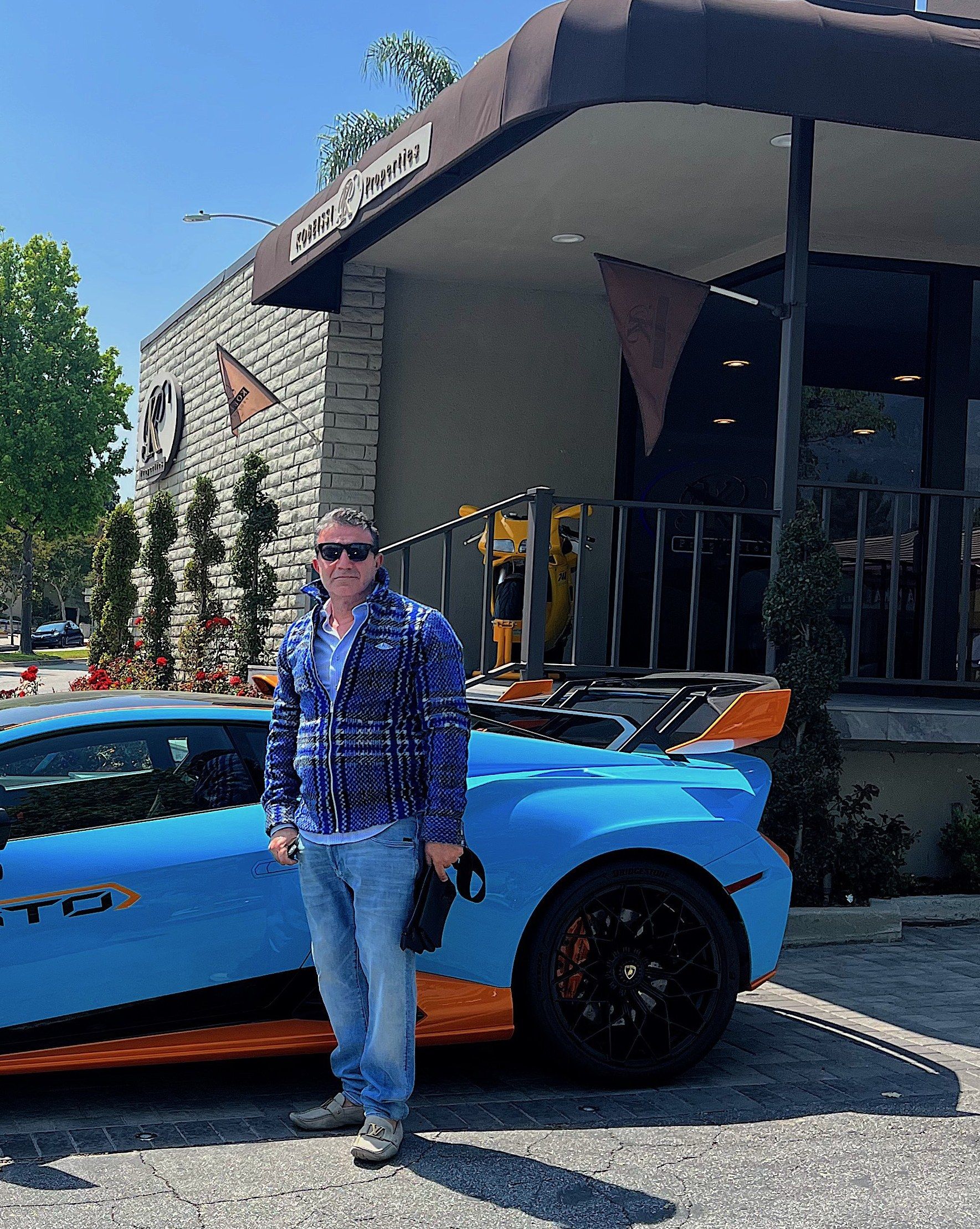
The office was designed with a Mediterranean influence and holds artwork, wood furniture, lounge seating and cars from his collection. He hosts Cars and Coffee gatherings there, the informal Saturday morning car meetings described on the interests page.
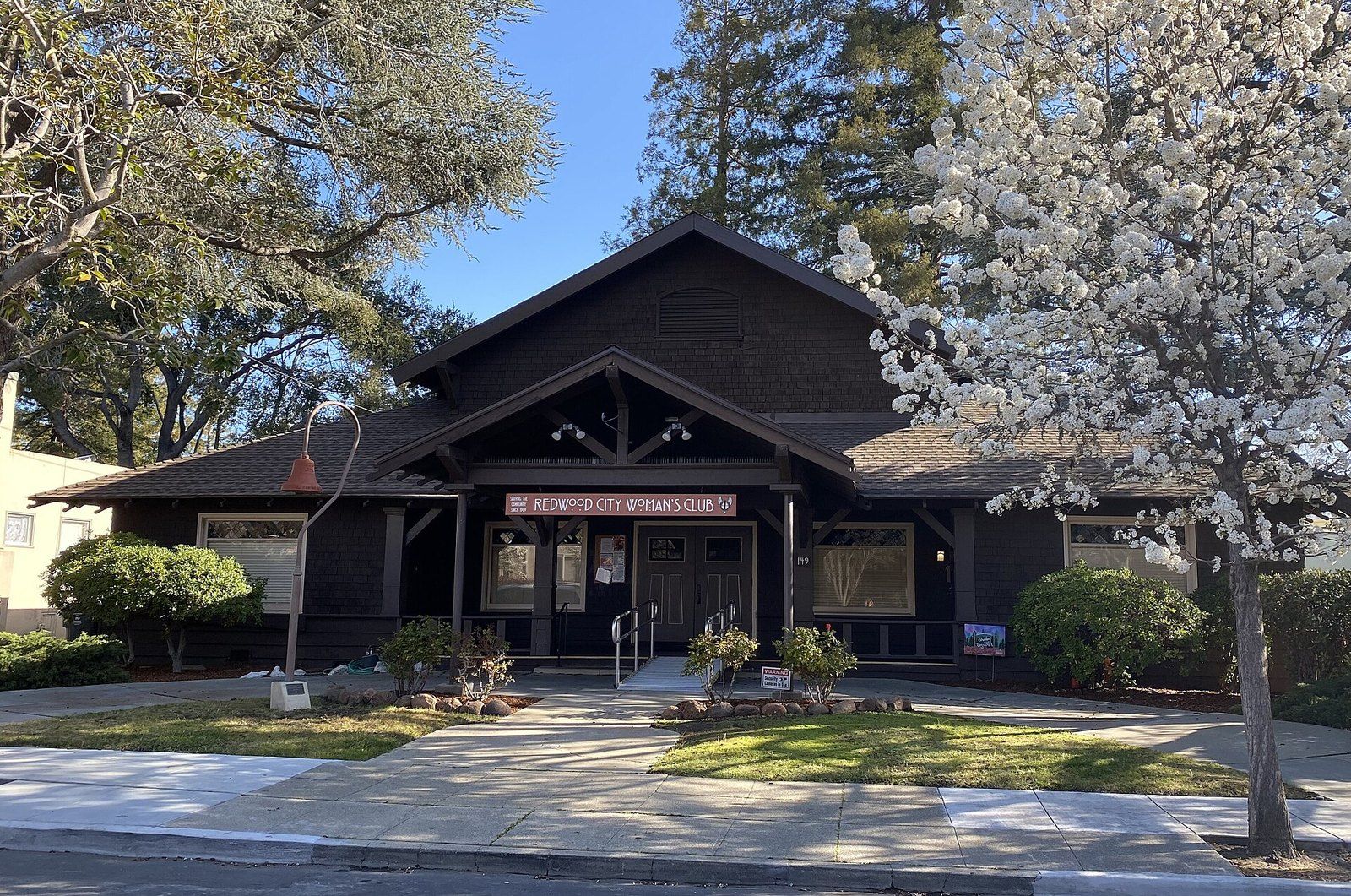
He takes part in La Cañada Flintridge Chamber of Commerce events. The institution is an old one: a study in the Business History Review traces associations of merchants back at least to Roman times, dates the first body to carry the name chamber of commerce to Marseilles in 1599, and identifies the Chamber of Commerce of the State of New York as the first such association in America.6 The entry on service clubs and civic life covers civic organizations more broadly.
References
- Brookings Institution. Competition in the real estate brokerage industry: A critical review, March 9, 2022.
- National Association of Realtors. Consumer Guide: Staging Your House for a Sale, 2026.
- U.S. Census Bureau. New Data on Detailed Languages Spoken at Home and the Ability to Speak English, June 3, 2025.
- The Washington Post. A foreign buyer brings complications to a real estate deal, November 20, 2015.
- Internal Revenue Service. About Form 8288, U.S. Withholding Tax Return for Certain Dispositions by Foreign Persons.
- Business History Review, Cambridge University Press. The First Chamber of Commerce in the United States, 1947.
External links
See also
-
 Encyclopedia
Biography of Mike Kobeissi
A grocery job, a mentor, a firm of his own and a historic house, told in order beside the history of Lebanon and of the foothill town.
-
 Design and Renovation
Home Staging
Editing, furnishing and photographing a house for visitors, with the survey numbers agents cite about it.
-
 How Homes Change Hands
International Buyers in US Housing
A yearly survey of foreign home purchases, the dollar and travel forces behind it, and the withholding rule on foreign sellers.
-
 Community and Civic Life
Service Clubs and Civic Life
The weekly lunch club, from Paul Harris in Chicago to a Kiwanis installation in the foothills, and the numbers behind its long slide.
-
 Encyclopedia
Interests of Mike Kobeissi
Collector cars and Saturday morning car meetings, and the Southern California history that both grow out of.
-
 Encyclopedia
The City of La Cañada Flintridge
A Spanish land grant, a valley of health seekers, a senator's hillside development and a vote for cityhood, with the gardens and mountains around them.