
The Ranchos of the Crescenta Valley
Contents
The La Cañada Flintridge market, which Mike Kobeissi has worked for three decades, is often said to sit on what was once a single Spanish rancho. The belief is half right. The broad grant made to the Verdugo family did reach this far, and its name stuck to the place, but the valley floor passed through a second rancho, a pair of Michigan buyers, a doctor with a subdivision plan and a senator with another before it became one city. Each sale drew a line, and later buyers tended to cut along the lines already drawn.
Rancho San Rafael and the Verdugo grant
The first line was drawn in 1784. The California ranchos fact card for San Rafael records that Governor Pedro Fages gave Corporal José María Verdugo, a soldier who had come north with the expedition of 1769, a land use permit for a triangle of 36,403 acres, the second great Spanish grant to an individual in California. Its southern tip sat where the Arroyo Seco meets the Los Angeles River, and Governor Diego de Borica confirmed it in 1798.1 The rancho was also called La Zanja, after its irrigation ditch, and PBS SoCal’s history of the grant adds that it was then home to Hahamog’na people from the Arroyo, whom Verdugo was required to look after as a condition of the gift.2 Their earlier world is the subject of the Tongva and the Arroyo Seco.
Cattle, padres and the Verdugo heirs
Verdugo stayed in the army for thirteen more years while his brother ran the ranch, built a house and planted a vineyard. The padres of Mission San Gabriel resented private grants, and when mission sheep grazed his pasture the governor had the pueblo’s mayor survey the rancho and fix its boundaries, an early case of a line on this land fixed by measurement.1 The herds grew large; by 1817, the PBS SoCal account says, Verdugo ran 1,800 head of cattle and hundreds of horses and mules, and the numbers doubled by 1829.2 After his death in 1831 the rancho passed jointly to his son Julio and his daughter Catalina, who later divided it, Catalina taking the northern part that became Glendale and Eagle Rock. She was blind by then and lived on her share until 1861; the adobe built for her in the 1830s survives inside Glendale as California Historical Landmark No. 637.1
The Verdugo grant, from permit to patent
- 1784Governor Pedro Fages grants Corporal José María Verdugo a land use permit of 36,403 acres.
- 1798Governor Diego de Borica confirms the grant.
- 1831Verdugo dies; his son Julio and daughter Catalina hold the rancho jointly, later dividing it.
- 1870The rancho is broken into 31 parcels among 28 people.
- 1882The U.S. Land Commission confirms 36,403 acres to the Verdugo family.
The Land Commission and the sale of 1869
American rule changed the terms. After the treaty of Guadalupe Hidalgo, a federal land commission reviewed every Spanish and Mexican claim, and Julio and Catalina had to prove their title; the patent did not arrive until 1882. By then drought and an expensive way of life had led the family to mortgage the land, and they lost it to the bank. On March 8, 1869, the rancho was auctioned to Alfred B. Chapman, who with Andrew Glassell subdivided it into Highland Park, one of the early suburbs of Los Angeles.2 The American Camellia Society’s history of the Descanso site calls the 1869 sale the start of a long run of buying, selling and subdividing thousands of acres, a run that skipped the bowl in the San Rafael Hills now occupied by Descanso Gardens.6
Rancho La Cañada and the health seekers
The upper valley carried its own name. In 1875 two Michigan men, Colonel Adolphus W. Williams and the dentist Jacob Lanterman, came west for their health and bought it outright. The Lanterman House founders gallery gives the purchase as the 5,832 acres of Rancho La Cañada; Williams died soon after, and his share was divided among his widow and children.3 A local historian writing in the Crescenta Valley Weekly rounds the figure to nearly 6,000 acres and notes that the buyers kept the name the previous Mexican owner had given the rancho.5 Water decided what the acreage was worth. Theodor Pickens had farmed and kept bees in Pickens Canyon from about 1871, Ammoretta Lanterman bought water rights from him in 1878, and Ralph Moses later served as zanjero, patrolling the valley six days a week to deliver each shareholder’s allotment.3
Acres in the La Cañada Valley purchases
Briggs, Crescenta and Montrose
The next line ran down the middle. Dr. Benjamin Briggs reached Los Angeles in 1882, during the land boom set off when the railroads arrived two years earlier, and bought up the western half of the valley, 2,500 acres then known as Big Rocks, which he cut into ten acre parcels. He began selling in 1884 under the name Crescenta, taken from the crescent shapes the mountains made against the sky; the post office later added La. Briggs had come hoping to open a hospital for lung patients and died in 1893 without building it, but the tract gained a church, a hotel and a general store.5 The second Treasures of the Valley column, on the valley’s name origins, confirms that the Briggs tract was the western half of the Williams and Lanterman land.4 Below it, commercial Montrose traces its start to a 300 acre land auction on Washington’s Birthday, February 22, 1913, as a Glendale history letter in the Los Angeles Times recounts.9
Flintridge and the lines that became a city
The southern edge went to Senator Frank Flint, who bought the lower part of the La Cañada Valley in the 1910s and built a community there; Flintridge and La Cañada stayed separate until they merged in 1976.4 The Los Angeles Almanac traces the town’s name to a post office of about 1890 named for the land grant, Spanish for valley or glen, and says Flint chose the final name when the land was subdivided in 1920. The merged city incorporated on December 8, 1976, and covers about 8.6 square miles of the old grant country.7 According to the Online Archive of California’s guide to the Lanterman House collection, the Lantermans and Flint both held large tracts that were subdivided into what is now La Cañada Flintridge, and Flint’s subdivision, built out through the twenties and into the early thirties, drew architects such as Myron Hunt, Paul R. Williams and Wallace Neff.8
Grant lines are where a title history starts, not where it ends, so tracing the record of one particular parcel is work for a title officer and whoever else advises its owner.
A short glossary
- Rancho. A large Spanish or Mexican grant for grazing; the Verdugo grant began as a land use permit rather than outright ownership.1
- Cañada. Spanish for a valley between two mountains, the word Verdugo is said to have used for the northern part of his grant.4
- Zanja and zanjero. The ditch that brought river water, which gave San Rafael its other name, and the water master who rationed the canyon flow.1 3
- Patent. The United States title issued once the land commission accepted a claim; the Verdugo heirs waited until 1882.2
- Tract. A parcel of land subdivided and sold as lots, such as the Briggs tract of ten acre parcels with its forty acre town site.5
References
- California Fact Cards. California Ranchos, Rancho San Rafael.
- PBS SoCal. Rancho San Rafael: A Land in Transition, 2010 10 05.
- Lanterman House. Founders gallery, 2025 01 31.
- Crescenta Valley Weekly. Treasures of the Valley: Name Origins, Crescenta, Montrose and More, 2023 10 05.
- Crescenta Valley Weekly. Treasures of the Valley: Happy Birthday, La Crescenta, 2019 09 19.
- American Camellia Society. Descanso Gardens, La Cañada Flintridge, California, 2019 01 01.
- Los Angeles Almanac. City of La Cañada Flintridge, 2025 01 01.
- Online Archive of California. La Cañada Flintridge Historical Buildings Collection, 1910 to 2017, 2025 12 02.
- Los Angeles Times. History parks itself in Montrose Shopping Park, 2005 07 19.
External links
See also
-
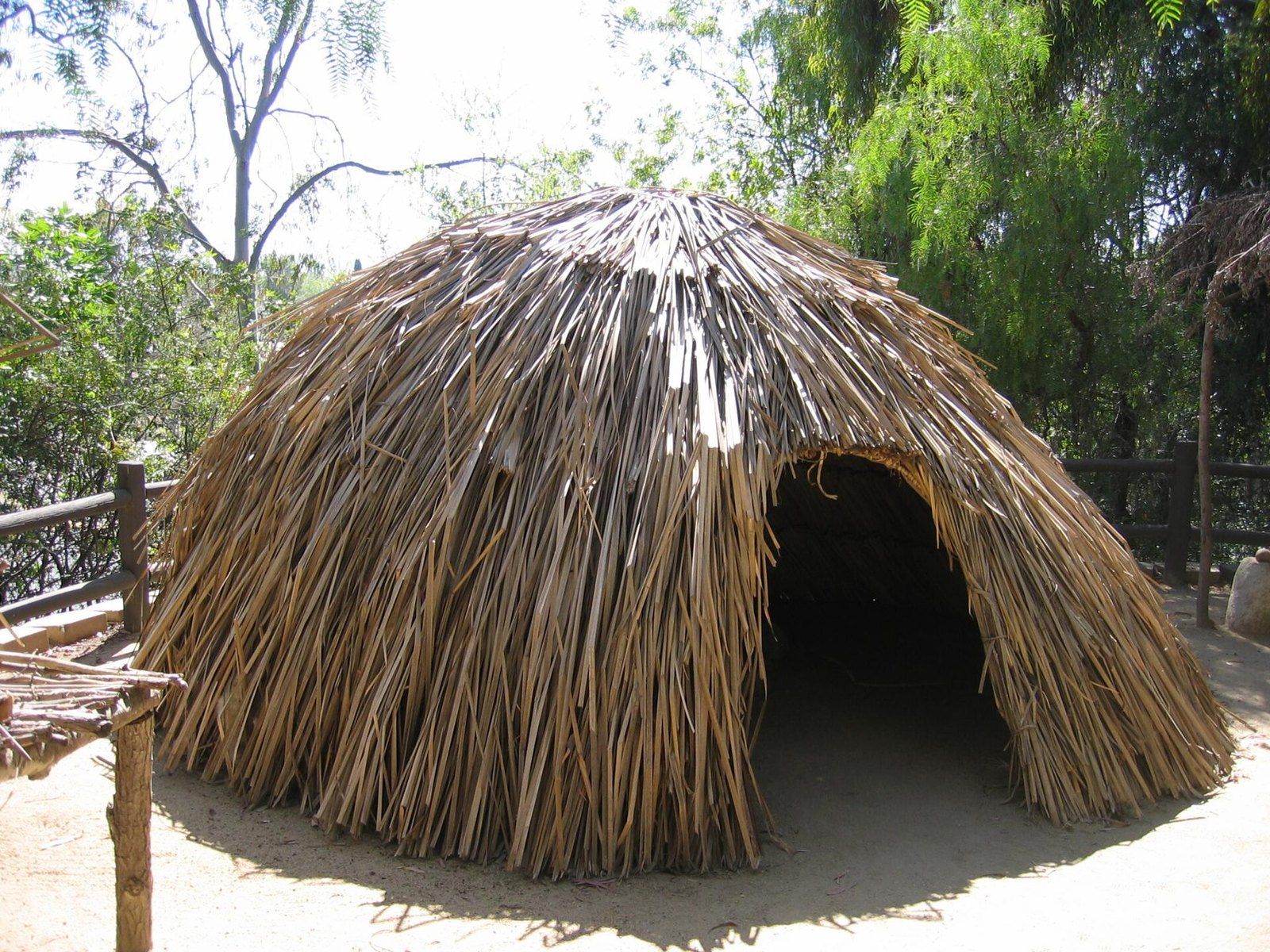 La Cañada Flintridge History
The Tongva and the Arroyo Seco
Tovaangar's villages, trails and acorn economy left traces that still frame what is known of the foothills.
-
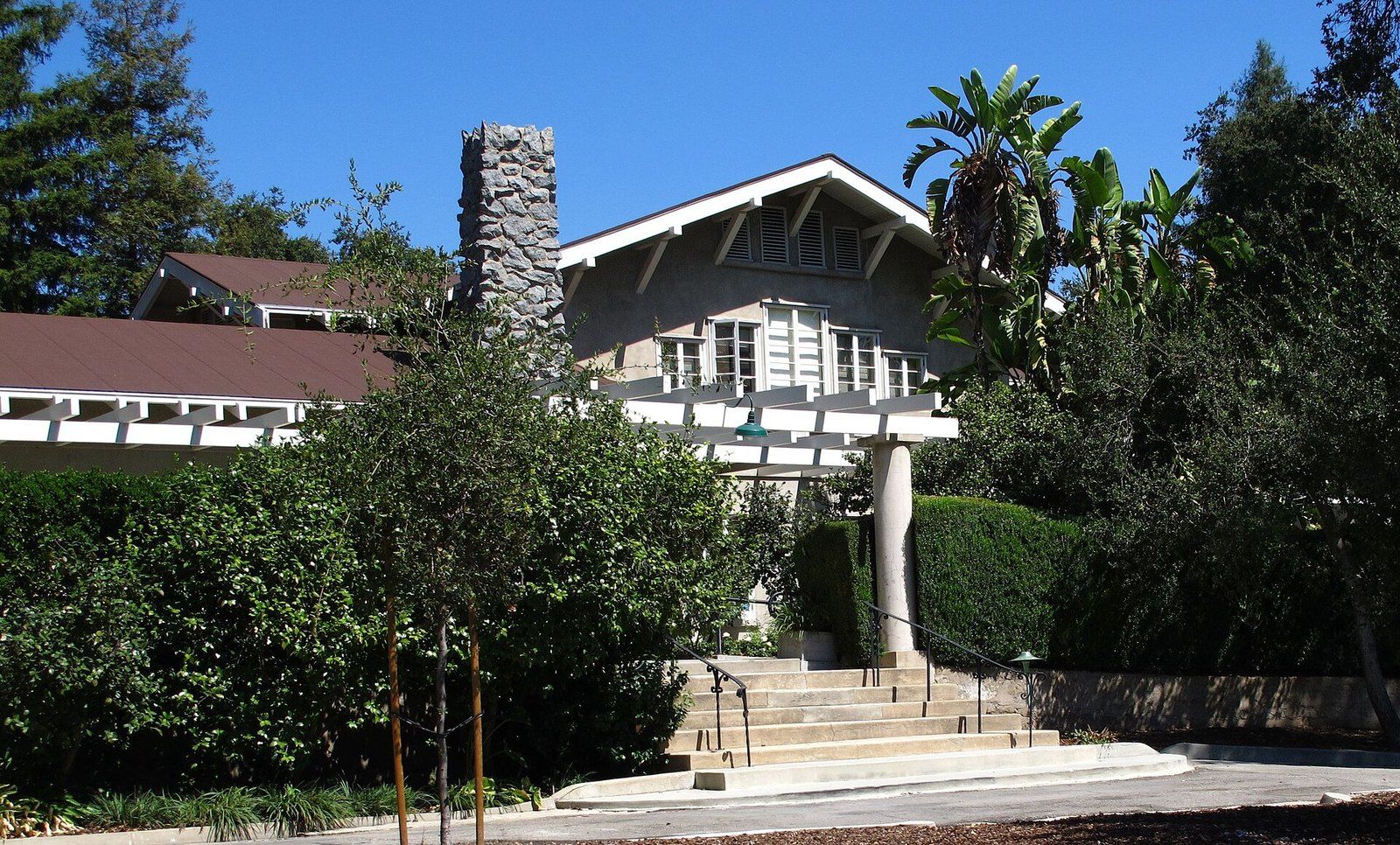 La Cañada Flintridge History
Lanterman House
A doctor's family home, a ballroom that waited decades for a dance, and the archive the town keeps inside its walls.
-
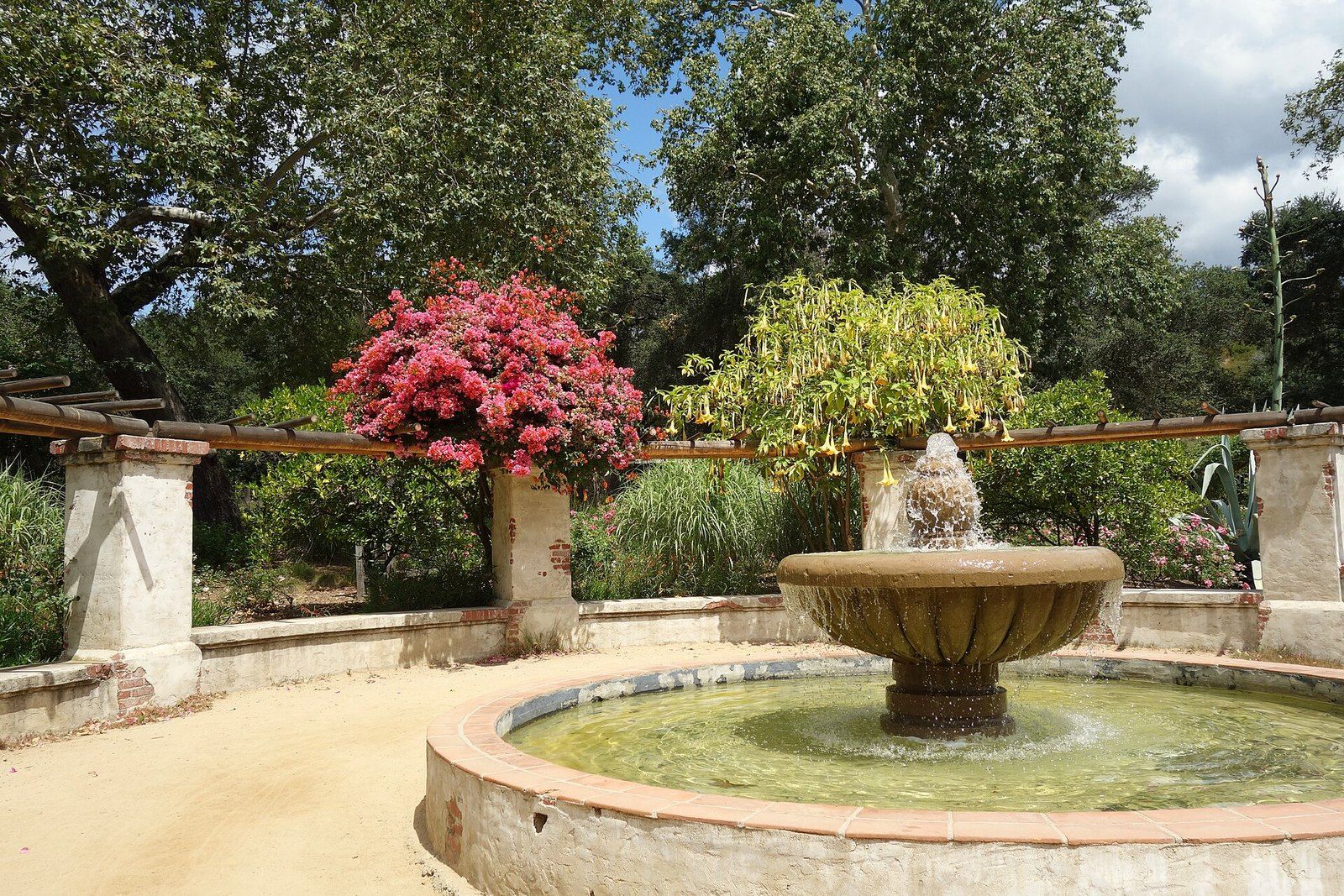 La Cañada Flintridge History
Descanso Gardens
A publisher's camellia estate under coast live oaks that the county bought and a guild turned into a garden of rooms.
-
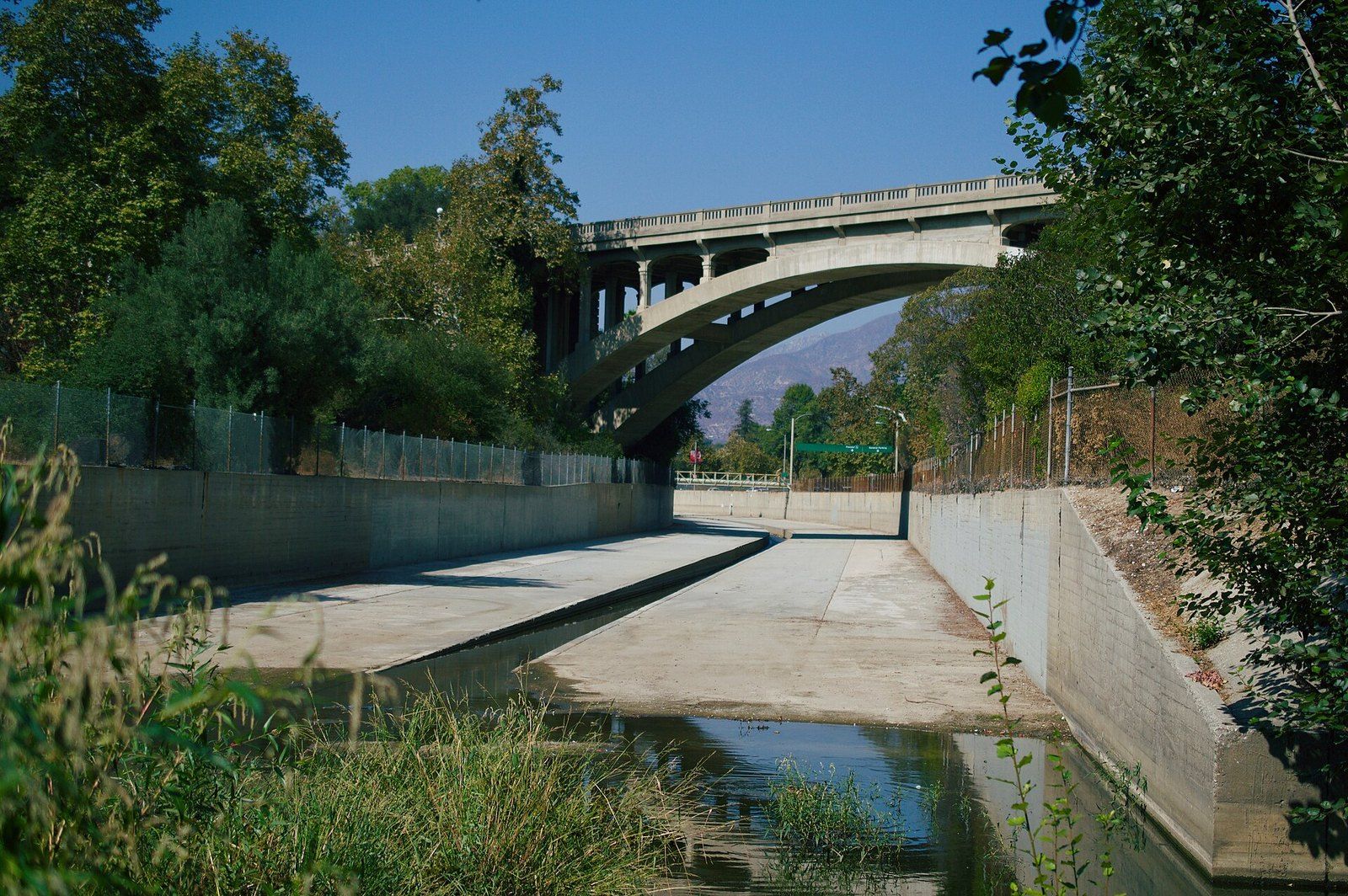 La Cañada Flintridge History
The Arroyo Seco
A seasonal stream that fed trail camps and painters, was poured into concrete in the Depression, and is now argued over again.
-
 Architects of the Foothills
Myron Hunt
A Massachusetts born designer who settled in Pasadena in 1903 and left a villa, a stadium, campuses and a Riverside hotel wing.