
Old Houses and Preservation
The work of Mike Kobeissi covers remodeling and building as well as buying and selling, with guidance on design, renovation and staging, and this index takes up what that guidance meets when a house is old: how preservation is organized, how repairs are judged and which original materials are worth keeping.
Cities set the first rules. Pasadena’s historic preservation program is a regional example: it promotes the identification, evaluation, rehabilitation, adaptive use and restoration of historic structures, requires a Certificate of Appropriateness for new construction, alterations, additions, relocations or demolitions within a historic site or district, and has surveyed the buildings put up across the city between 1935 and 1965.1
Designation is not the strongest protection. The Los Angeles Conservancy explains that a conservation easement, recorded on the title and binding every later owner, holds more firmly than landmark status, since many local ordinances can only delay a demolition. The holder of the easement reviews proposed changes against the Secretary of the Interior’s Standards for Rehabilitation, and the Conservancy has accepted easements since 1981.2 Keeping old fabric also has an energy argument. The National Trust for Historic Preservation repeats the architect Carl Elefante’s point that the greenest building is one already standing, and advises owners to weatherstrip historic windows or add storm windows rather than replace them, since old growth wood outlasts new lumber, and to insulate attics and crawl spaces while leaving historic walls free to breathe.3
Eight entries cover the rules, the materials and the research. On the rules: The National Register of Historic Places and The Secretary of the Interior’s Standards. On materials: Historic Wood Windows, Clay Tile Roofs, Terrazzo, Lath and Plaster and Adobe Construction. On research: Researching a House History.
- City of Pasadena, Historic Preservation
- Los Angeles Conservancy, Easements Demystified
- National Trust for Historic Preservation, 8 Ways to Green Your Historic House
Entries in this subject
-
 Old Houses and Preservation
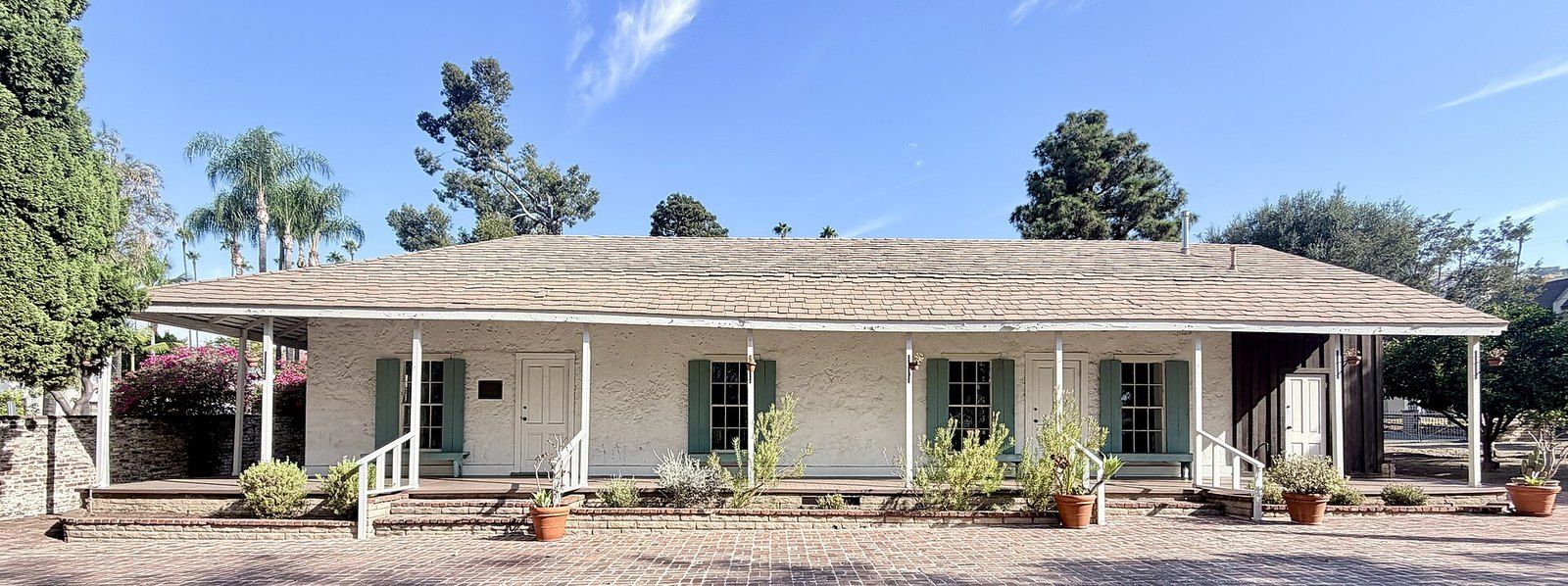
Adobe Construction
Earth, water and sun shaped into blocks, the building method behind the rancho houses of early California.
-
 Old Houses and Preservation
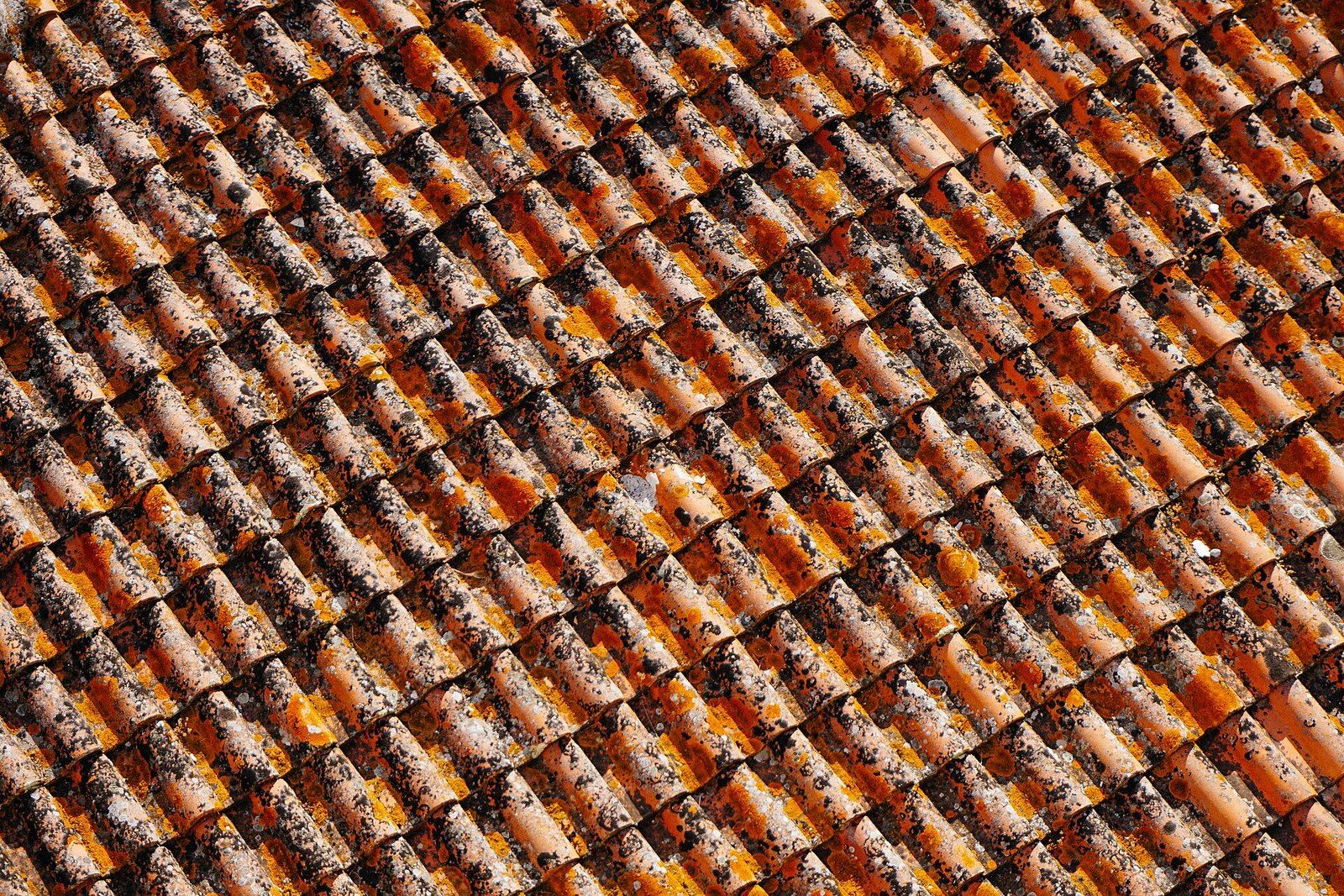
Clay Tile Roofs
Kiln baked earth laid in overlapping courses, one of the longest lived coverings a house can carry.
-
 Old Houses and Preservation
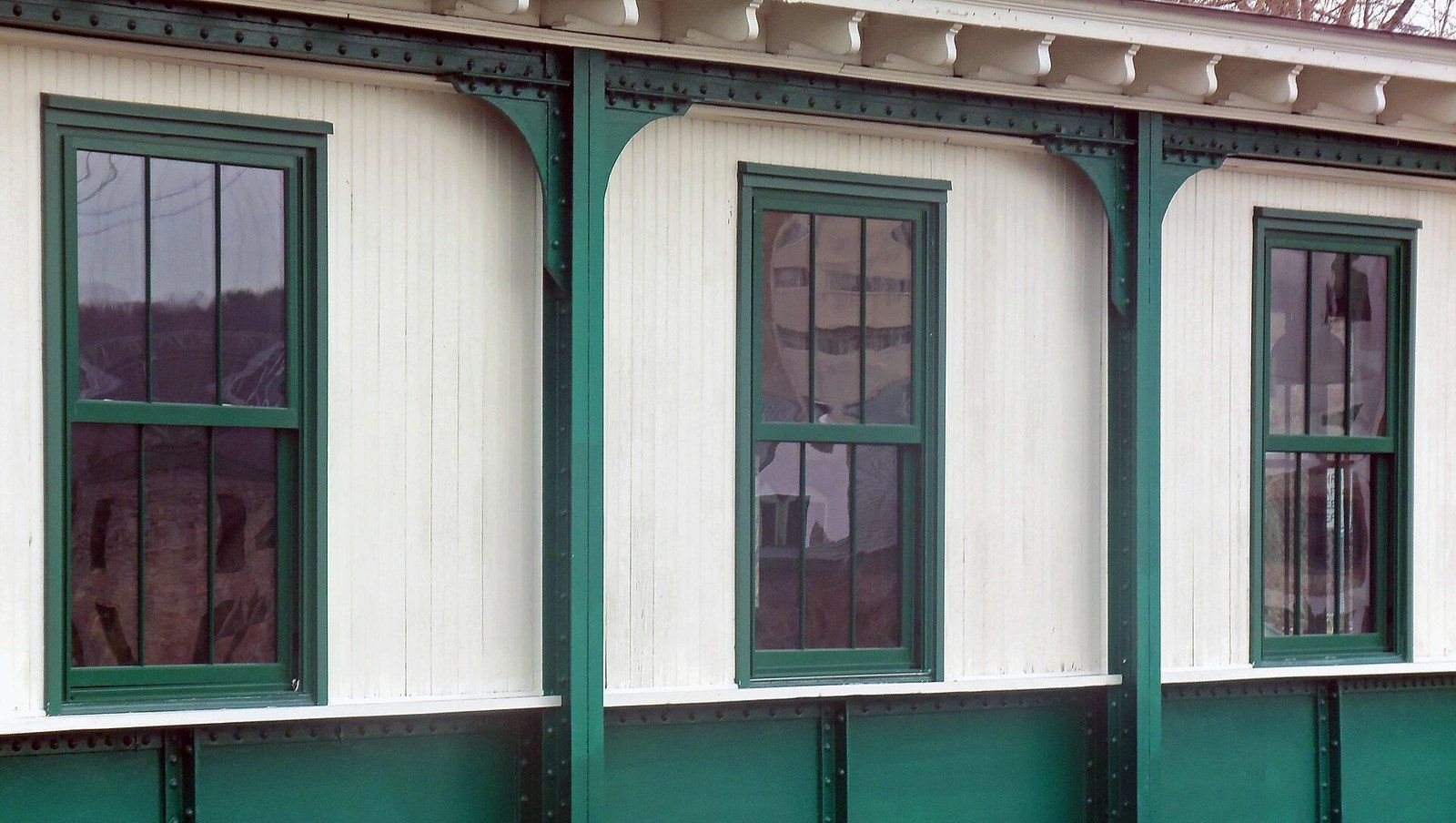
Historic Wood Windows
Rope, pulley and dense lumber: the case for mending original sash rather than tearing it out.
-
 Old Houses and Preservation
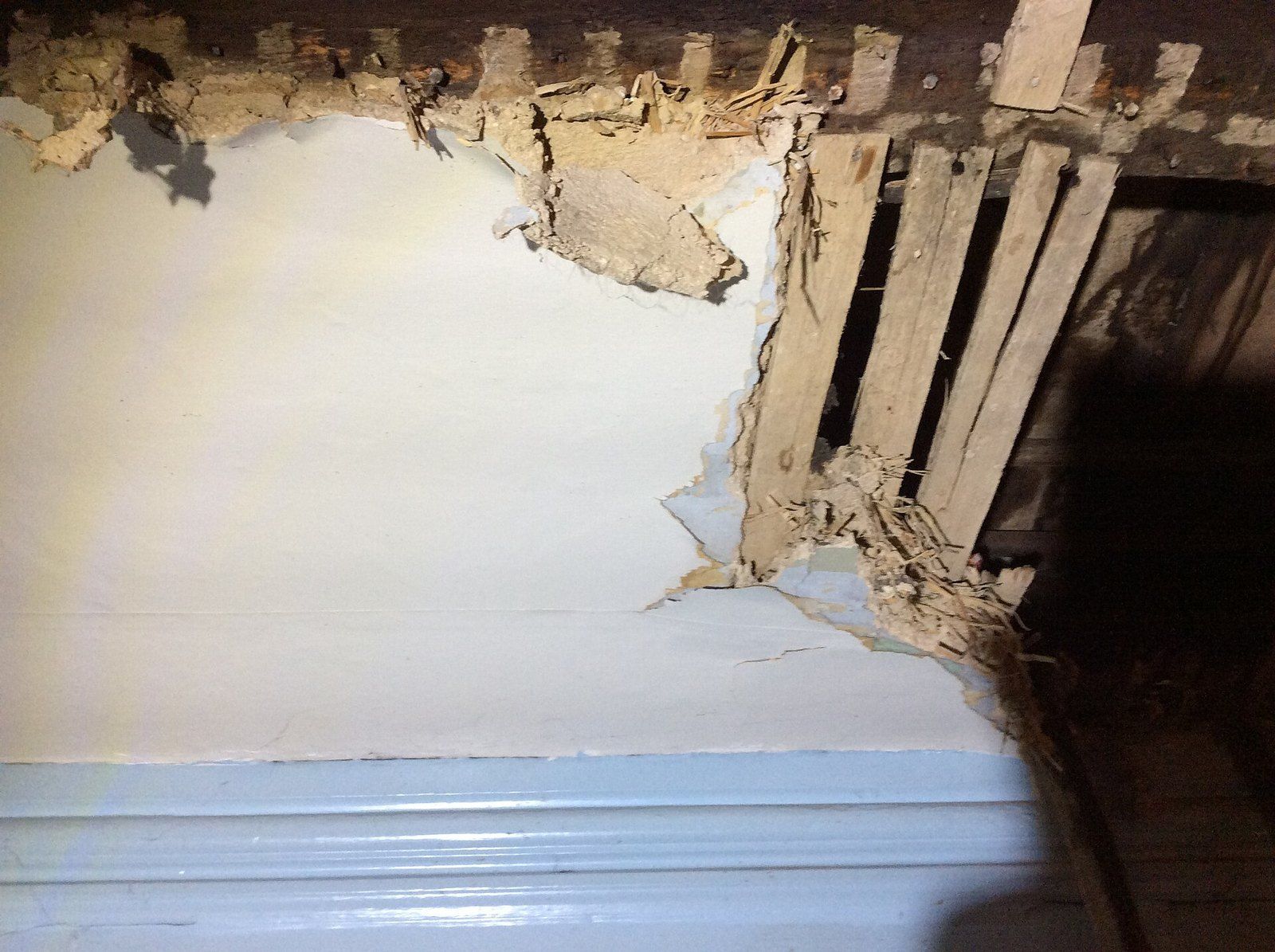
Lath and Plaster
Wet coats troweled over wooden strips, the wall system that came before the factory made panel.
-
 Old Houses and Preservation
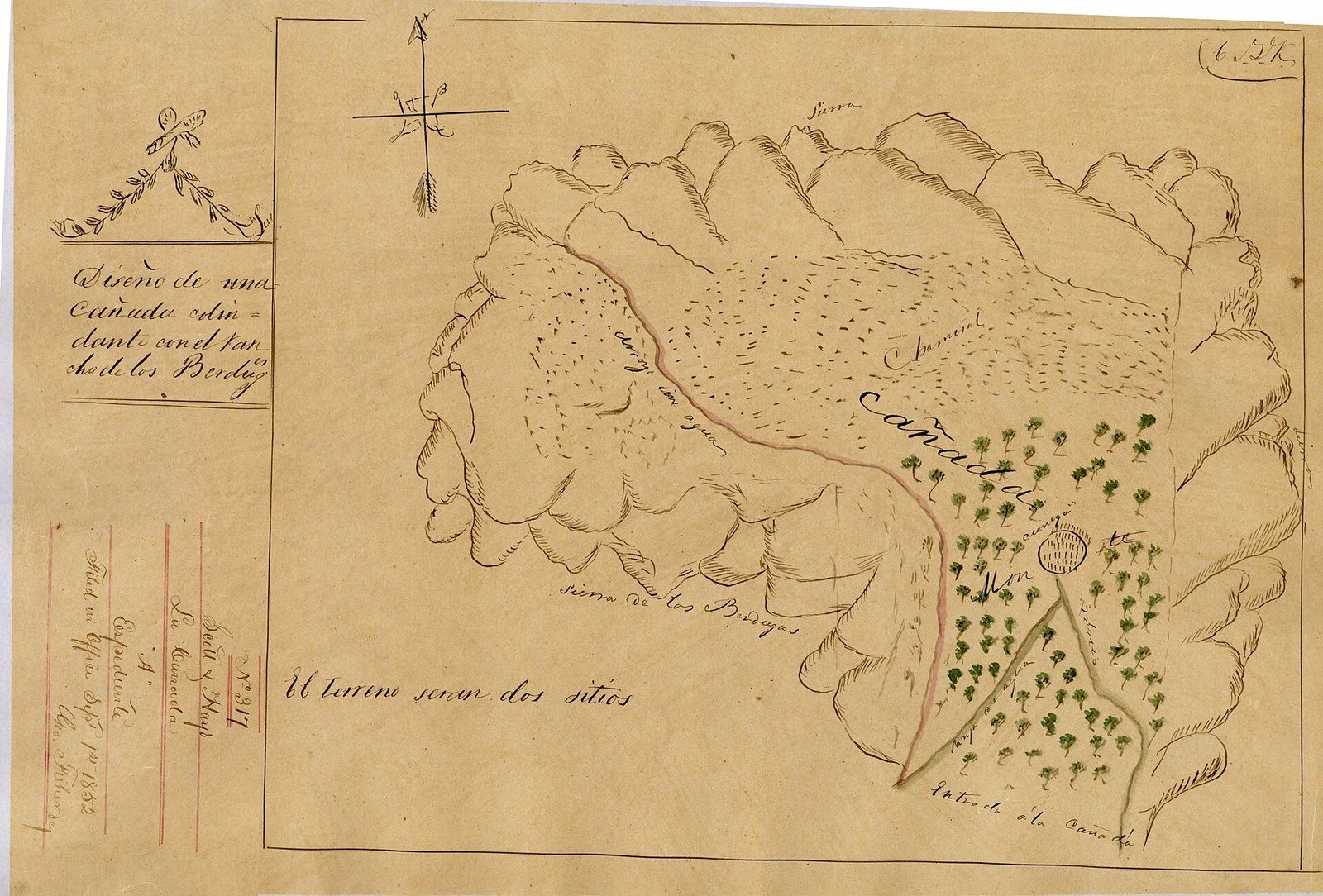
Researching a House History
Permits, survey files and old photographs in public archives can rebuild the story of almost any older building.
-
 Old Houses and Preservation
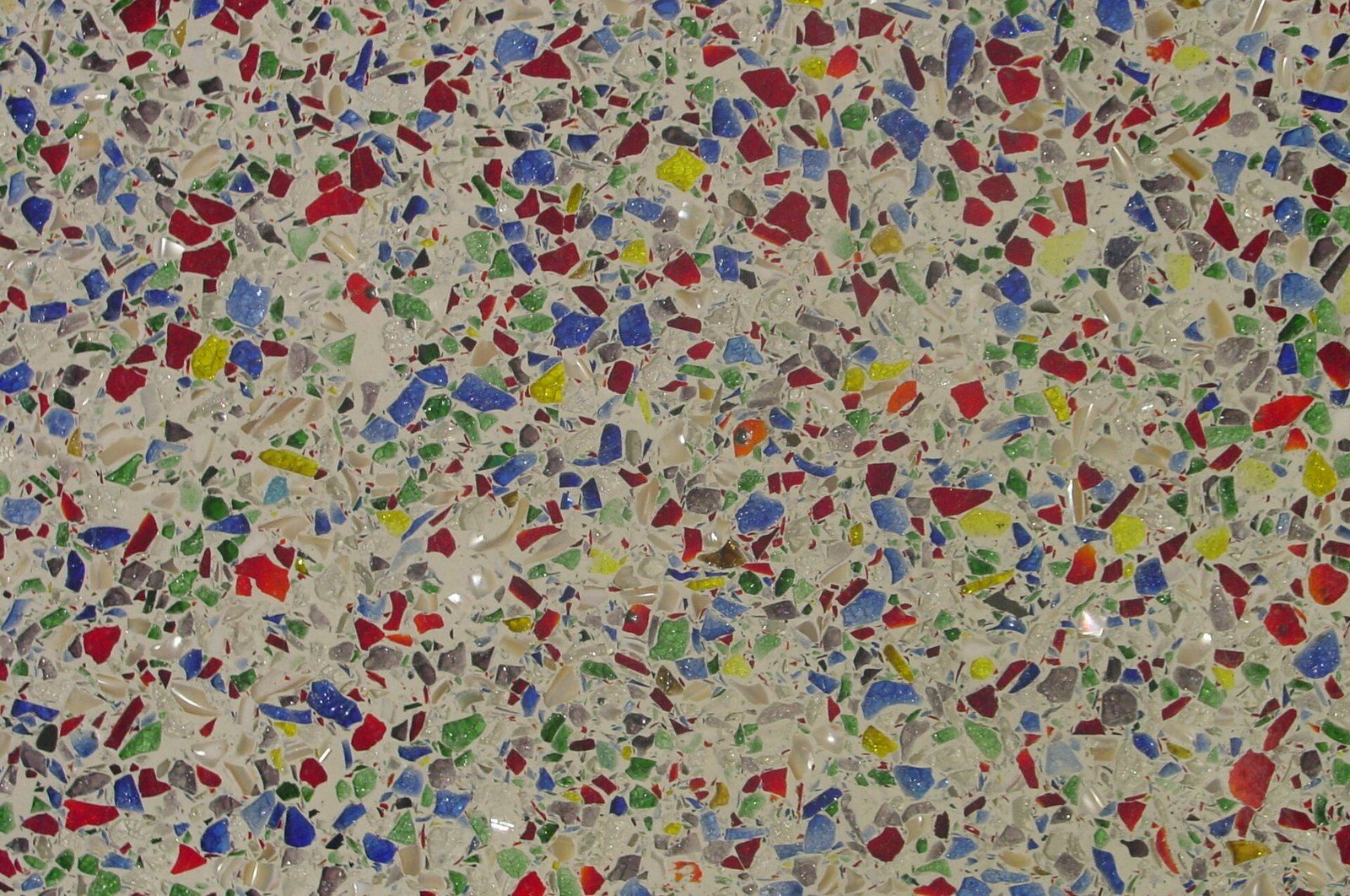
Terrazzo
Chips of stone set in a binder and ground smooth, a craft that travelled from Venetian terraces to postwar lobbies.
-
 Old Houses and Preservation
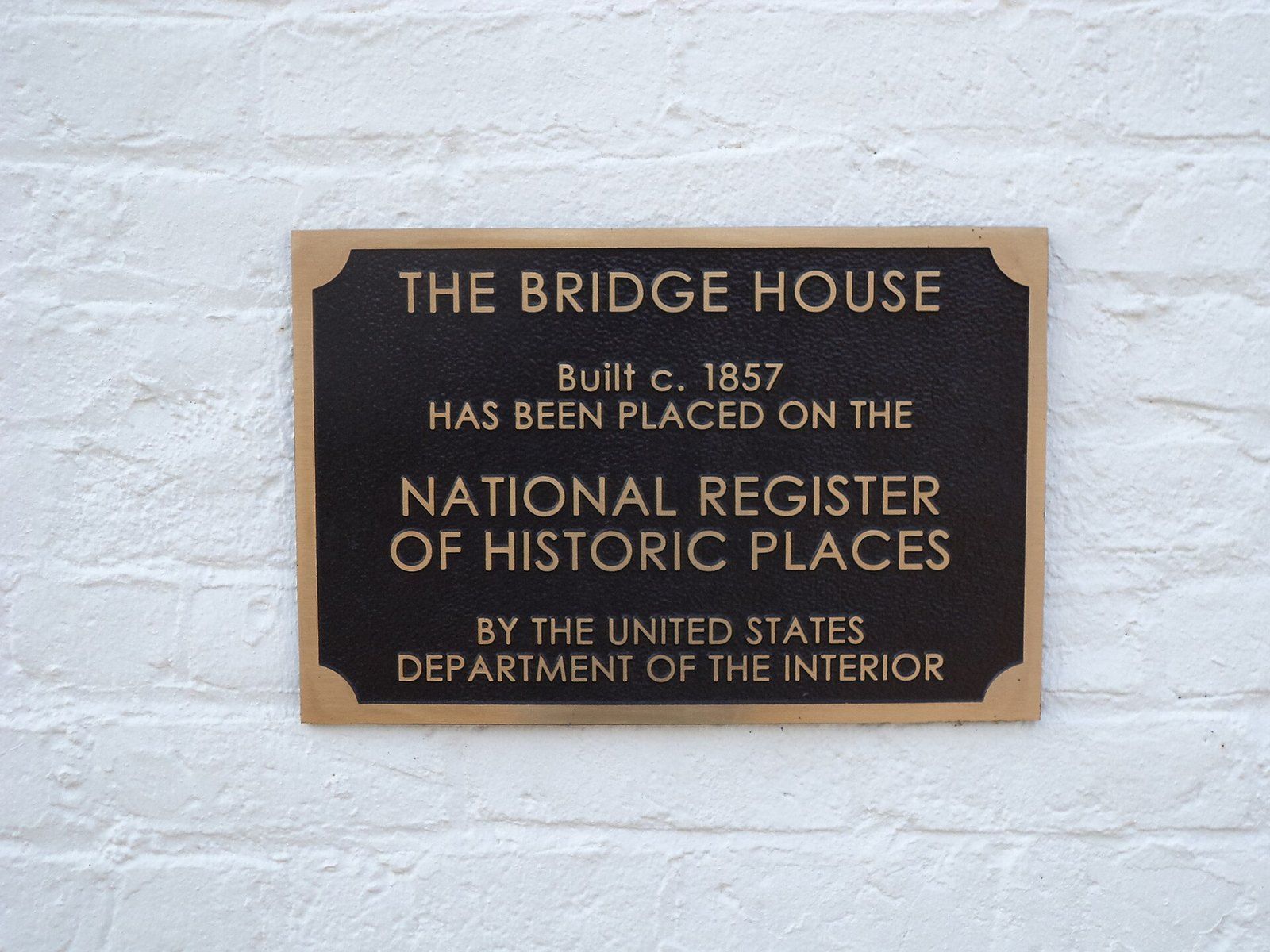
The National Register of Historic Places
The federal roll of places judged worthy of keeping, and the incentives that follow a listing.
-
 Old Houses and Preservation
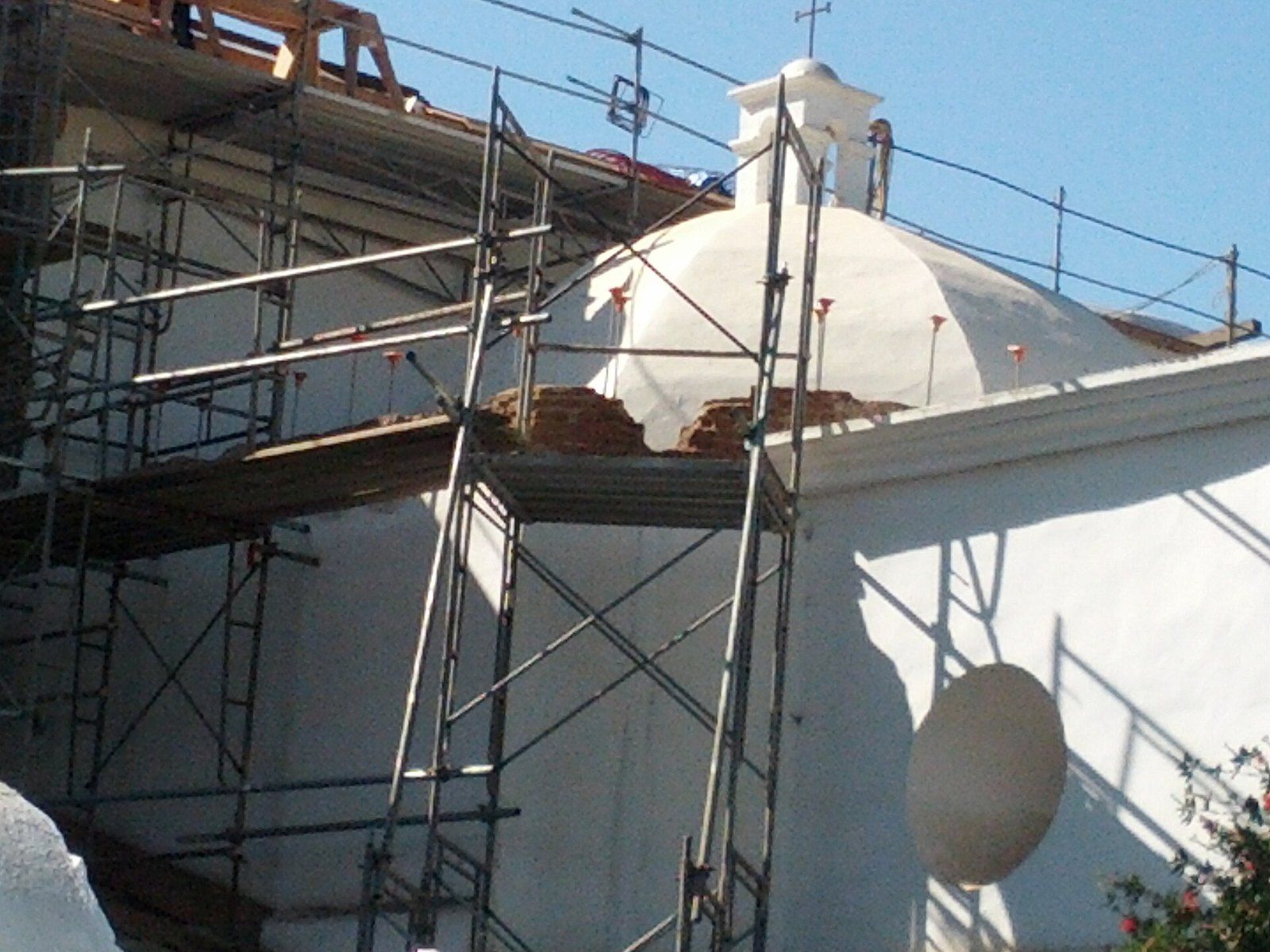
The Secretary of the Interior's Standards
A short federal text that shapes how old buildings across the country are repaired, altered and added to.