
Researching a House History
Contents
One question runs under every part of what Mike Kobeissi’s work covers, remodeling and buying, building and selling, with guidance on design, on renovation and on staging: what a house has been before. A common belief holds that the answer is mostly gone. Unless an earlier owner kept a box of papers, the thinking goes, the builder, the original plan and the people who lived there have slipped out of reach, and what survives is guesswork from the style. There is something to this. Few ordinary houses have a written biography, and records are scattered. But the scattering is the point. The Library of Congress house history guide lists primary sources from deeds to directories, manuscripts to maps and photographs to floor plans, and treats the work as close kin to genealogy.1
Start with what is known
The guide’s first advice is to write down what is already known, then list the questions to answer. Research can begin with the building or with the people, and the two paths will meet, because people built the house and changed it over time.1 National collections can fill gaps once the questions are clear. The Library holds one of the largest collections of published local histories in the world, and its photograph and map divisions cover states, counties, towns and even individual buildings.1
Starting a house history
- InventoryWrite down what is already known about the building.
- QuestionsList what you want to ask and answer.
- Choose a pathBegin with the building itself or with the people who lived there; the two paths will cross.
- Go localExpect deeds, permits and tax assessments in local offices, and several repositories in all.
Local records come first
National collections help, but the core records are local. The Library of Congress notes that deeds, building permits and tax assessments sit in state, county and city offices, local libraries and historical societies, and that a house history will almost certainly involve several repositories.1 Permit files show what a city keeps. The Los Angeles Department of Building and Safety offers online building permits from 1905, certificates of occupancy from 1940, plot plans and approved building plans for the City of Los Angeles; each other city keeps its own.4 The same service lists electrical, plumbing and mechanical records for 1985 to 1990 and from 1996 on, notes that blueprint copies carry special requirements, and points to its Atlas map, which finds parcels by address or legal description and opens their permit and occupancy history.4
Maps and aerial photographs
Maps place a house in time. The California State University, Northridge research guide points to historical aerial photographs and Sanborn maps at its Map Library, viewable in person.6 Comparing a footprint across editions shows when a wing or garage appeared. The same library’s Urban Archives hold records of local oral history projects and civic and cultural organizations, open by appointment, which can supply the names behind an address.6
Photograph collections
Local photo archives can be unusually specific. The Online Archive of California describes the La Cañada Flintridge Historical Buildings Collection held at the Lanterman House: six boxes of images dated 1910 to 2017, stereographs and picture postcards among them, arranged alphabetically and then numerically by street address.5 Press images from the Flintridge development of the 1920s and early 1930s record work by Myron Hunt, Paul R. Williams, Wallace Neff and others, and a camera survey of older homes made in the 1990s adds a later layer; the archive asks visitors to make contact at least one week in advance.5
The same finding aid sketches the town’s background, which frames any single house in it. La Cañada was founded in the early 1870s by homesteaders and health seekers, Flintridge grew from Frank Putnam Flint’s development, and the two communities incorporated together in 1976; the city bought the Lanterman papers and furnishings in 1987.5
The federal building surveys
- measured drawings, large format photographs and written histories
- 581,000+
- historic structures and sites recorded
- 43,000+
- year the buildings survey became a permanent Park Service program
- 1934
Digital libraries
Some of this material is online. The San Fernando Valley History Digital Library, conceived in 2000, gathers photographs, maps and manuscripts from campus collections and fourteen local historical societies, covering the early nineteenth century through the end of the twentieth.7 Staff borrowed, scanned and cataloged objects over one year, from October 2000 to September 2001, to state library scanning standards, and the library describes its archival holdings as the largest and most complete assembly of information on the valley.7
Surveys and Register files
Architectural surveys are another layer. The Library of Congress survey guide highlights the Historic American Buildings Survey and its companions, with more than 581,000 measured drawings, photographs and histories for over 43,000 structures, and HistoricPlacesLA, an online inventory of the City of Los Angeles.2 It adds that states and many smaller localities keep their own surveys and designation lists, usually found online by searching a place name with the words historic preservation, and that every state has a historic preservation office able to explain how its registers work.2 For a listed building or its neighbors, a National Register nomination may already hold the story: the National Park Service explains that each file includes a registration form with a physical description, history and bibliography, plus photographs and maps, held at the National Archives through 2012 and posted to NPGallery since 2013.3
Two levels of historic resource survey
| Reconnaissance survey | Intensive survey | |
|---|---|---|
| When used | Little is known about an area | Promising resources have been found |
| Aim | Find the extent and locations of property types | Document and evaluate in detail |
| Basis | A historic context statement | The context plus individual research |
Historic contexts
Surveys depend on context. California’s Office of Historic Preservation describes historic context statements built on themes, a geographic area and periods of significance, which identify property types and set integrity thresholds so resources can be judged without researching every parcel. Where little is known, a reconnaissance survey comes first, followed by intensive work on promising finds; results feed the statewide Historical Resources Inventory.8 Surveys follow National Register Bulletin 24 and record each resource on standard state forms, so the findings for one street can be compared with another.8 A context explains why a house matters; physical evidence such as lath and plaster or original wood windows helps date it.
None of this research replaces a title review, an inspection or the owner’s own advisors when a decision about a specific property is at hand. What comes next is more coverage. The state office says surveys more than five years old should be updated to include places that have since gained significance and to record what has been moved or demolished, and older surveys judged mainly on architecture should be reevaluated in broader contexts.8 The Park Service continues posting recent nominations, and the Northridge library is seeking funding to extend its project.37 Each addition makes the past of a house a little less lost.
References
- Library of Congress. House History: A Guide to Uncovering the Stories of Local Buildings and Properties: Introduction, 2021 03 29.
- Library of Congress. House History: Surveys and Historic Designations, 2021 03 29.
- National Park Service. National Register Database and Research, 2026 06 04.
- Los Angeles Department of Building and Safety. Search Online Building Records, 2014 01 01.
- Online Archive of California. La Cañada Flintridge Historical Buildings Collection, 1910 to 2017, 2025 12 02.
- California State University, Northridge, University Library. Los Angeles and the San Fernando Valley: History, 2017 08 14.
- California State University, Northridge, University Library. History of the San Fernando Valley History Digital Library, 2025 02 20.
- California Office of Historic Preservation. Historic Contexts and Resource Surveys, 2026 01 01.
External links
See also
-
 Old Houses and Preservation
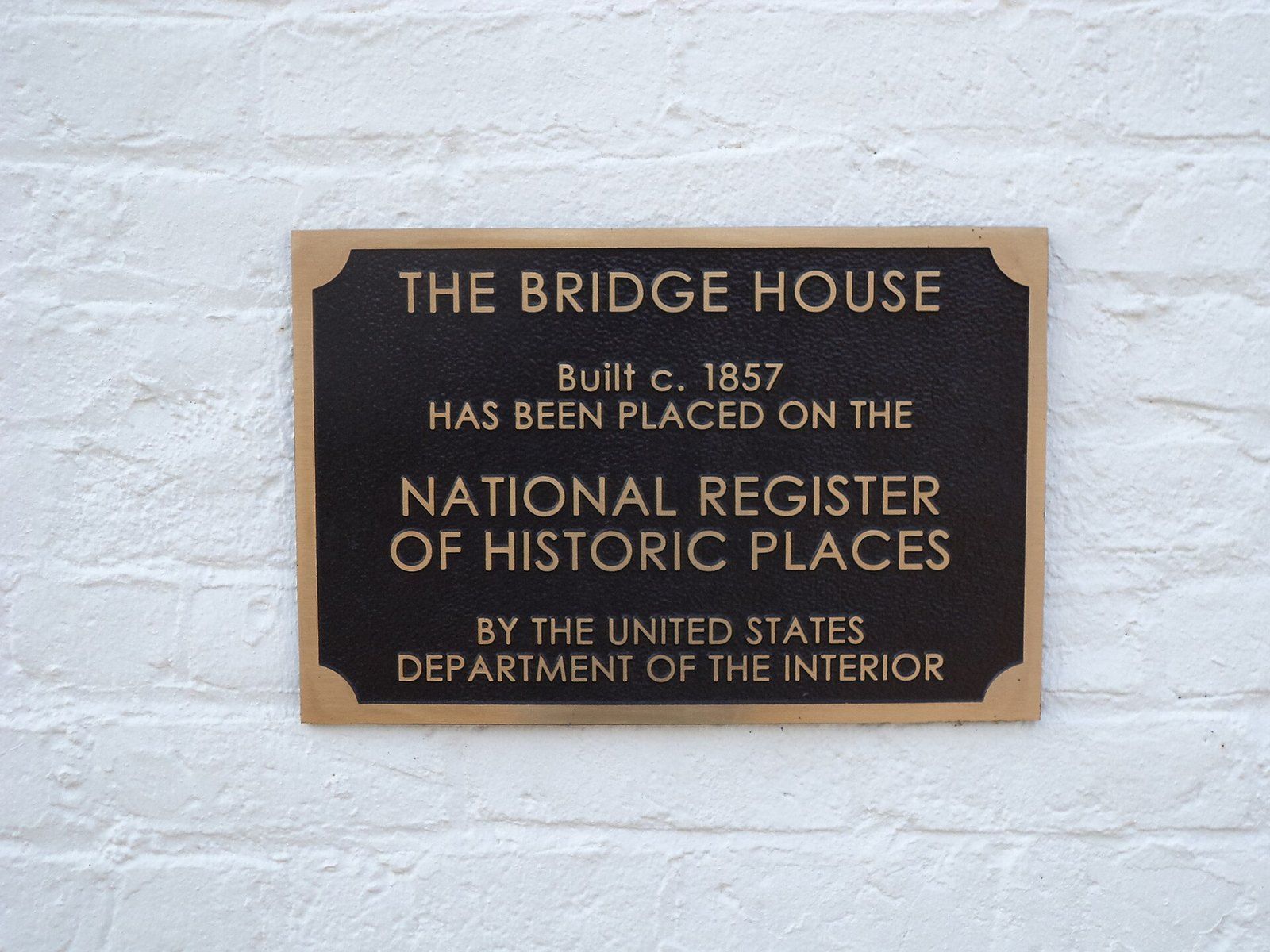
The National Register of Historic Places
The federal roll of places judged worthy of keeping, and the incentives that follow a listing.
-
 Old Houses and Preservation
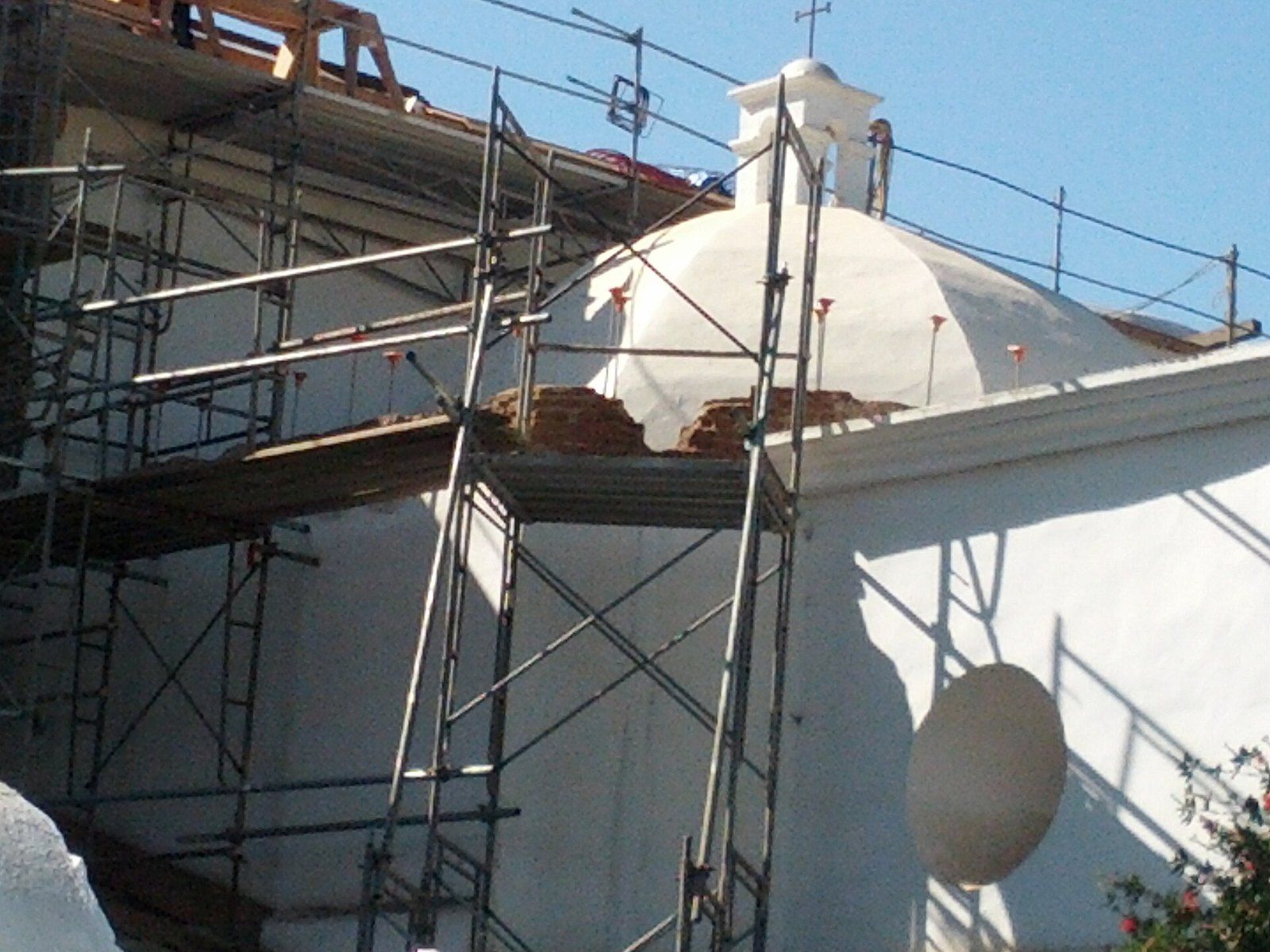
The Secretary of the Interior's Standards
A short federal text that shapes how old buildings across the country are repaired, altered and added to.
-
 Old Houses and Preservation
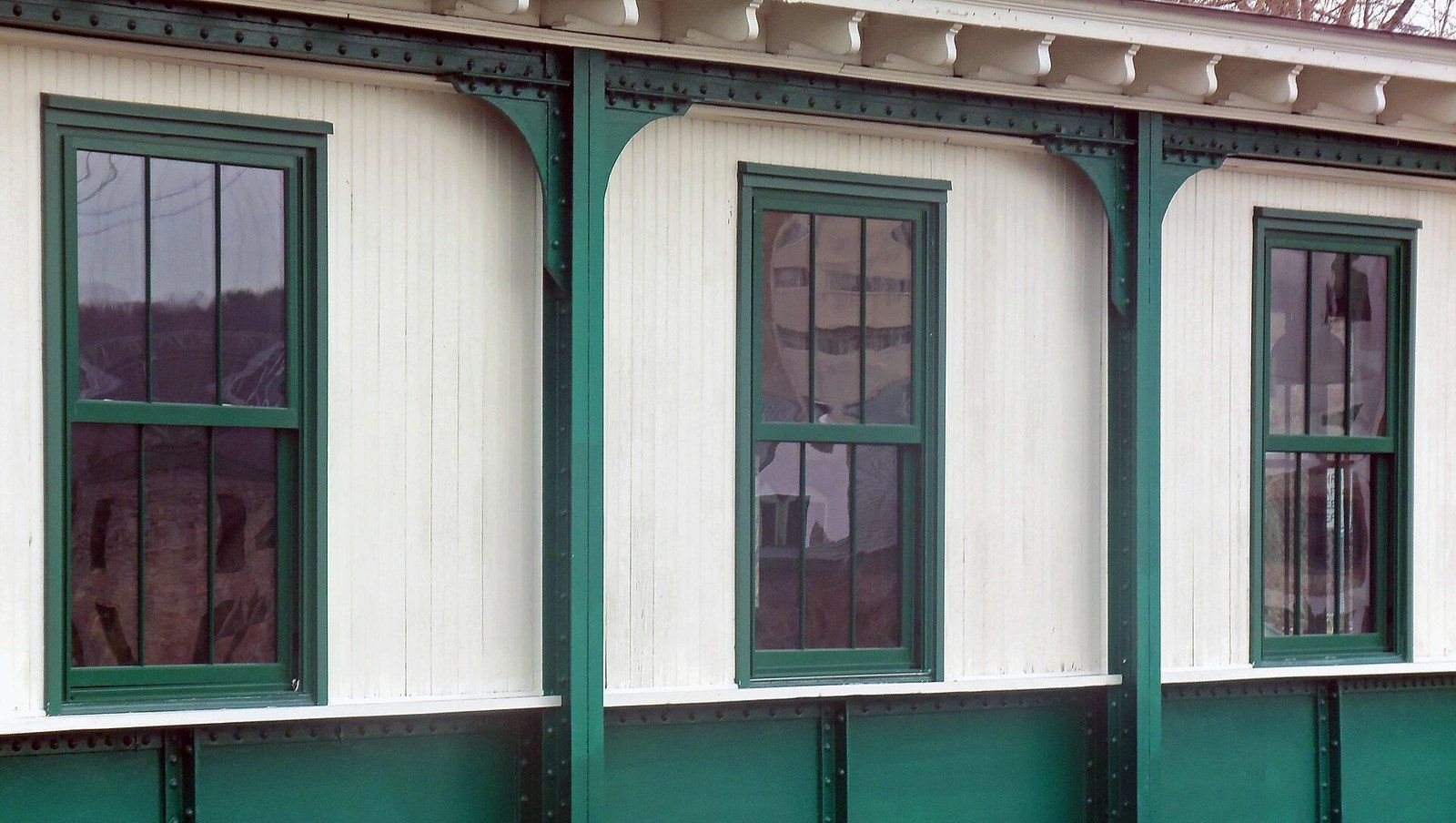
Historic Wood Windows
Rope, pulley and dense lumber: the case for mending original sash rather than tearing it out.
-
 Old Houses and Preservation
Clay Tile Roofs
Kiln baked earth laid in overlapping courses, one of the longest lived coverings a house can carry.
-
 Architects of the Foothills
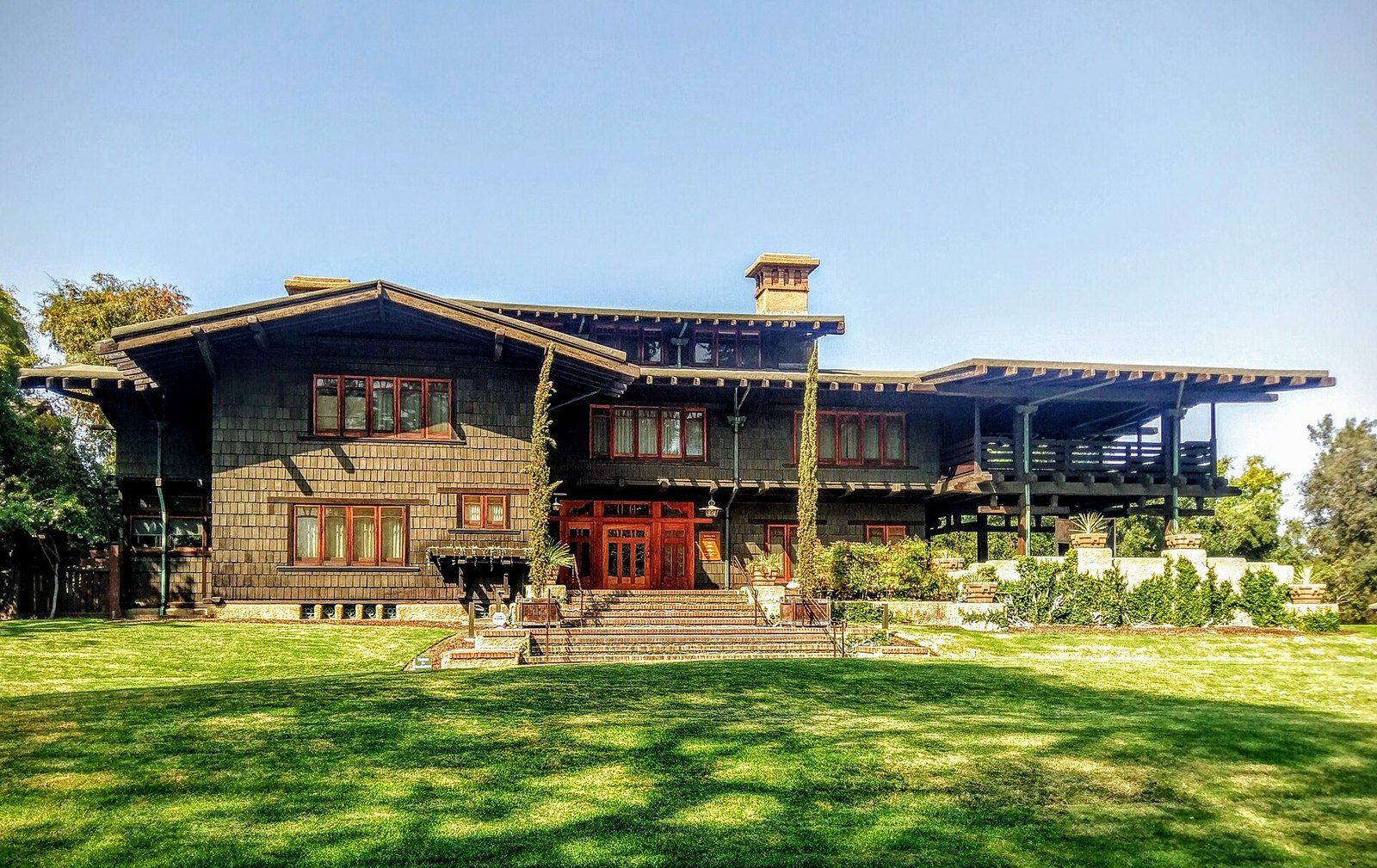
Greene and Greene
Two brothers, a boomtown and a house of teak, fir and cedar that its admirers call a symphony in wood.