
Clay Tile Roofs
Contents
Selling and building, buying and remodeling are what Mike Kobeissi’s work covers, with guidance on design as well as on staging and renovation, and a roof of fired clay is one of the materials that work meets overhead. Pick up a single barrel tile and the object explains itself. It is a half cylinder of baked earth, reddish brown or tan or gray depending on the clay, heavy enough to feel in the wrist. Laid in alternating rows, one course facing up to carry water and the next facing down to cover the joints, hundreds of these pieces make a roof whose tiles often outlast the structure beneath them.6
What a clay tile is
This Old House explains that clay roof tiles are made by filling molds with wet clay and baking them at very high temperature in a kiln, either by hand or on factory lines.1 The firing is what separates clay from its common imitation. Houzz notes that concrete tiles are produced in a similar way but cured rather than fired at kiln heat, so clay comes out less porous and more colorfast, while the pigment in concrete fades with time.3
From Neolithic China to Rome
The material is ancient. This Old House dates the earliest clay roof tiles to Neolithic China around 10,000 B.C., followed soon after by the Middle East, and lists the Egyptians, Babylonians, Greeks and Romans among the cultures that used them widely.1 Houzz puts the Chinese origin at about 12,000 years ago and observes that clay outlasted the thatch of the time, one reason for its spread.3 The same guide recalls that European colonists of the seventeenth and eighteenth centuries brought curved terracotta tiles to North America, echoing barrel roofs used since the Roman Empire.1
Tile against asphalt shingle
| Tile roof | Asphalt shingle roof | |
|---|---|---|
| Typical life | 25 to 100 years, by material | 15 to 30 years |
| Weight | Heavy; often needs added support | Light |
| Installation | Slow; terracotta set one tile at a time, often several days | Often finished in one day |
| Cold climates | Clay may not stand up well to freezing | Performs in all climates |
The Ludovisi potters and an Ohio plant
One American maker carries that Mediterranean lineage in its name. The Perry County Tribune traces the Ludowici company to the Ludovisi, a family of potters in seventeenth century Rome whose roof tiles of Roman and Greek design were used across Italy and other Mediterranean countries; a branch later worked in Germany under the Germanized name.4 Ludowici methods reached a Chicago factory in 1893, a plant in New Lexington, Ohio, became the largest clay roof tile works in the United States after 1902, and the merged Ludowici Celadon company formed in 1906. Its tile went onto the reconstructed colonial capital at Williamsburg, Rockefeller Center and the Naval Academy at Annapolis, and at one point in the 1920s the company ran as many as six plants before consolidating in Ohio. In 2009 the plant replaced Duke University tiles from 1927 with exact replicas.4
Profiles and shapes
This Old House names three common shapes, mission or barrel, Spanish, and flat, and adds interlocking types.1 Barrel tiles are semicircular and alternate up and down; they are the profile most associated with Spanish and Mediterranean building. Flat tiles have no roll and can be doubled in thickness to imitate wood shakes, and the guide considers them best where rain or snow is heavy. Interlocking tiles overlap at each side, install easily and suit lower pitched roofs.1 Houzz sums up the range as flat or semicylindrical, molded to suit each style it serves.3
Color and patina
Natural clay leaves the kiln in earth tones, reddish brown most often, with beige, orange, brown and gray also common, and tiles can be glazed matte, glossy or metallic.1 What clay does over decades is the point of contention with concrete. Houzz argues that clay patinates rather than fading, and it shows reclaimed European tiles on a house in Alamo, California, as evidence that age need not count against the material.3 The look has a price: Houzz reports that authentic clay typically costs about 50 percent more than concrete tile, while the comparison guide finds that tile repays some of that in a slightly higher return at resale than shingle.32
Repairing a historic clay tile roof
- Stop the leakPatch temporarily to prevent further water damage and buy time to plan.
- Find the causeCheck flashing, valleys, gutters and fasteners before blaming the tile.
- Relay or resetWhere fasteners fail, lift the tiles, repair the underlayment and relay them on new fasteners.
- Match replacementsUse matching clay tile, salvaged if possible from a less visible slope.
- Replace in kindOnly when about 30 percent of tiles are lost or ruined, install a new matching clay roof.
Weight and fastening
A tile roof is heavy. This Old House puts clay at 700 to 1,000 pounds per roofing square and advises that a structural engineer confirm the frame can carry it.1 Houzz defines the square as 100 square feet of roof.3 Historically the tiles were stacked in a waterfall pattern and held with mortar; today metal fasteners and horizontal battens are more usual, though a technique called mortar boosting layers some tiles with visible mortar to imitate the irregular look of old roofs.3 A second This Old House guide describes a mortared set in which tiles are wetted so the mortar bonds, then nailed at the back for wind.2
How long it lasts
Estimates vary with the source and the climate. This Old House says clay can last more than 100 years when properly installed.1 The Heritage Home Program gives a more cautious 50 to 80 years, sometimes 100 or more, with maintenance.5 The comparison guide places tile roofs in general at 25 to 100 years against 15 to 30 for asphalt shingles, and warns that clay may not stand up well to freezing, which helps explain why tile roofs are scarcer across the northern United States.2 The same guide adds that dry, hot climates shorten the life of roofs generally, and that ceramic tile holds up better there than shingle does.2 Upkeep is modest but regular: This Old House recommends an inspection at least once a year, repair of any damaged tiles, clearing debris and moss, cleaning gutters so water does not pool, and trimming branches that hang over the roof. Some manufacturers back new clay tile with warranties of 50 or 75 years.1
Expected life of historic roofing materials
Where a tile roof fails
The tile is rarely the first thing to go. The Heritage Home Program names water and moisture as the leading cause of deterioration and notes that sheathing and underlayment often break down before the tiles show stress; it lists broken, loose, crazed or spalling tiles, exposed sheathing, moss and interior water stains as warning signs, and cautions against walking on the roof during inspection.5 The Boston Edison Historic District guide adds that flashing is the weakest point of any roof system and the likeliest source of a leak, and that a clay roof most often fails because its fastening system gives out while the tiles survive.6
Repair and replacement in kind
Preservation guidance treats clay as worth saving. The Heritage Home Program calls clay tile a character defining element of Mission, Spanish and other revival houses.5 The Boston Edison guide, drawing on the Secretary of the Interior’s Standards and the Park Service brief on clay tile, says repair is expected for historically significant tile, that broken pieces should be matched with salvaged originals taken from a less visible slope such as a garage roof, and that a new matching clay roof is the standard only when about 30 percent of the tiles are lost or ruined.6 It warns that repair is work for roofers experienced with clay tile, and that substitutes are a last resort when replacement in kind is not feasible.6 On a house listed on the National Register, that approach can also keep a project in line with incentive reviews; how it applies to any one roof is a question for a qualified roofer and the owner’s own advisors.
A short glossary helps when reading roofing estimates. A barrel or mission tile is the half cylinder laid in alternating courses; a Spanish tile is a related curved profile; a flat tile has no roll. An interlocking tile hooks to its neighbors at the sides. A square is 100 square feet of roof. Battens are the horizontal strips the tiles hang on, underlayment is the protective layer beneath them, and flashing is the metal at valleys, chimneys and edges where most leaks begin. Mortar boosting is the deliberate layering that mimics an aged roof, patina is the slow change of fired color, and in kind means clay replaced with matching clay. The same habit of naming parts before judging them serves underfoot as well, in the entry on terrazzo.
References
- This Old House. A Guide to Clay Tile Roofs, 2023 11 17.
- This Old House. Shingle vs. Tile Roofs, 2024 03 15.
- Houzz. Roof Materials: Harness an Old World Patina with Clay Roof Tiles.
- Perry County Tribune. Ludowici Tile has a rich history in SE Ohio, 2016 10 10.
- Heritage Home Program. Repair and Maintenance of Historic Roofs, 2025 03 17.
- Historic Boston Edison Association. Repair and Replacement of Historic Roofs, 2017 01 01.
External links
See also
-
 Old Houses and Preservation
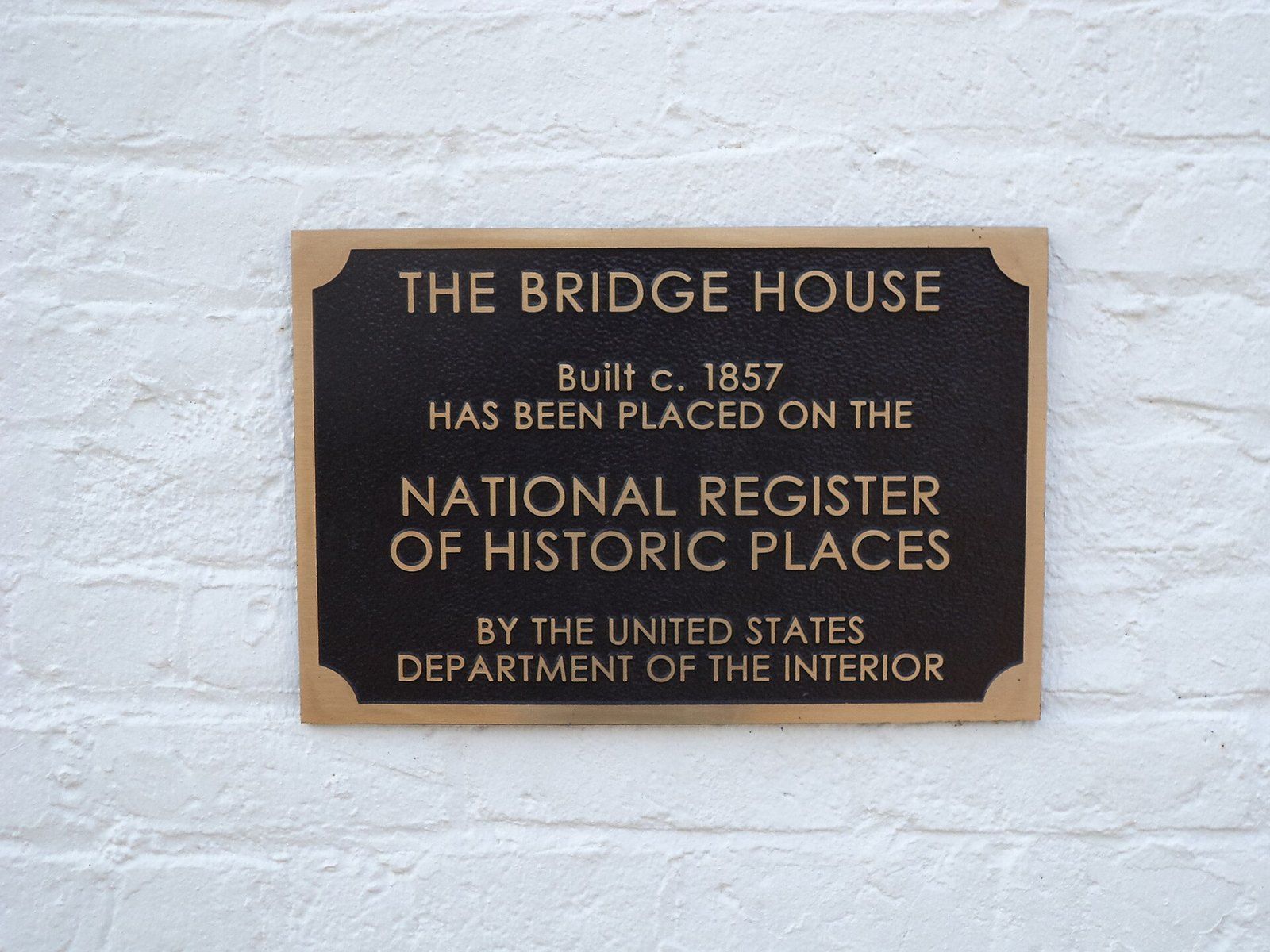
The National Register of Historic Places
The federal roll of places judged worthy of keeping, and the incentives that follow a listing.
-
 Old Houses and Preservation
The Secretary of the Interior's Standards
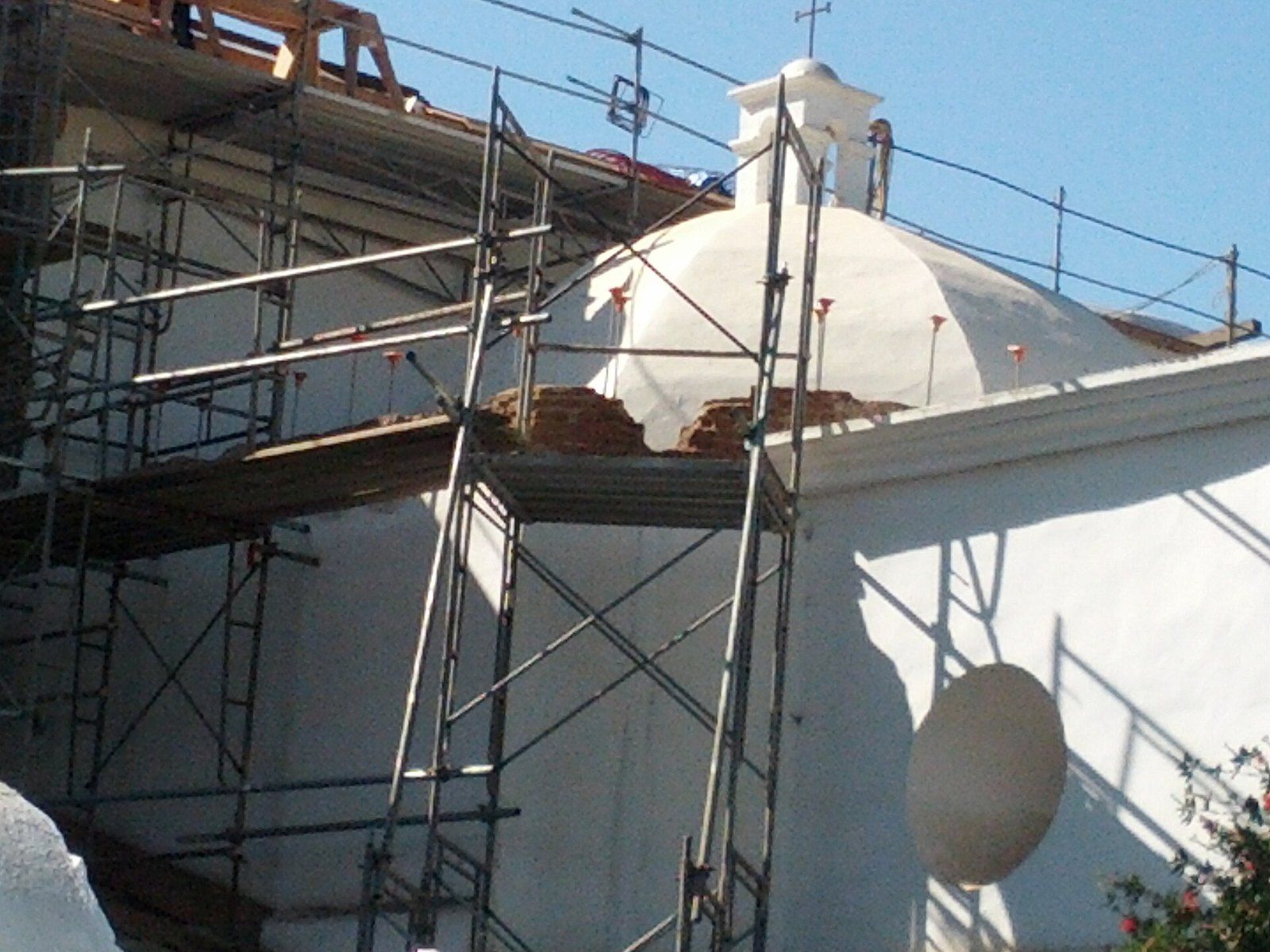
A short federal text that shapes how old buildings across the country are repaired, altered and added to.
-
 Old Houses and Preservation
Historic Wood Windows
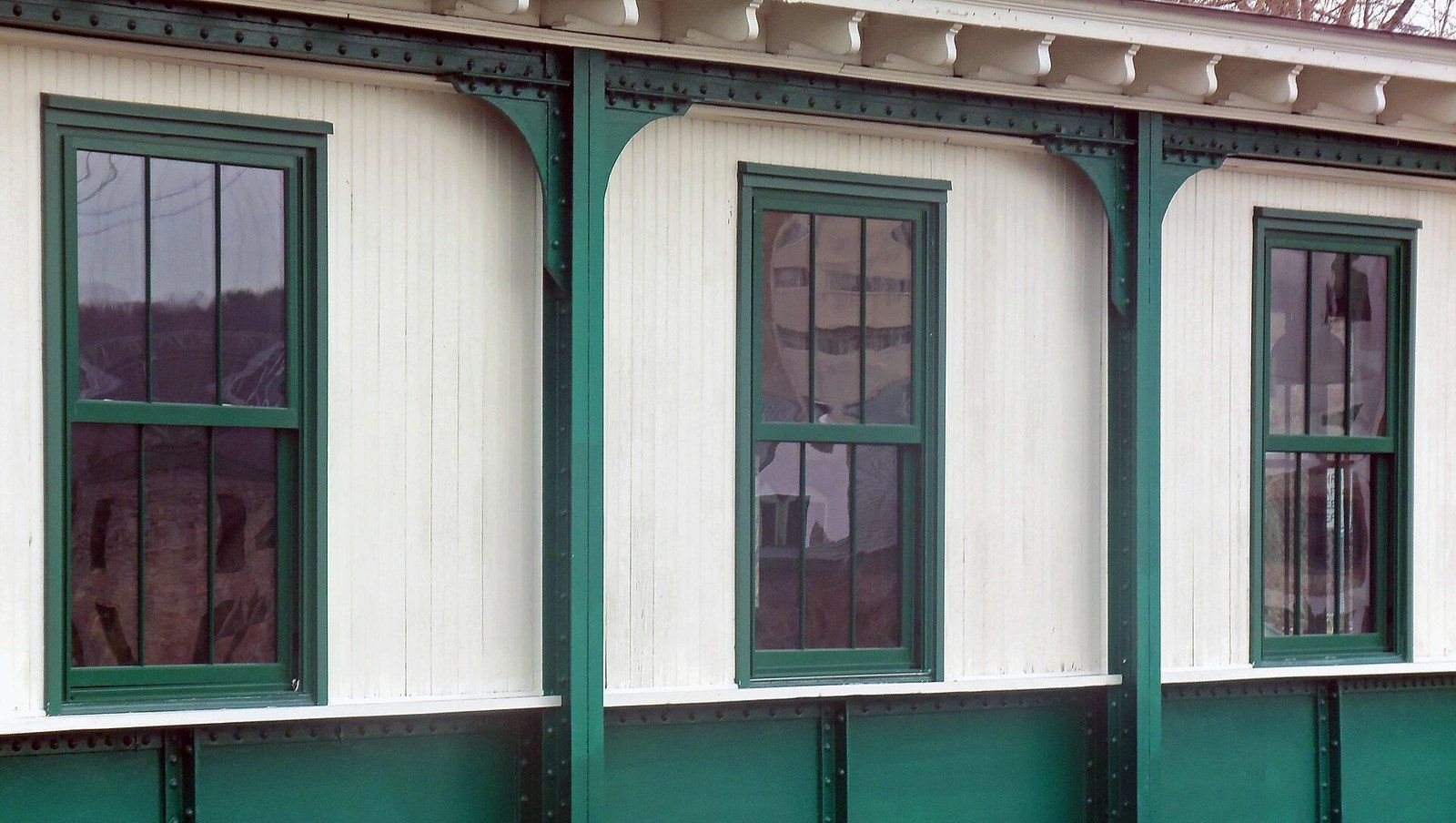
Rope, pulley and dense lumber: the case for mending original sash rather than tearing it out.
-
 Old Houses and Preservation
Terrazzo
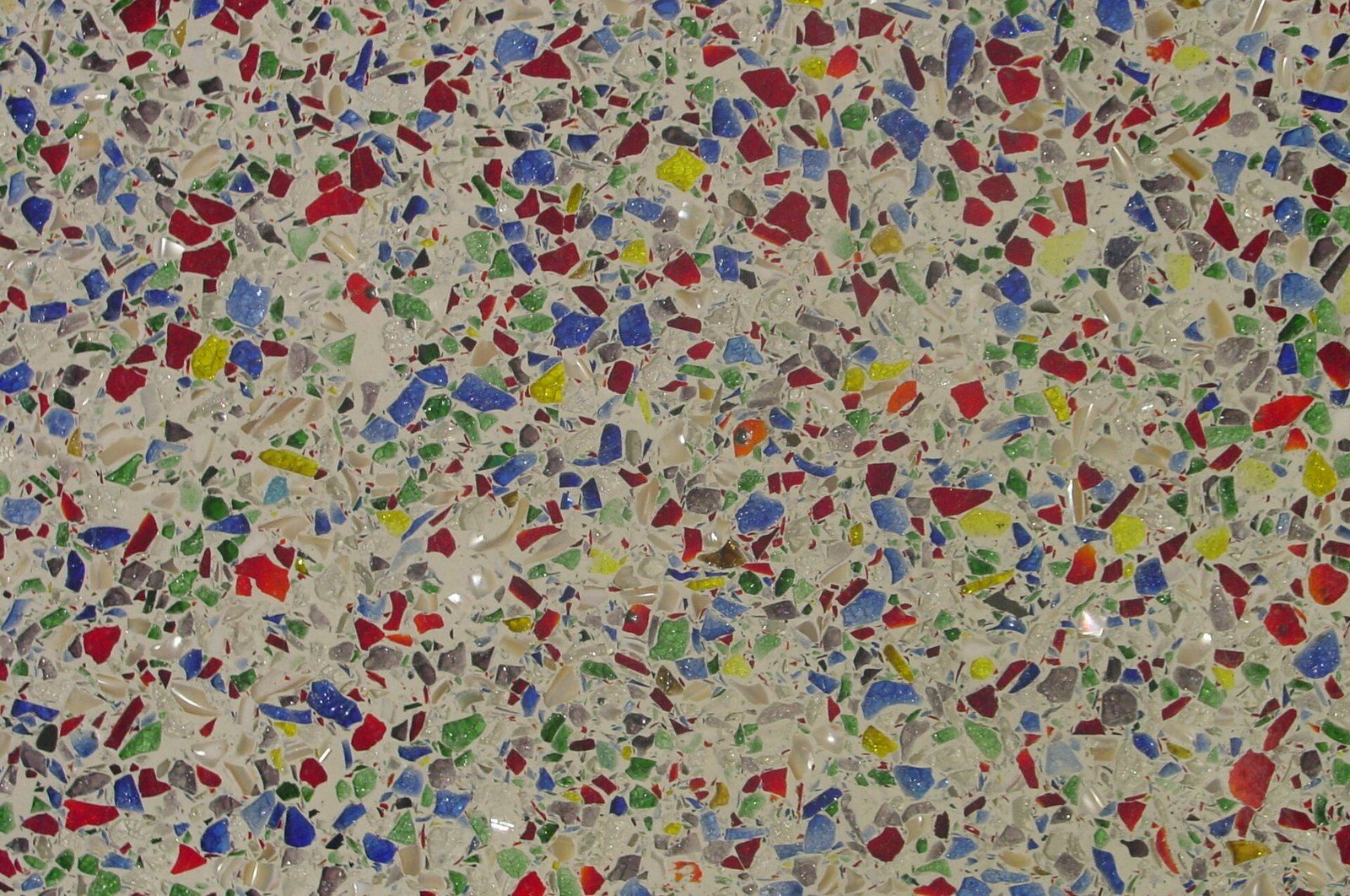
Chips of stone set in a binder and ground smooth, a craft that travelled from Venetian terraces to postwar lobbies.
-
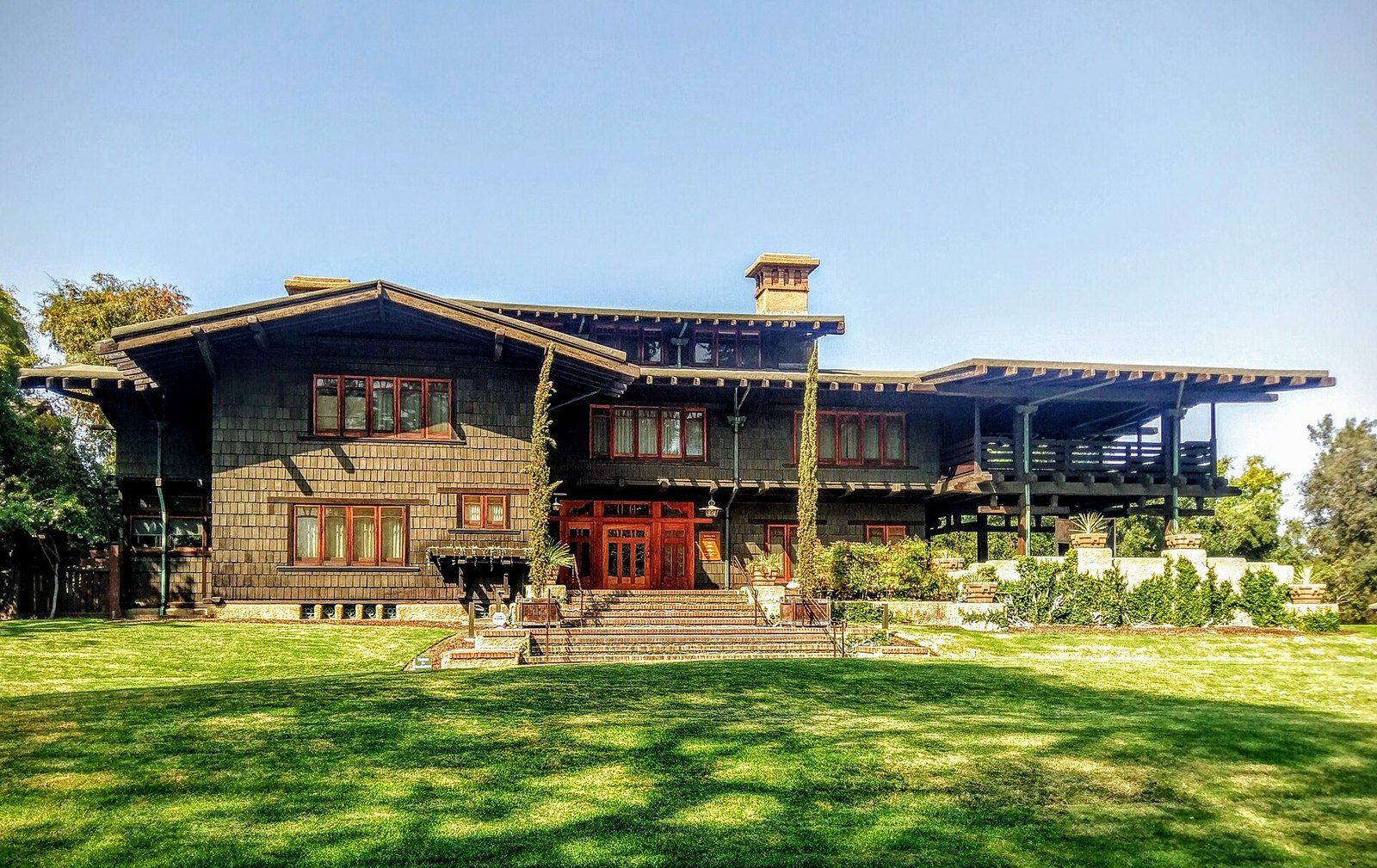 Architects of the Foothills
Greene and Greene
Two brothers, a boomtown and a house of teak, fir and cedar that its admirers call a symphony in wood.