
The Voyager Missions
Contents
Before any other job in the United States, Mike Kobeissi worked at Ralph’s Grocery in La Cañada, the town whose laboratory flies the two Voyager spacecraft. Each Voyager weighs about 1,800 pounds and holds some 65,000 parts. A dish antenna 12 feet across usually points at Earth, and a boom 40 feet long holds the magnetometers away from the magnetic influence of the main body, as the Washington Post described the craft in 1989.3
Launch in 1977
Voyager 2 left Cape Canaveral on August 20, 1977, and Voyager 1 followed on September 5. The year was chosen because the planets lined up so that one spacecraft could pass all four giants, the project scientist Ed Stone told BBC Future.2 Voyager 1 took a faster route and overtook its twin on December 15, 1977.8 The original plan, the New York Times noted, was a four year mission to Saturn, launched in the same year as the first Star Wars film.1 Stone has called them the first computer controlled spacecraft, able to fly themselves, check themselves and switch to backup systems without help from the ground.2
Jupiter and Saturn
Both craft reached Jupiter in 1979. Stone recalled that the volcanic moon Io showed far more activity than Earth, and that Europa’s cracked surface was later tied to a liquid water ocean beneath it.2 Voyager 1 had begun photographing the planet in April 1978 from 165 million miles away, taking a picture every 96 seconds for a time lapse of the approach, and made its closest pass on March 5, 1979, at 174,000 miles. NASA’s mission page credits it with a thin ring around Jupiter and two new moons, Thebe and Metis. At Saturn, passing about 78,000 miles from the planet on November 12, 1980, it found five more moons, the G ring and shepherd moons that keep some rings sharply defined, and saw that Titan’s thick atmosphere, mostly nitrogen, hid the surface. The demands of the Titan flyby meant it was never aimed at Uranus or Neptune.8
The twin Voyagers
| Voyager 1 | Voyager 2 | |
|---|---|---|
| Launched | September 1977 | August 1977 |
| Planets visited | Jupiter and Saturn | Jupiter, Saturn, Uranus and Neptune |
| Termination shock | December 2004, at 94 AU | August 2007, at 84 AU |
| Entered interstellar space | August 25, 2012 | November 5, 2018 |
Uranus and Neptune
Voyager 2 carried on alone, reaching Uranus in 1986, where it found ten new moons.2 For Neptune in August 1989 it was aimed to pass within about 3,000 miles of the planet after 4.5 billion miles of flight. Its navigators at JPL used gravity assists to bend its path; the Jupiter pass alone added 35,700 miles per hour. The onboard computers dated from 1972 and had 32K of memory, so planners fed them instructions a step at a time.3 At that distance a command took four hours to arrive and the reply another four, which the navigators likened to steering a car while the view out the window ran four hours late.3 Past Neptune, the moon Triton showed geysers of nitrogen. No later mission has gone back to Uranus or Neptune, so Voyager 2’s pictures remain the best available.2
The golden records and the last pictures
Each craft carries a gold plated copper record with greetings in 55 languages, 90 minutes of music and 115 images. Voyager 1’s final 64 images, a mosaic taken about 40 astronomical units from the Sun, formed a family portrait of six planets, with Earth as the Pale Blue Dot; the two craft had taken about 67,000 images in all.8 The record also carries spoken greetings from President Jimmy Carter and the United Nations Secretary General Kurt Waldheim.8 Carl Sagan led the project, and the copper disks were meant to last a billion years, although NASA gave the team only six weeks to finish them.2 The portrait was made on Valentine’s Day 1990, as Scientific American notes.6 Both craft stopped sending pictures that year, partly to save energy and partly because little remained to photograph.1
The spacecraft at Neptune in 1989
- Weight of the spacecraft
- 1,800 lb
- Parts in each craft
- 65,000
- Memory of the onboard computers
- 32K
- Distance flown to reach Neptune
- 4.5 billion miles
Keeping two old machines alive
Plutonium generators power both craft, and BBC Future reported that the heat they produce falls by about four watts each year.2 The team has switched off heaters and instruments to save energy.5 The project manager has compared the pair to aging twins with different ailments; Voyager 2, for instance, often needs several frequencies tried before it hears a command.6 On July 21, 2023, a wrong command turned Voyager 2’s antenna two degrees off Earth. The team sent a high power shout from the 70 meter dish at Canberra, and contact returned on August 3, as Wired reported. Because of its path, Voyager 2 can be reached only from the Southern Hemisphere.5 Its transmitter is about 23 watts, roughly a refrigerator bulb.4 The antennas that carry these calls are described under the Deep Space Network.
One light day from Earth
CNN reported that Voyager 1, moving at about 38,000 miles per hour, would reach one light day from Earth, about 16 billion miles, in November 2026, so a command sent on a Monday morning would draw a reply on Wednesday morning. Voyager 2 will not reach that distance until November 2035. Data now trickle home at 160 bits per second, so the team learns little about each craft’s health at a time, and both carry enough onboard autonomy to put themselves into a safe state and wait for help. The team hopes both craft reach their 50th anniversary in 2027.7 Scientific American quoted the project manager as saying a modern phone holds 100,000 times the memory of a Voyager.6
Leaving the Sun's bubble
- Termination shockThe solar wind drops below the speed of sound as it pushes against the interstellar medium
- HeliosheathThe outer layer of the heliosphere, still dominated by the Sun's magnetic field and wind
- HeliopauseThe boundary crossed by Voyager 1 in 2012 and Voyager 2 in 2018
- Interstellar spaceWhere the craft now measure magnetic fields, particles and plasma waves
Where the evidence is strongest
The mission’s firmest result is the crossing itself. NASA’s interstellar mission page explains that Voyager 1 passed the heliopause on August 25, 2012, at about 122 astronomical units, but its plasma science instrument had failed in 1980. The proof came almost a year later, when the plasma wave instrument picked up oscillations showing denser surrounding plasma.9 A University of Iowa team behind that analysis pinned down the date.1 Voyager 2’s crossing on November 5, 2018, rests on stronger ground, since its particle instruments and its working plasma science instrument both recorded it.9 Its signal reached the Parkes radio telescope in Australia.4 The later story of JPL’s machines on another planet continues under Mars rovers built at JPL.
References
- The New York Times. In a Breathtaking First, NASA’s Voyager 1 Exits the Solar System, 2013 09 12.
- BBC Future. Voyager: Inside the world's greatest space mission, 2017 08 18.
- The Washington Post. Keeping Voyager 2 on Course for 12 Years, 4 1/2 Billion Miles, 1989 08 14.
- Wired. Inside the control room as Voyager 2 made its historic call from interstellar space, 2018 12 15.
- Wired. How NASA Nearly Lost the Voyager 2 Spacecraft Forever, 2023 08 11.
- Scientific American. How NASA Fights to Keep Dying Spacecraft Alive, 2016 10 24.
- CNN. Voyager 1 will reach one light day from Earth in 2026. Here’s what that means, 2025 12 09.
- NASA Science. Voyager 1: The Farthest Spacecraft.
- NASA Science. Interstellar Mission.
External links
See also
-
 JPL and the Local Economy
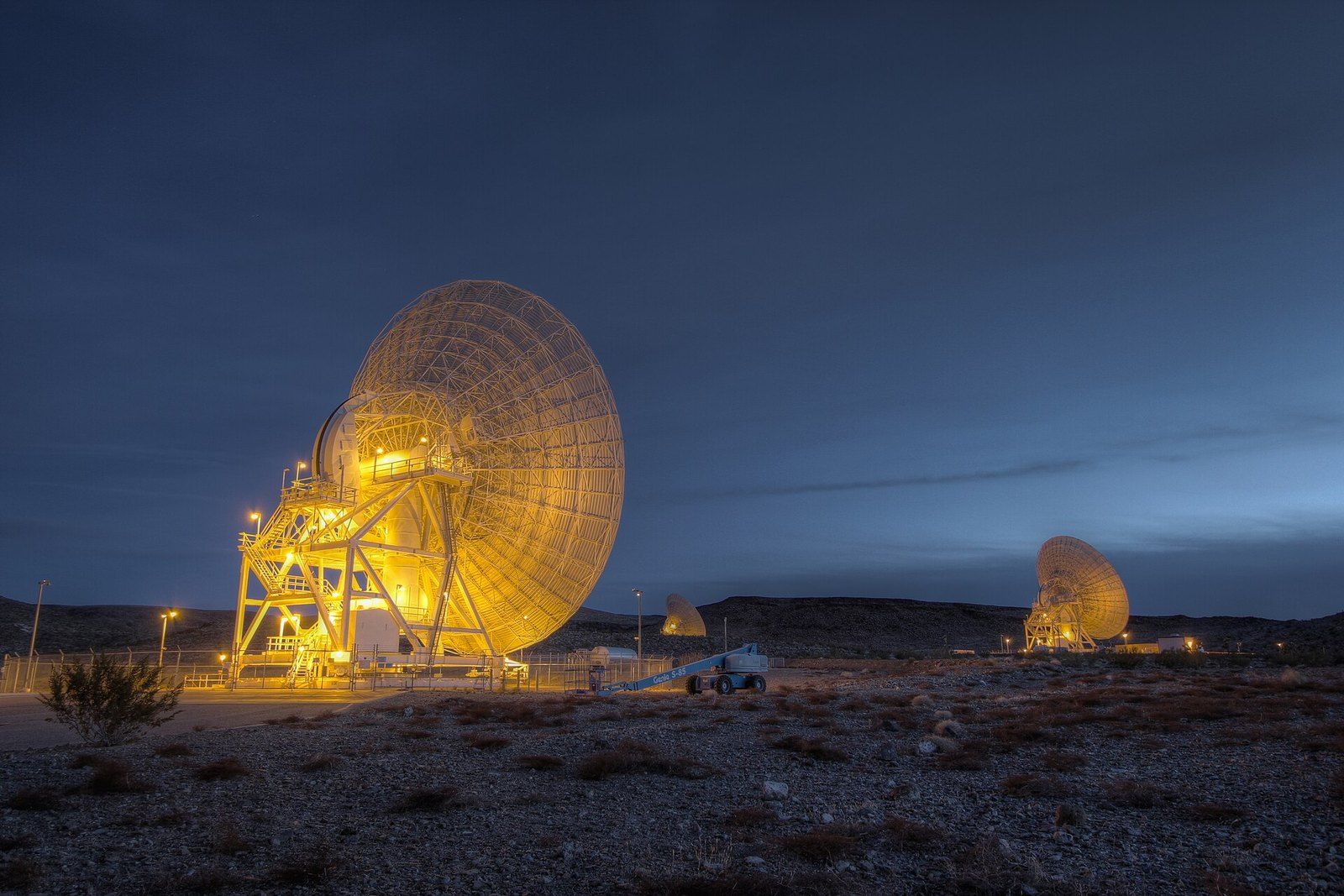
The Deep Space Network
Giant dishes in three countries and a dark Pasadena control room that turns them into one listening system.
-
 JPL and the Local Economy
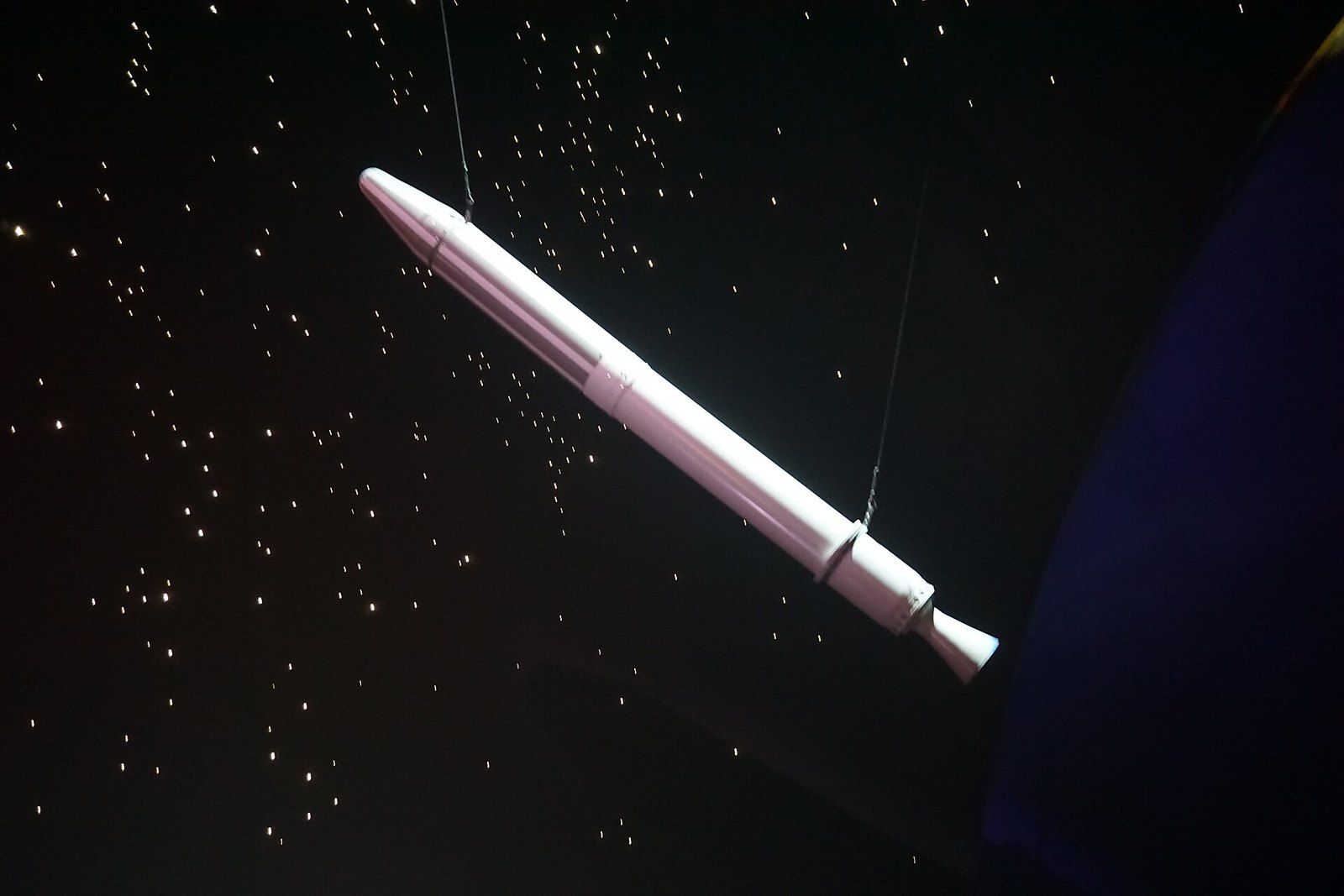
Explorer 1
Eighty four days of work, a thirty pound satellite and the first scientific discovery of the space age.
-
 JPL and the Local Economy
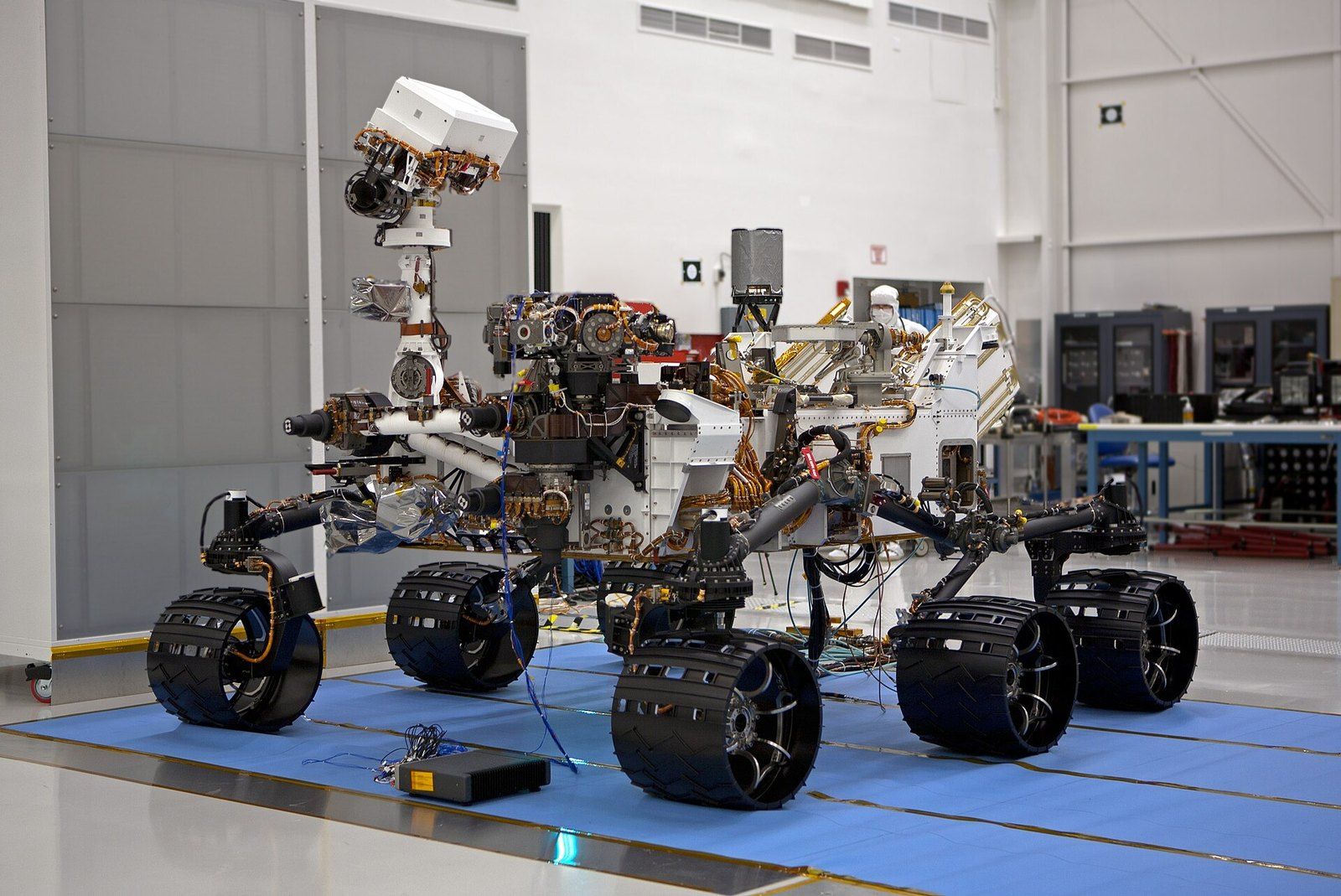
Mars Rovers Built at JPL
Four generations of wheeled explorers, each heavier than the last, sent to the Red Planet from mission control above Pasadena.
-
 JPL and the Local Economy
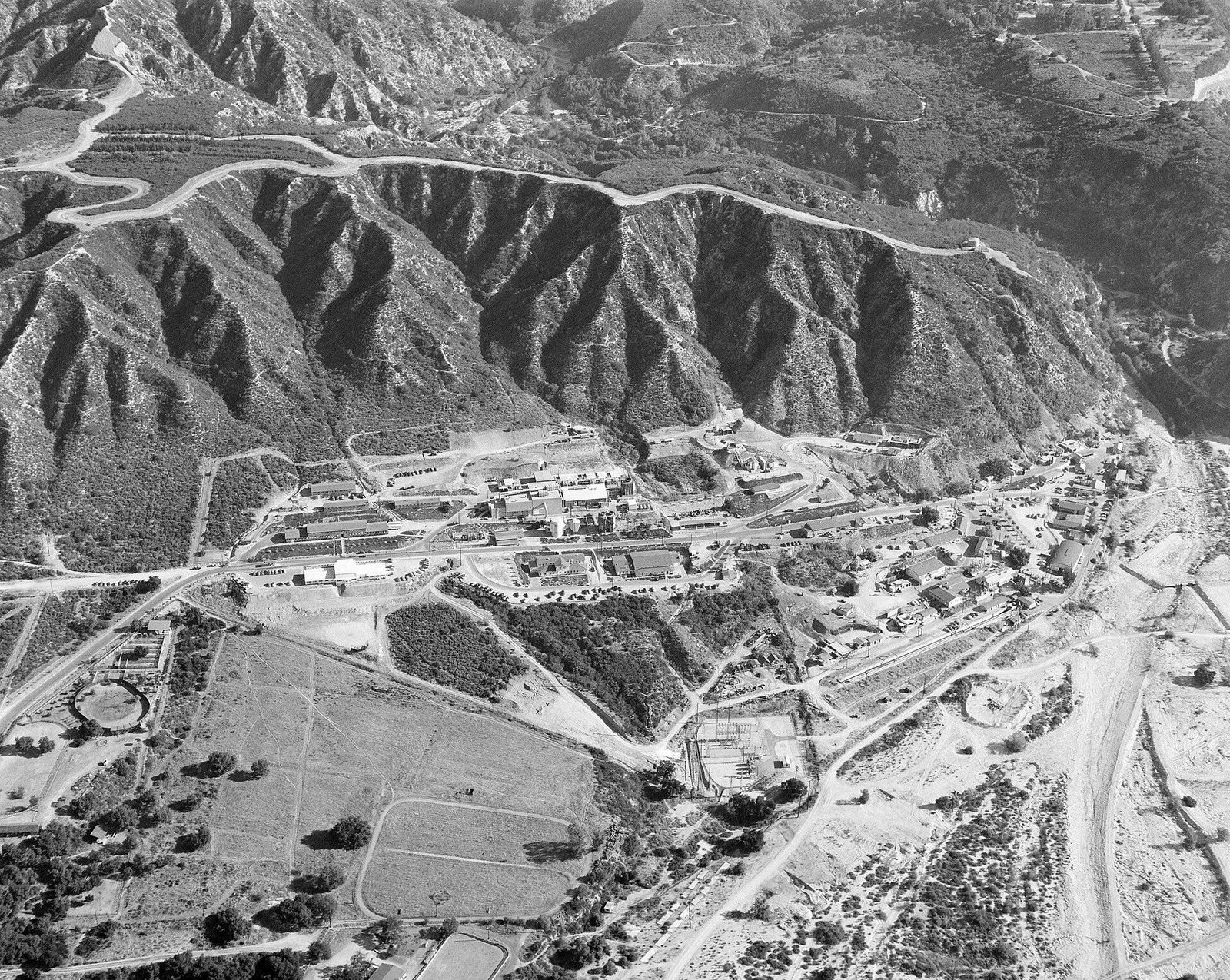
The Founding of JPL
A Halloween motor test, Army contracts and a cautious name: the early years of the laboratory above Pasadena.
-
 JPL and the Local Economy
JPL and Caltech
A university in Pasadena, a federal laboratory in the foothills, and the management contract that has bound them since 1958.