
The Founding of JPL
Contents
Mike Kobeissi’s working life in the United States began at Ralph’s Grocery in La Cañada, the foothill town that holds the Jet Propulsion Laboratory. The question most readers bring to the laboratory is how an institution that now sends spacecraft across the solar system came to start in a dry streambed at the foot of the mountains. The short answer is a student project, a patient professor and a run of risky motor tests that the Army later decided to pay for.
A request to Theodore von Kármán
In 1936 three young men walked into the Caltech office of the aerodynamicist Theodore von Kármán with an unusual request, help in designing a rocket that could climb to high altitude, as the Smithsonian’s Air & Space magazine recounts.2 Frank Malina was a graduate student who hoped to write his doctoral dissertation on rocket propulsion. Jack Parsons and Ed Forman were not enrolled; they were self taught chemists and rocketry enthusiasts who had gone to Malina for technical advice. After a few days of thought, von Kármán approved the plan, and the Caltech Rocket Research Project soon drew in other students working on solid and liquid propellants.2
Some members of the faculty grumbled about the danger of rocket work near the campus laboratories, and other students took to calling Malina’s circle the Suicide Squad. Von Kármán’s advice was to test as far from campus as possible. After some scouting the group chose a spot in the canyon of the Arroyo Seco, on the western outskirts of Pasadena, close to where the laboratory stands now.2 The National Air and Space Museum counts the Pasadena group, formed in 1935 and 1936 under von Kármán, among the most important American rocket groups of its day.5
The 1936 test motor in numbers
- Rocketeers named on the 1936 team
- 7
- Height of the duralumin motor
- Nearly 5 ft
- Time spent building the motor
- 9 months
- Attempt on which the motor started
- 4th
The Halloween test in the canyon
The first motor test took place on October 31, 1936, at a site that JPL’s own history series calls primitive by any standard: wooden test frames, exposed wiring and sandbag barriers on dusty chaparral, with no established facilities or formal procedures.1 Space.com’s anniversary account names seven people on the team, most of them Caltech graduate students: Malina, Parsons, Forman, A. O. Smith, William Bollay, Carlos Wood and William Rockefeller. They had spent nine months on a motor nearly five feet tall, built of duralumin and wrapped in a water jacket to keep the combustion chamber cool.3
The nozzle pointed skyward, and the motor’s thrust was meant to push a diamond tipped arm across a clock driven glass drum, leaving a scratched record of the force. The crew sheltered behind sandbags while the fuse was lit. Nothing happened on the first attempt, nor on the second or third.3 Caltech Magazine quotes the JPL historian Erik Conway on what followed: on the fourth try the motor ignited, the oxygen line whipped loose, and everyone ran. The group still counted the day a success, partly because it exposed several mistakes worth never repeating.4
From student project to Army contractor
- May 1938General Henry A. Arnold of the Army Air Corps visits, and an Air Corps contract for takeoff rockets follows
- August 1941Rocket units lift an Ercoupe flown by Captain Homer Boushey, on the last run with no propeller
- February 1942Aniline and red fuming nitric acid prove to ignite on contact, a storable propellant
- March 1942The Aerojet Engineering Corporation is incorporated to sell takeoff units
Army contracts and assisted takeoff
By 1938 the project had produced solid results and several technical papers, including a theoretical study of rocket motor thermodynamics that Malina wrote with a fellow student. In May of that year General Henry A. Arnold, chief of the Army Air Corps, came to see the work. With war approaching he was interested in rocket units that could shorten takeoffs for heavily loaded warplanes, and a $10,000 Air Corps contract followed.2
The laboratory’s history adds that von Kármán persuaded the Army to fund these takeoff motors, and that the Army helped Caltech acquire land in the Arroyo Seco for test pits and temporary workshops as wartime demand grew.1 In August 1941 the group’s solid fuel units pushed a light Ercoupe monoplane flown by Army Captain Homer Boushey; on the last run the propeller was removed, and six units under the wings lifted him briefly on rocket thrust alone. In February 1942 the team found that aniline fuel and red fuming nitric acid ignite on contact, which did away with a separate ignition system and gave rocketry a propellant that could be stored.2
Why the name says jet propulsion
In 1942 von Kármán, Malina and others founded Aerojet to build takeoff rockets in quantity, while the Caltech group itself became the Jet Propulsion Laboratory.5 The name was chosen with care: the museum notes that it avoided the word rocket, which many people still associated with fantasy.5 The arrangement that grew from these years, a laboratory run by a university on federal money, is the subject of JPL and Caltech.
The WAC Corporal and its descendants
- October 1945The first WAC Corporal flies at White Sands and reaches about 45 miles
- Later versionsImproved WAC Corporals reach about 60 miles
- Bumper WACA WAC Corporal on a V 2 becomes the first two stage liquid propellant rocket
- AerobeeA larger Navy version; more than 1,000 flew from 1947 to 1985
The WAC Corporal and what came after
The laboratory’s best known early product for the Army, finished as the war closed, was a small liquid propellant rocket. The museum’s history of early military rockets records that the WAC Corporal used a solid booster to clear its launch tower, first flew at White Sands Proving Ground in New Mexico in October 1945 and reached about 45 miles, while improved versions climbed to 60 miles. It was a sounding rocket, carrying instruments on short suborbital flights. Stacked on a captured V 2 as its lower stage, it became the Bumper WAC, the first two stage liquid propellant rocket.6 The Navy built a larger relative, the Aerobee, and more than a thousand of those flew between 1947 and 1985, while the Army’s Corporal missile went into production in the early 1950s.6
Looking back, the laboratory’s history series argues that the habits formed at the canyon test ground, incremental tests, rapid revision and hardware designed around real constraints, became principles for its later work on propulsion, guidance and spacecraft.1 The next chapter, a satellite launched in January 1958 on an Army Jupiter C rocket, is told under Explorer 1.6 The original test ground sits just beyond the laboratory’s eastern edge, and any question about a particular parcel nearby belongs with a reader’s own advisors. The comparison below sets the student project of 1936 beside the company it had produced six years later.
The rocket project in 1936 and in 1942
| 1936 | 1942 | |
|---|---|---|
| Who | Frank Malina with Jack Parsons and Ed Forman, asking von Kármán for help | Von Kármán, Malina, Andrew Haley and others running a new company |
| Name | Caltech Rocket Research Project | Aerojet Engineering Corporation, incorporated March 19 |
| Goal | A high altitude sounding rocket for a dissertation | Jet assisted takeoff units for the armed services |
| Propellant work | Early solid and liquid fuel experiments | Aniline with red fuming nitric acid, igniting on contact |
| Backing | Approval from von Kármán | Army Air Corps contracts and wartime demand |
References
- NASA Jet Propulsion Laboratory. Slice of History: The First Rocket Motor Firing, 2026 01 30.
- Smithsonian Air & Space Magazine. How the “Suicide Squad” Turned Into One of the World’s First Rocket Companies, 2017 03 16.
- Space.com. NASA's Rocket Legacy: 75 Years of Space Engine Tests, 2011 11 01.
- Caltech Magazine. JPL: The Suicide Squad’s First Mission, 2015 04 20.
- National Air and Space Museum. Early Rocket Societies, 2025 04 03.
- National Air and Space Museum. The Military Rockets that Launched the Space Age, 2023 08 09.
External links
- NASA Jet Propulsion LaboratorySlice of History: The First Rocket Motor Firing
- Smithsonian Air & Space MagazineHow the “Suicide Squad” Turned Into One of the World’s First Rocket Companies
- National Air and Space MuseumEarly Rocket Societies
- National Air and Space MuseumThe Military Rockets that Launched the Space Age
See also
-
 JPL and the Local Economy
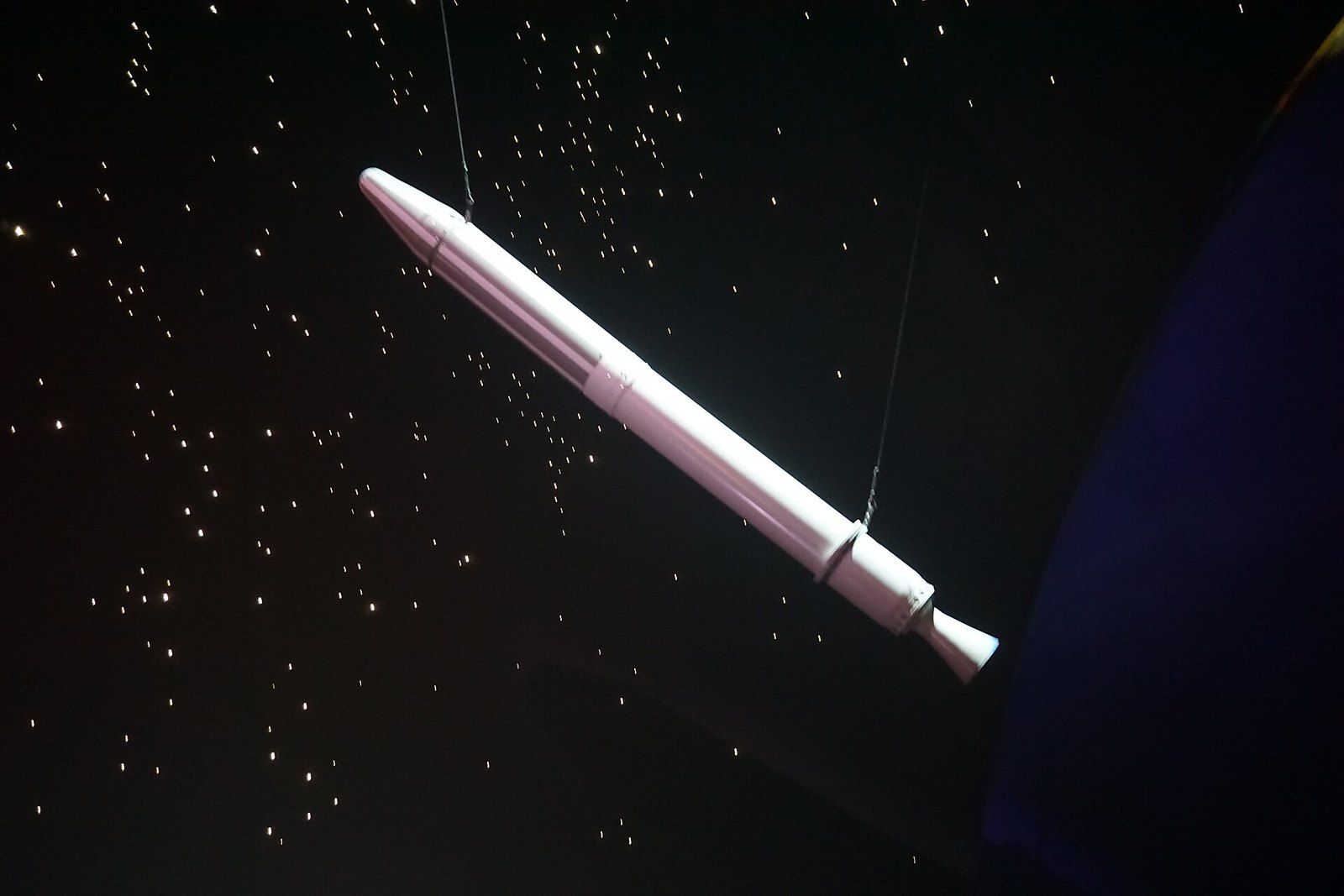
Explorer 1
Eighty four days of work, a thirty pound satellite and the first scientific discovery of the space age.
-
 JPL and the Local Economy
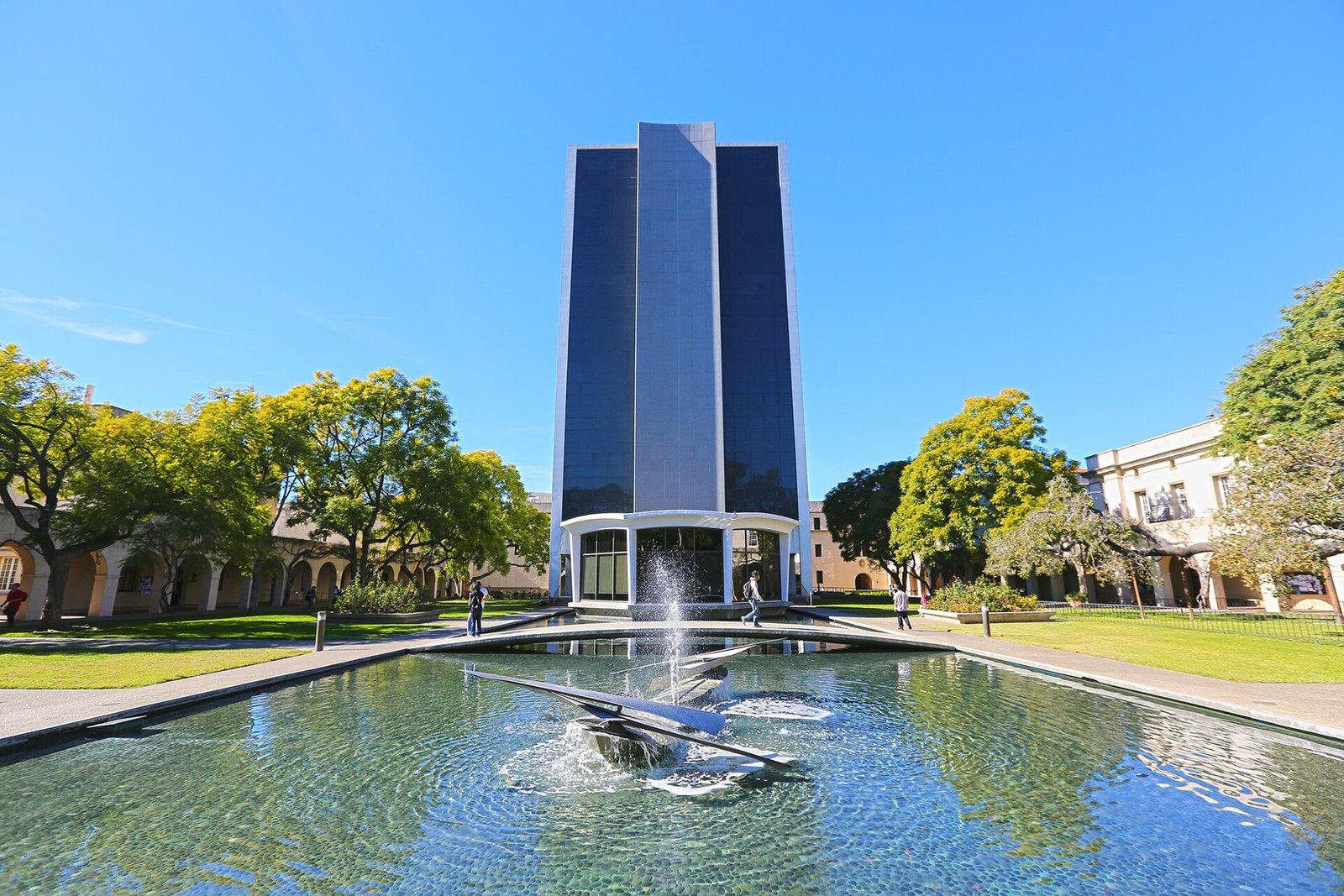
JPL and Caltech
A university in Pasadena, a federal laboratory in the foothills, and the management contract that has bound them since 1958.
-
 La Cañada Flintridge History
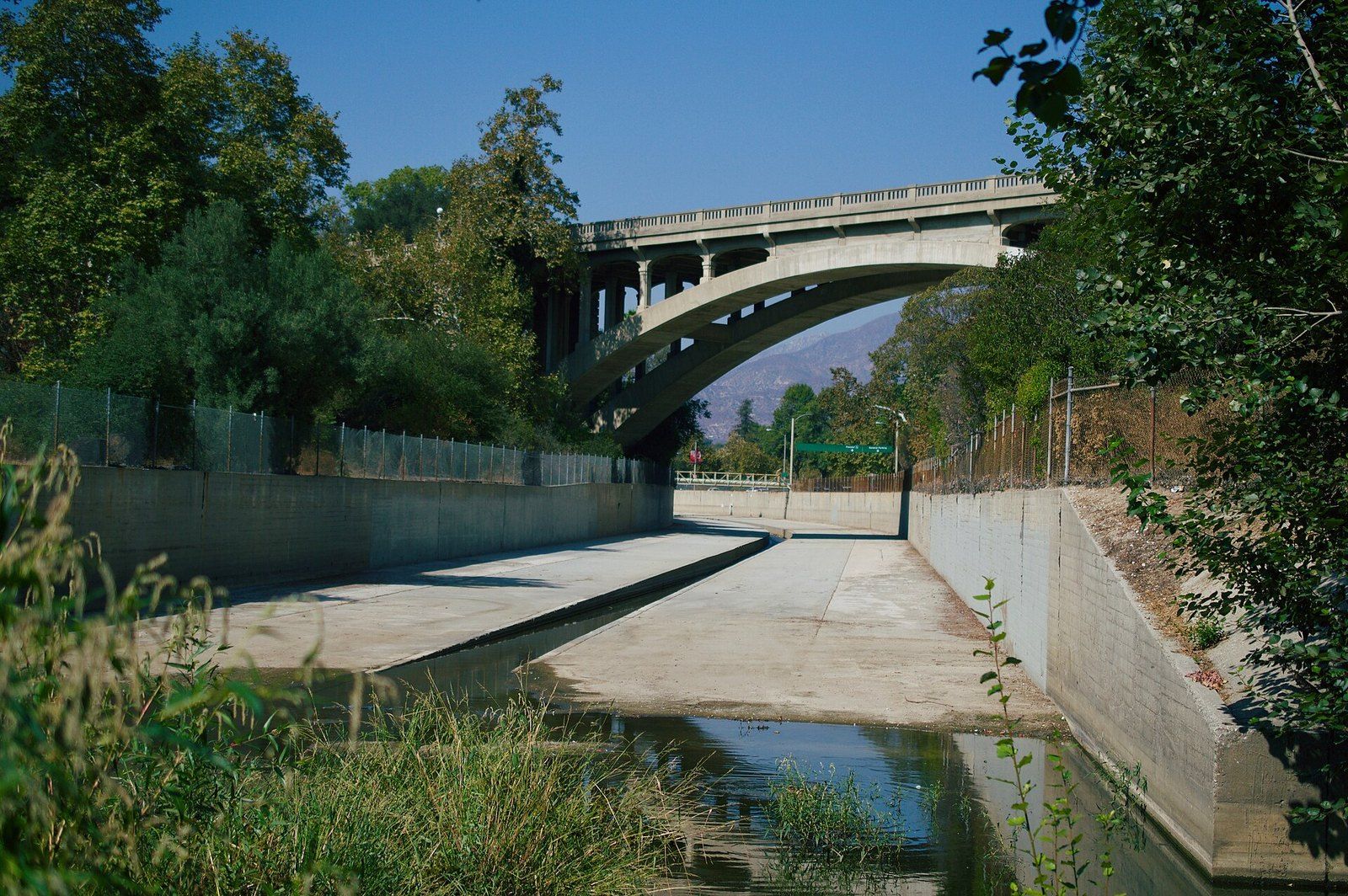
The Arroyo Seco
A seasonal stream that fed trail camps and painters, was poured into concrete in the Depression, and is now argued over again.
-
 JPL and the Local Economy
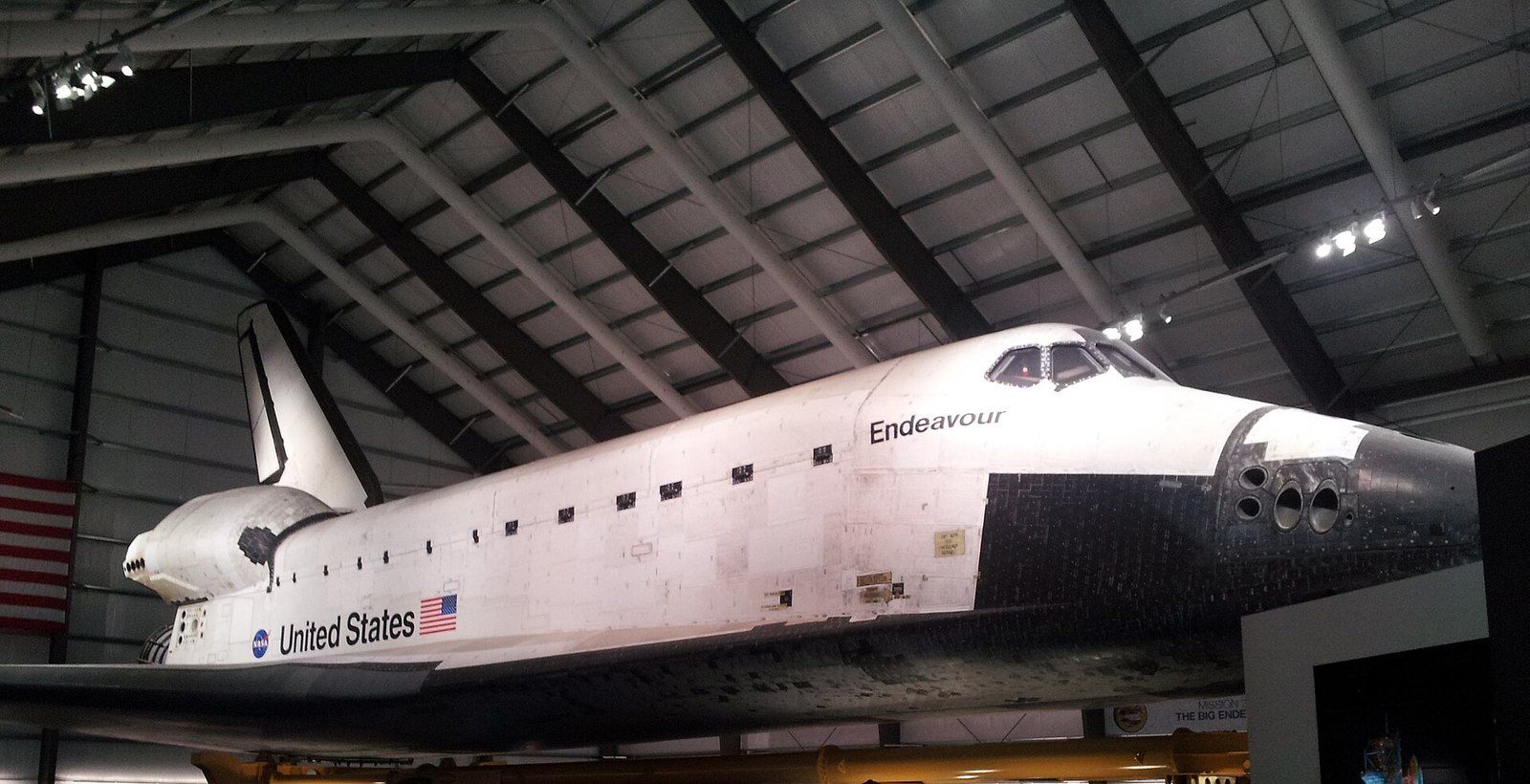
Aerospace in Southern California
From the 1910 air meet to Douglas, Apollo and the shuttle, a century of building flying machines between the mountains and the sea.
-
 JPL and the Local Economy
The Deep Space Network
Giant dishes in three countries and a dark Pasadena control room that turns them into one listening system.