
Mars Rovers Built at JPL
Contents
Mike Kobeissi started work in the United States at Ralph’s Grocery in La Cañada, the town where NASA’s Mars rovers are driven from the Jet Propulsion Laboratory. A landing night at the laboratory tends to follow the same pattern. Engineers sit at their consoles and wait for news of events that are already over, because the signal from Mars needs many minutes to arrive. When word finally comes that the rover is safe, the room erupts in cheering, and within minutes the first pictures of the surface come up on the screens. Public radio caught that sound when Spirit landed in 2004, and the Los Angeles Times photographed the same reaction in 2021.2 6
Sojourner and the airbag landing
The line of rovers began with a small one. Mars Pathfinder, launched on December 4, 1996, was designed to show that a set of science instruments could be delivered to Mars at low cost. JPL’s mission page describes its rover, Sojourner, as the first wheeled vehicle used on any other planet, and the foundation for the rovers that followed.1 Pathfinder came down inside a cushion of airbags, and the airbag system and a lander that opened like petals were later reused, in various forms, to put other rovers on the surface. Sojourner was planned for seven days of work and lasted 83, photographing the terrain and taking chemical and atmospheric readings. The mission’s instruments included a camera on the lander, an atmospheric structure and weather package and an alpha proton X ray spectrometer for reading the makeup of rocks and soil.1
The search those rovers served had a longer history. In 1971 photographs from Mariner 9, the first spacecraft to orbit another planet, showed dry river valleys and channels cut into the cratered plains, the first real scientific reason to think Mars might once have supported life. Caltech Magazine’s account of the rover program traces how later missions added overwhelming evidence that water had existed there, which raised the question of whether the planet had ever been habitable.7 The laboratory’s filmmaker John Beck made a documentary about the Pathfinder engineers, The Pathfinders, which won a gold award at the Chicago International Film Festival in 1999, as the Los Angeles Times reported.4
Spirit, planned and actual
| Planned | By April 2009 | |
|---|---|---|
| Working life | 90 days | More than five years |
| Distance | About two thirds of a mile | Five miles |
| Condition | A new rover | A broken right wheel, dusty solar panels, about 30 percent of normal power |
Spirit and Opportunity
The next pair arrived in January 2004. Spirit landed first, and a few weeks later its twin, Opportunity, came down on the other side of the planet. Both were built for missions of 90 days, and five years later both were still taking pictures and studying rocks for signs of past water, as NPR’s Joe Palca reported in January 2009.2 Red dust settling on their solar panels cut the power they could draw from the Sun and made them harder to operate. The principal investigator, Steve Squyres, described the work as the first overland expedition across another planet, and said he hoped the rovers would end by being worn out rather than by an accident or lost funding. He admitted the science team was tired, and kept it going by setting new goals, such as sending Opportunity five miles across the plain to a crater worth a closer look. He was also blunt that the courage people saw in the machines was their own: the rover feels nothing, and the emotions belong to the team that built it and the public that follows it.2
By April 2009 Spirit had driven five miles, against a planned two thirds of a mile, but the Washington Post found it badly worn: a broken right wheel, dust on the solar panels, power at about 30 percent of normal and several sensors and programs misbehaving.3 Opportunity lasted longer still. In June 2018 it was riding out a severe dust storm, and Popular Mechanics described watching the public feed of the Deep Space Network for any sign of it. The feed showed an antenna at Canberra in contact with Mars, but an operations officer there explained that one dish often serves several Mars spacecraft at once, and JPL reported no change in the rover’s status. The same officer noted that Mars rovers work to a daily rhythm set by the two planets’ rotations, taking commands in the Martian morning and sending data later in their day.8
Curiosity's landing in numbers
- From the top of the atmosphere to the surface
- 7 minutes
- For the rover's signal to reach Earth
- 14 minutes
- Planned touchdown time on August 5, Pacific time
- 10:31 p.m.
Curiosity and the seven minutes
Curiosity raised the stakes. The Los Angeles Times described preparations at the laboratory in La Cañada Flintridge for a touchdown planned at 10:31 p.m. on August 5, 2012. In the laboratory’s short film Seven Minutes of Terror, the engineer Adam Steltzner explained that the rover needed seven minutes to get from the top of the Martian atmosphere to the ground, while its signal needed 14 minutes to reach Earth, so the vehicle would already be safe or lost by the time the first word arrived.4 The film’s maker said he wanted viewers to grasp how risky the landing was and to see the engineers as vulnerable people. The video drew more than 590,000 views on YouTube within weeks, a surprise for an agency long known for dry communication built on facts and figures rather than people.4 What it promoted was, in Caltech Magazine’s phrase, a car sized rover carrying a full geochemistry laboratory, sent to settle whether Mars had ever offered the conditions life needs.7
The rover that landed was a six wheeled machine of about a ton, and within minutes it was sending pictures home, NPR reported a year later, likening the mood in mission control to winning a championship, a lottery and a Nobel Prize on the same day. One of its central aims was to learn whether such a place could ever have been hospitable to life. Gale Crater had been chosen because it looked like a place where ancient rivers once spilled onto a plain. Curiosity drilled into a rock nicknamed John Klein, and the deputy project scientist, Ashwin Vasavada, said the minerals in the sample form only in water, and in water friendly to life. The rover then began a five mile trek to the foot of Mount Sharp, a mountain about 3.4 miles high in the center of the crater. Steltzner’s team, studying the descent data, found the rover had landed slightly slower than expected and traced the difference to a local gravity anomaly.5
What Curiosity read in Mount Sharp
- Crater floorClay minerals, neutral chemistry and low salinity point to an ancient lake
- Lower slopesFinely laminated layers, hundreds of thousands of them, record long lived lakes
- Higher upClays give way to sulfate bearing sandstones as the planet dries
- SurprisesWave ripples in stone, a later river channel and a deposit of pure sulfur
The mountain itself carries a Caltech name, informally honoring Robert Sharp, a former chair of the university’s geology division, and its layered rock spans billions of years of Martian time. Vasavada later recalled walking back to his office on landing night feeling the spotlight move from the engineers to the scientists.7 On the mountain the record grew richer. Vasavada, by then the project scientist, said in a 2025 lecture reported by Caltech Magazine that the lower slopes hold hundreds of thousands of fine layers laid down in long lived lakes, that higher up clay minerals give way to sulfate bearing sandstones as the planet dried, and that the climb turned up wave ripples preserved in stone, a river channel cut into younger rocks and an unexplained deposit of pure sulfur. The mission found not one habitable setting but a record of habitable environments that probably lasted millions of years. The same work sharpens the models used to understand how climates change on Earth as well.7
Perseverance in Jezero Crater
The newest rover landed on February 18, 2021, at 12:55 p.m. Pacific time, after a trip of 293 million miles. Perseverance weighed 2,260 pounds, and its six wheels came down in Jezero Crater, a former lakebed once fed by flowing water that scientists say could have been a welcoming home for microbes. If they are right, the remains of those microbes should lie in the sediments there, and finding evidence of ancient life is the mission’s purpose.6
Set side by side, the rovers show what changed. Sojourner was a small test of a low cost landing; Spirit and Opportunity were twins meant for 90 days; Curiosity weighed about a ton and Perseverance more than that.1 2 5 6 Landings moved from airbags to a seven minute sequence the laboratory itself called terror.4 What did not change is the question. From Mariner 9’s dry channels to Jezero’s lakebed, every rover has been aimed at the same problem of water and habitability, and each has been run from the same mission control in the foothills, where the cheering on landing night sounds much as it did in 2004.7 2 How the laboratory itself is managed is covered under JPL and Caltech.
References
- NASA Jet Propulsion Laboratory. Mars Pathfinder / Sojourner Rover, 2021 12 21.
- NPR. NASA's Mars Rovers Still Making Tracks, 2009 01 03.
- The Washington Post. Spirit Is Ailing But Still Running, 2009 04 20.
- Los Angeles Times. Behind JPL's '7 Minutes of Terror' video on risky rover landing, 2012 07 12.
- NPR. A Year On Mars: What's Curiosity Been Up To?, 2013 08 05.
- Los Angeles Times. NASA’s Perseverance rover makes safe landing on Mars, 2021 02 18.
- Caltech Magazine. The Rocks Remember: What the Rovers Have Taught Us About Habitability on Mars, 2026 01 26.
- Popular Mechanics. The Time I Thought a Mars Rover Spoke To Me On a Barstool, 2018 06 15.
External links
See also
-
 JPL and the Local Economy
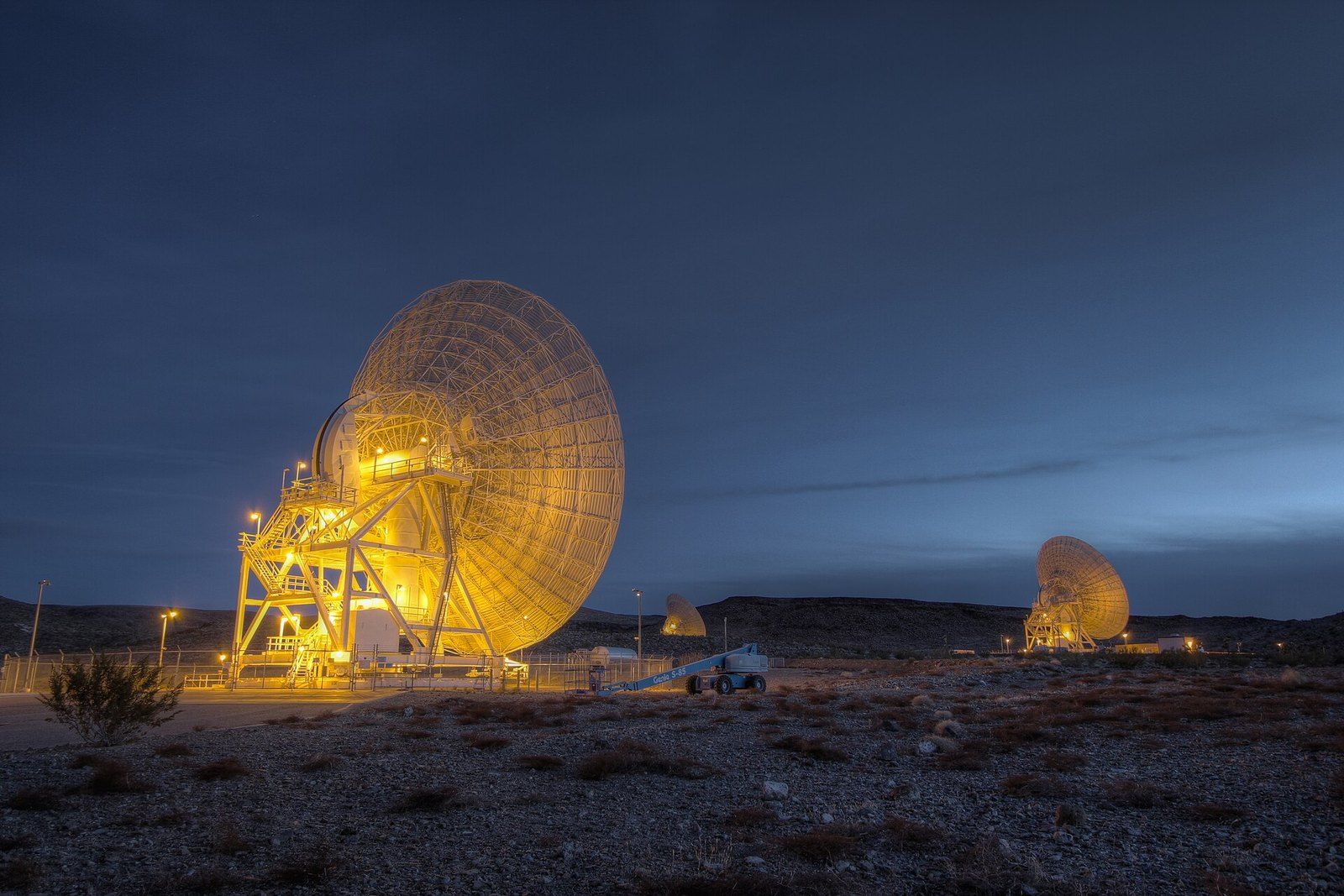
The Deep Space Network
Giant dishes in three countries and a dark Pasadena control room that turns them into one listening system.
-
 JPL and the Local Economy
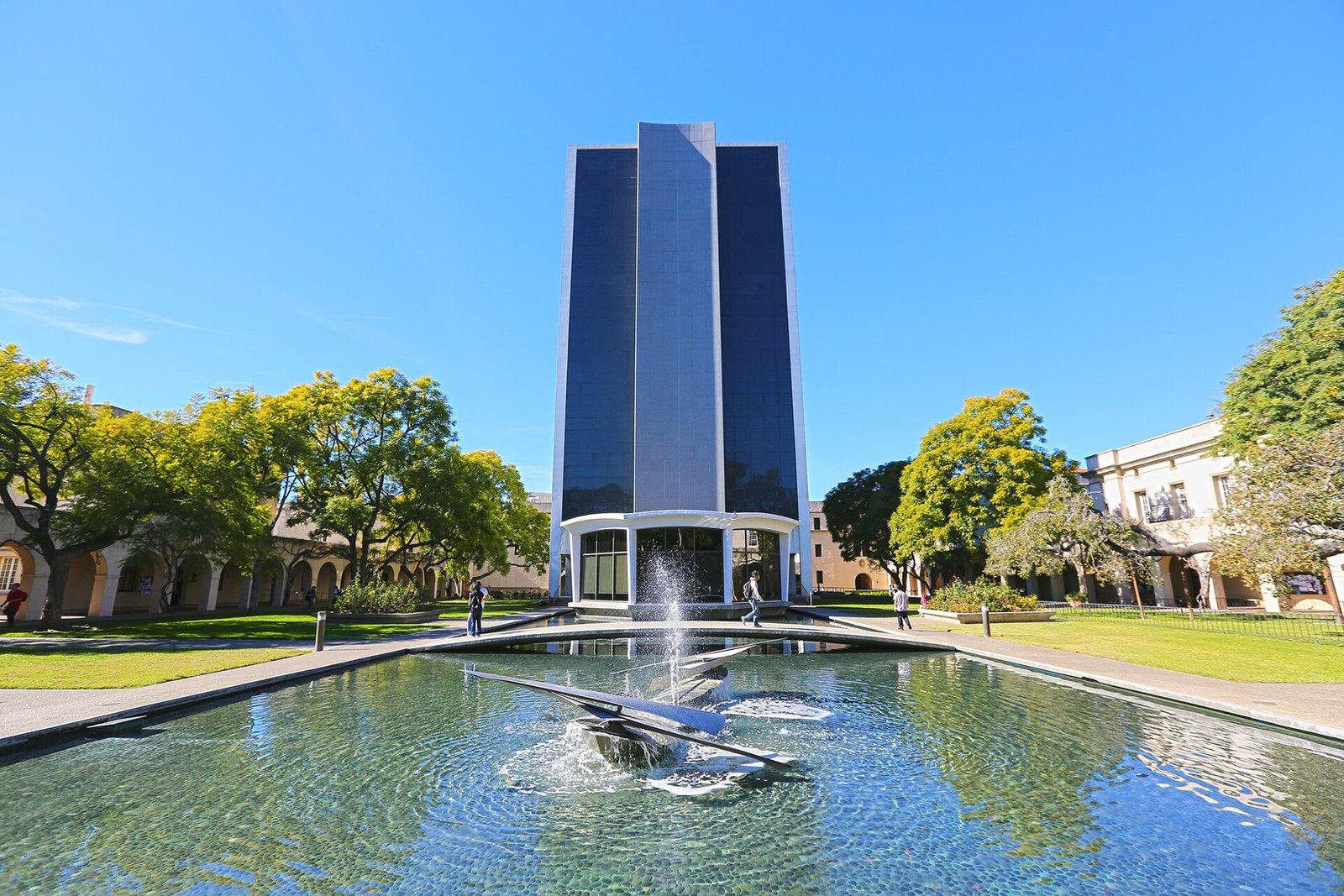
JPL and Caltech
A university in Pasadena, a federal laboratory in the foothills, and the management contract that has bound them since 1958.
-
 JPL and the Local Economy
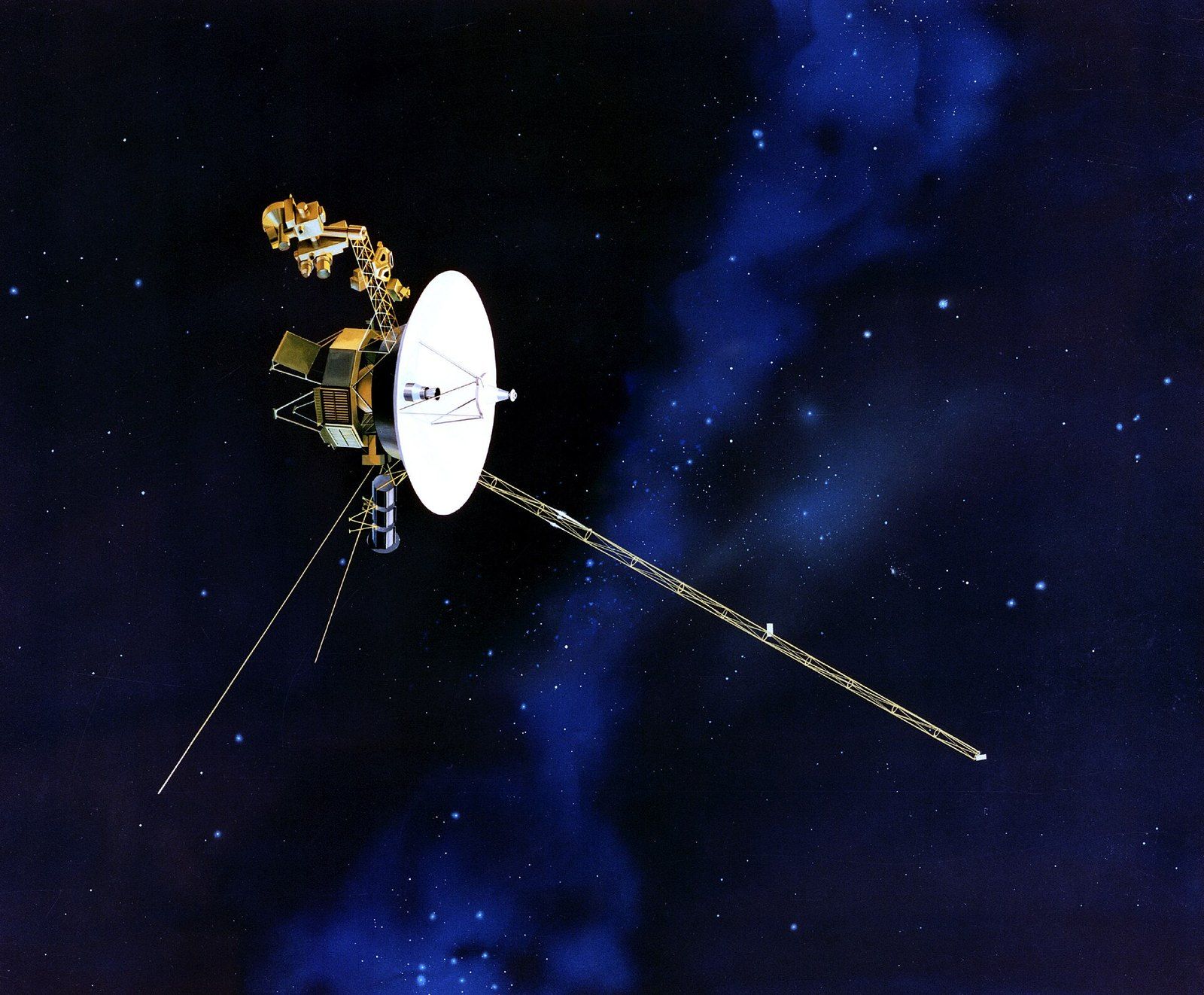
The Voyager Missions
Twin probes from 1977 that passed four giant planets and now report from beyond the Sun's bubble.
-
 JPL and the Local Economy
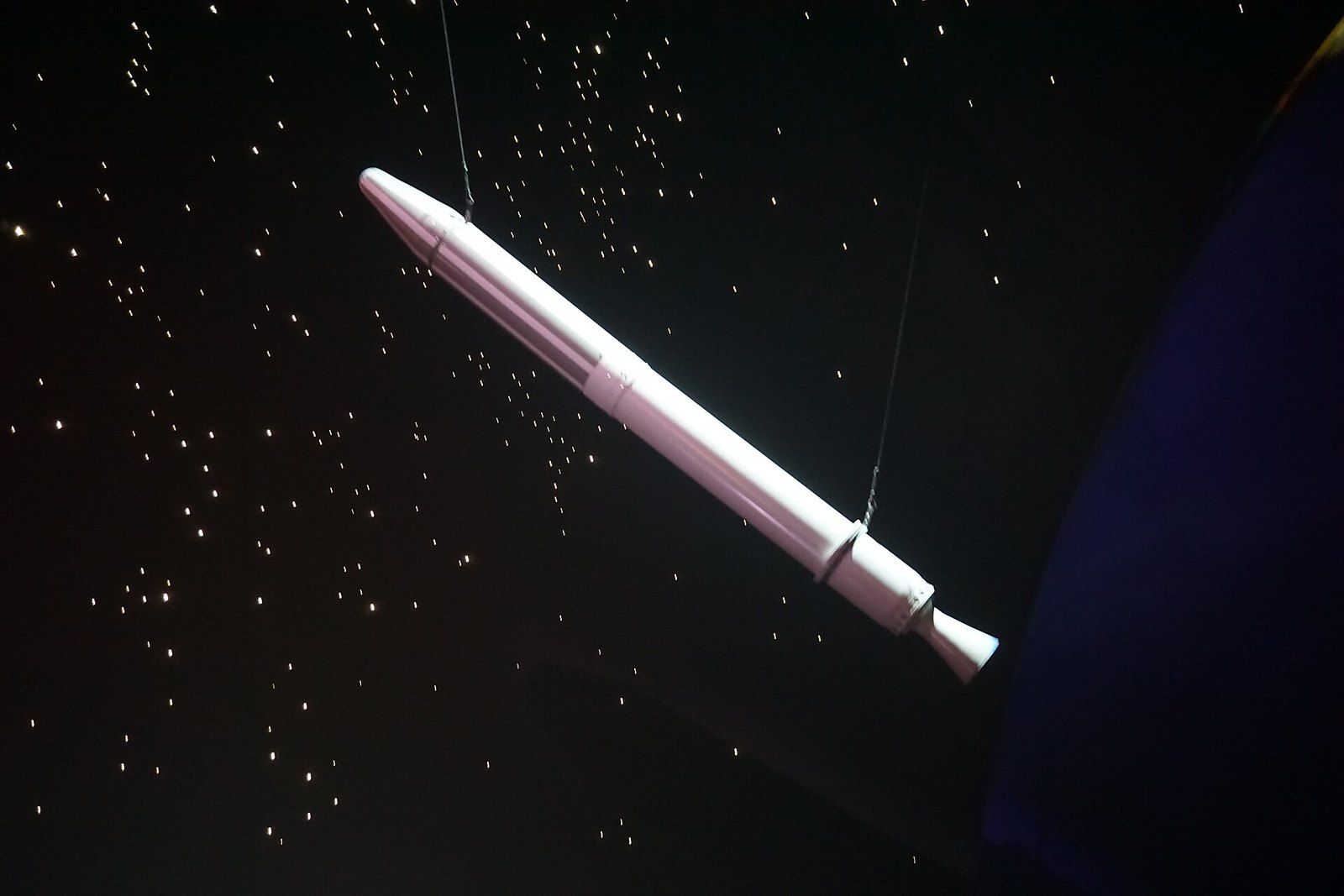
Explorer 1
Eighty four days of work, a thirty pound satellite and the first scientific discovery of the space age.
-
 JPL and the Local Economy
The Founding of JPL
A Halloween motor test, Army contracts and a cautious name: the early years of the laboratory above Pasadena.