
Aerospace in Southern California
Contents
Mike Kobeissi began his working years in the United States at Ralph’s Grocery in La Cañada, a town that also holds the Jet Propulsion Laboratory. Aerospace, in the definition used by the California State Library’s research bureau, covers the manufacture of civilian and military aircraft, space vehicles, guided missiles and their parts.9 In Southern California its origin is usually placed in 1910, when the first international air meet held in the United States convened in Los Angeles and hundreds of thousands of people came to watch the new flying machines, as The Huntington’s exhibition Blue Sky Metropolis recounts.7
Why flight came here
The Huntington names the region’s selling points: clear blue skies and open land that suited test flying, a petroleum industry, research universities and a large labor pool.7 Historians interviewed by Spectrum News add money to the list, in the form of financiers willing to back a risky new business, and describe three industries rising together in the decades after the meet: film, oil and aviation. Pioneers such as the Lockheed brothers, Donald Douglas and Jack Northrop built and mass produced airplanes here.4 The Huntington also credits the aeronautical community with ideas that spilled into surfboard design, hot rodding, private flying and architecture.7
Douglas in Santa Monica and El Segundo
Donald Douglas founded Douglas Aircraft near Clover Field in Santa Monica in 1921, after his earlier company’s airplane, the Cloudster, failed in its attempt at a nonstop crossing of the country, the Daily Breeze recounts. In 1932 Douglas bought the small Moreland plant at the edge of Mines Field in El Segundo, the airfield chosen in 1928 as the site of the Los Angeles Municipal Airport, and put Jack Northrop in charge, and in 1935 the Santa Monica plant introduced the DC 3, a success both with airlines and, as the C 47, in the war. Northrop left in 1937 to start his own company in Hawthorne. The El Segundo plant went on to build most of the SBD Dauntless dive bombers, the Navy aircraft whose squadrons sank all four Japanese warships present at the Battle of Midway in June 1942.1
The Douglas name in Southern California
- 1921Donald Douglas founds Douglas Aircraft near Clover Field in Santa Monica
- 1932Douglas buys the Moreland plant at El Segundo
- 1935The DC 3 enters service from the Santa Monica plant
- 1967Douglas merges with McDonnell to form McDonnell Douglas
- 1997McDonnell Douglas merges with Boeing
- 2015The last former Douglas plant, at Long Beach, closes
Metal airplanes and a growing industry
The 1930s changed how airplanes were made. Metal replaced wood as the main material, and The Huntington traces the path from Lockheed’s wooden Vega of about 1929 to the U 2 of the 1950s and the titanium SR 71 Blackbird of the 1960s.7 The geographer Allen J. Scott, writing in Research Policy, placed the roots of the later complex in the aircraft industry of Los Angeles and San Diego in the 1920s and 1930s, and showed that the first missile and military electronics work began during World War II.8 The Huntington’s exhibition also drew on papers of Ben Rich, who as head of the Lockheed Skunk Works oversaw the F 117 stealth fighter.7
The wartime peak
World War II made the region the largest producer of military aircraft in the nation, according to the Center for Land Use Interpretation.6 Douglas opened a third plant at Long Beach on September 26, 1941, a windowless factory disguised to be invisible at night; by early 1943 its around the clock workforce passed 45,000, and it built more than 4,000 C 47 transports, 3,000 B 17 bombers and 2,000 light bombers, KCET’s history of the plant notes.3 At its height the plant turned out one airplane an hour, and peak wartime employment at Douglas reached 160,000.5 In Downey, the museum director told Spectrum News, the Vultee company produced 15 to 20 percent of all American airplanes of the war on a single site.4
Wartime output of the Douglas Long Beach plant
Missiles, electronics and defense contracts
After the war the big plants became centers for jets, missiles, rockets, radar and satellites.6 Scott showed that from 1940 to 1960 Department of Defense prime contracts were the main force behind the region’s growth, and that missile and electronics work expanded quickly during and after the Korean War.8 In El Segundo the Air Force’s Western Development Division worked on the first American intercontinental ballistic missile, and the Los Angeles Air Force Base opened a GPS program office in 1973, with the first GPS satellite launched in 1978. The base also ran the CORONA reconnaissance program, whose satellites dropped film capsules by parachute for aircraft to catch in midair near Hawaii.4
Apollo and the shuttle in Downey
In 1961 North American Aviation in Downey won the contract for the Apollo spacecraft, and its site grew to 35,000 employees on ground twice the size of Disneyland. The same company, renamed Rockwell International, later won the space shuttle, and Spectrum News reports that all of the Apollo spacecraft and all of the shuttles were designed and built there.4 Much of the Apollo design work was done with pen, paper and slide rules at rows of large metal desks, and finished capsules were flown to Florida; a shuttle later made the same trip on the back of a 747. Earlier, at Edwards Air Force Base in the Antelope Valley, Chuck Yeager broke the sound barrier in 1947.4
Milestones from the region's factories and bases
- 1947Chuck Yeager breaks the sound barrier at Edwards Air Force Base
- 1961North American Aviation in Downey wins the Apollo spacecraft contract
- 1973The GPS program office opens at Los Angeles Air Force Base
- 1978The first GPS satellite is launched
- Shuttle eraRockwell International, formerly North American, builds the space shuttles in Downey
The laboratory in the foothills
The Center for Land Use Interpretation calls the Jet Propulsion Laboratory, east of downtown Los Angeles, the birthplace of American rocketry and space missions, and lists the Goldstone tracking station in the Mojave among the region’s desert sites.6 Its origins are told under the founding of JPL, its tie to Caltech under JPL and Caltech, and the Goldstone dishes under the Deep Space Network.
Mergers and contraction
The industry shrank after the Cold War. Douglas merged with McDonnell in 1967, and McDonnell Douglas merged with Boeing in 1997.1 In 1990 the Long Beach site laid off 8,000 of its 49,000 workers.5 Boeing ended production of the last Douglas designed commercial jet in 2006.3 By 2010 the Boeing plant there, which built the C 17 cargo jet with about 5,000 workers, was described by NPR as one of the last vestiges of the region’s aerospace industry.2 KCET put the earlier scale plainly: one in ten aerospace jobs in the country were once in California, and more than 130,000 people worked in aerospace manufacturing in Los Angeles County during the Cold War.3 The C 17 line closed in 2015. Over 65 years of aircraft production more than 15,000 airplanes were built on the Long Beach site, and much of the land became the 220 acre Douglas Park business campus, as the Long Beach Business Journal records.5
California aerospace in 2011
- Value of aerospace goods made in California
- Over $31 billion
- Share of the state's transportation equipment manufacturing
- 72 percent
- California's share of national aerospace output
- 17 percent
What remains unsettled
The industry has not disappeared. California made more than $31 billion in aerospace goods in 2011, more than 72 percent of its transportation equipment manufacturing and 17 percent of the national total.9 What is unsettled is its shape. The State Library pointed to commercial spaceflight and drones as the new growth areas, noting that SpaceX and Scaled Composites were founded in California and that the Mojave Air and Space Port was the first site in the country certified as a spaceport.9 KCET observed that most remaining jobs are technical rather than fabrication, and that how well people will live without the old assembly line jobs is hard to foresee.3 The Center for Land Use Interpretation describes some former sites still being erased while others keep running on defense and communications demand.6 Former plant ground such as Douglas Park now carries other uses, and anyone weighing a specific parcel on land like it should rely on their own advisors.
References
- Daily Breeze. South Bay History: Douglas Aircraft’s plant in El Segundo played a key role in World War II, 2026 05 18.
- NPR. Workers Fear End Of Boeing's C 17 Cargo Plane, 2010 04 26.
- KCET. This is the End of Building Planes in Long Beach, 2013 09 20.
- Spectrum News. How SoCal reached for the stars: A history of aerospace advancements, 2023 03 09.
- Long Beach Business Journal. The Storied History Of Douglas Park, 2018 05 07.
- Center for Land Use Interpretation. Aerospace in Southern California.
- The Huntington. Blue Sky Metropolis: The Aerospace Century in Southern California.
- Research Policy. The aerospace electronics industrial complex of Southern California: The formative years, 1940 to 1960, 1991 10 01.
- California State Library. Briefly Stated: Aerospace Manufacturing in California’s Economy.
External links
See also
-
 JPL and the Local Economy
The Founding of JPL
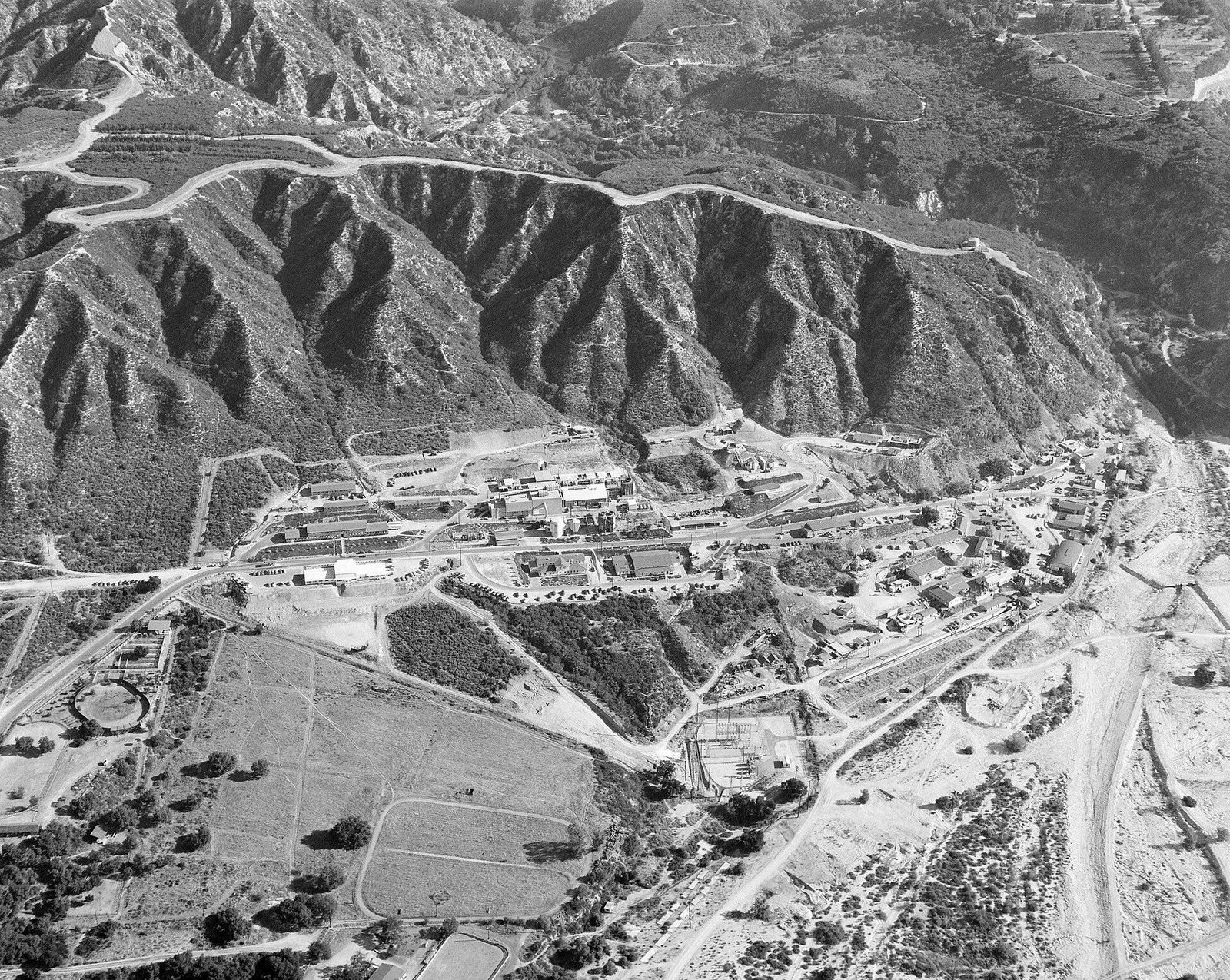
A Halloween motor test, Army contracts and a cautious name: the early years of the laboratory above Pasadena.
-
 JPL and the Local Economy
JPL and Caltech
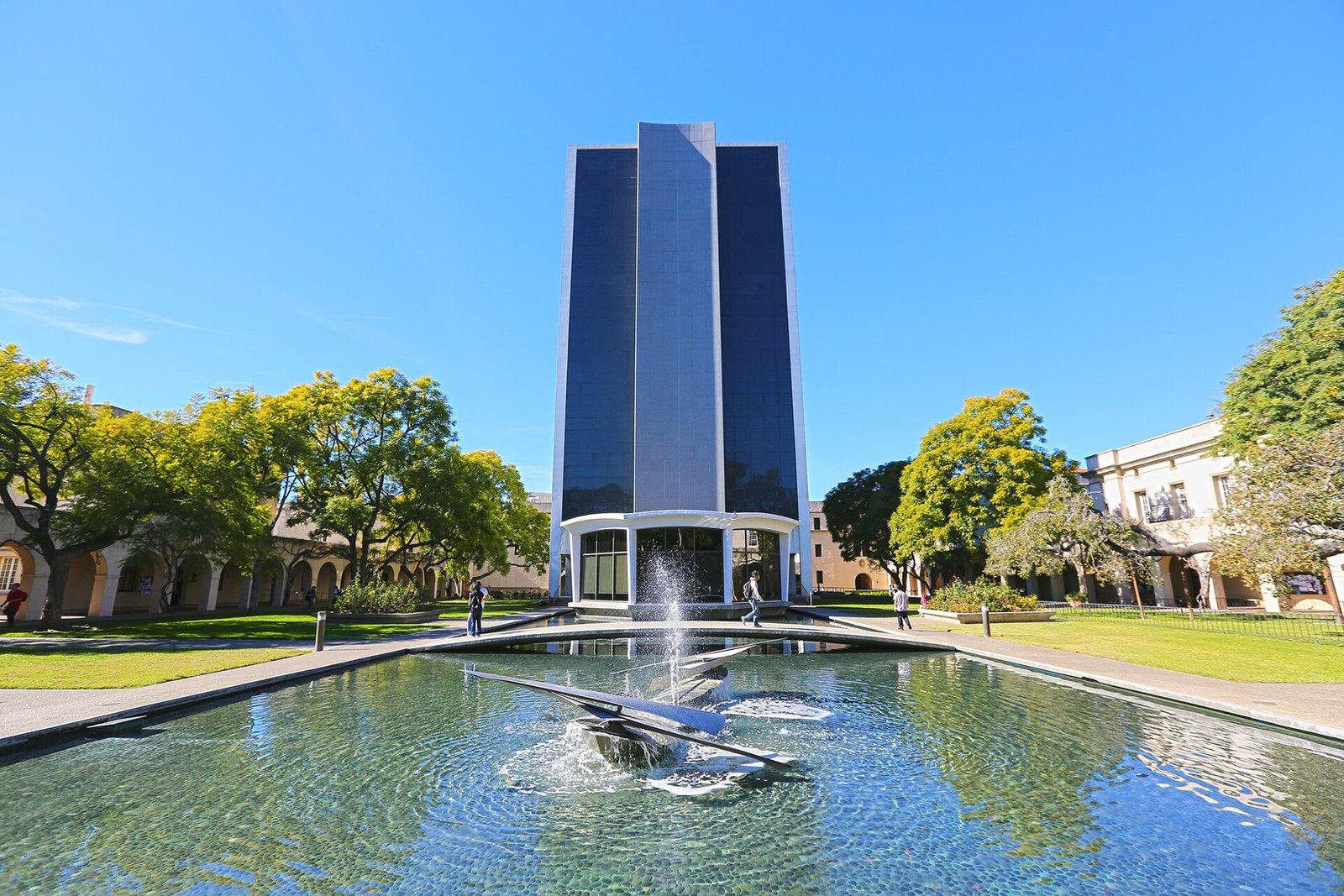
A university in Pasadena, a federal laboratory in the foothills, and the management contract that has bound them since 1958.
-
 JPL and the Local Economy
The Deep Space Network
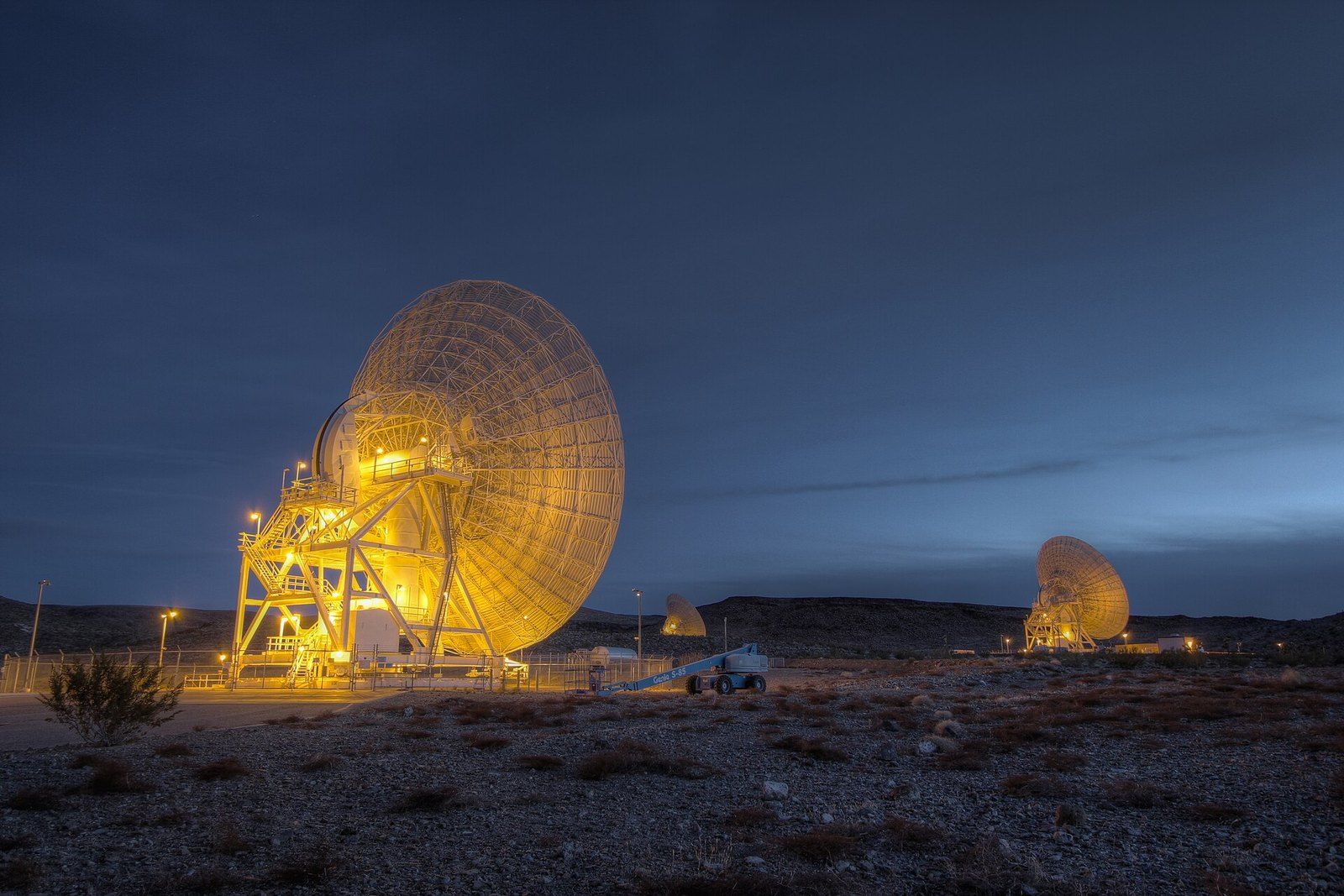
Giant dishes in three countries and a dark Pasadena control room that turns them into one listening system.
-
 JPL and the Local Economy
Explorer 1
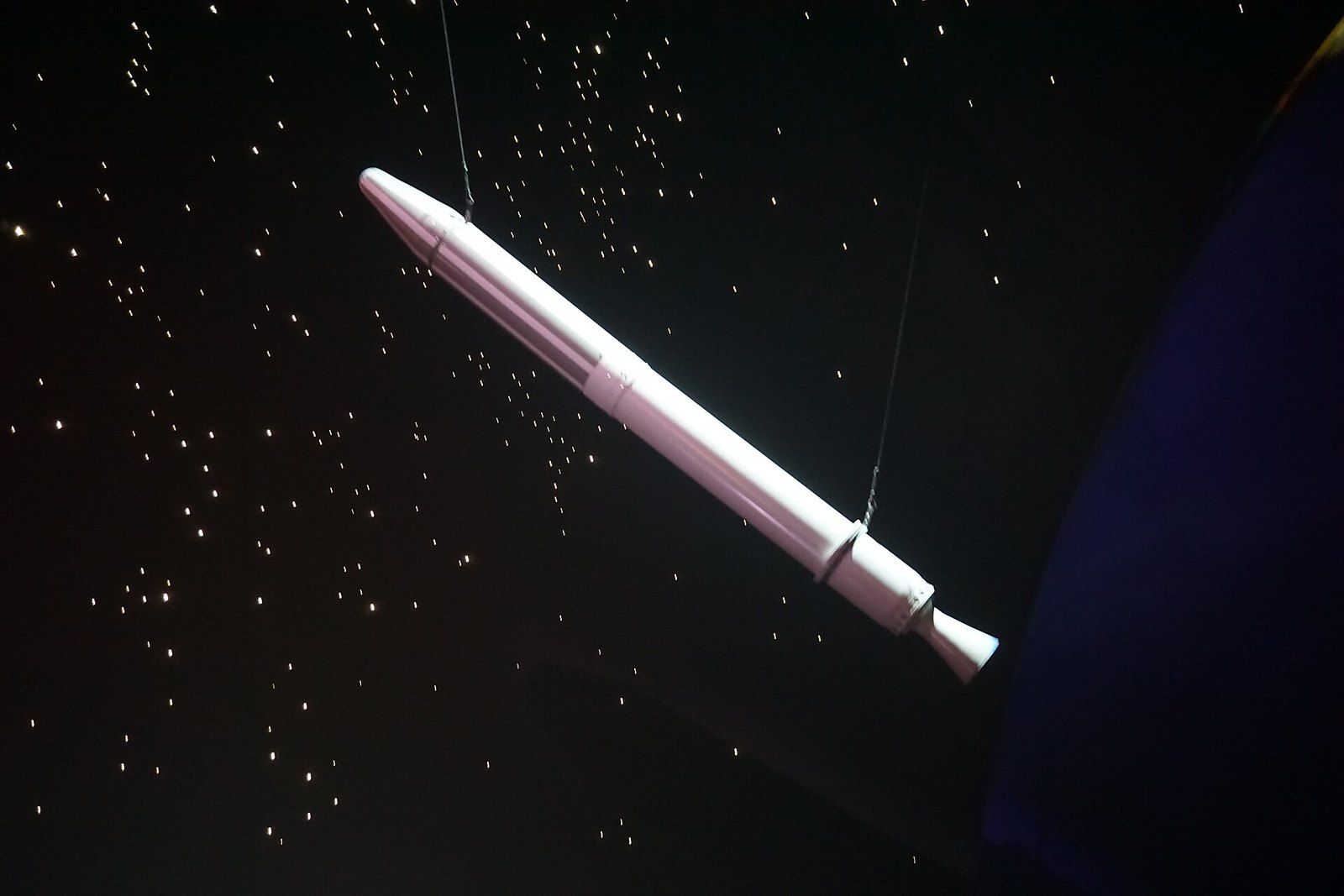
Eighty four days of work, a thirty pound satellite and the first scientific discovery of the space age.
-
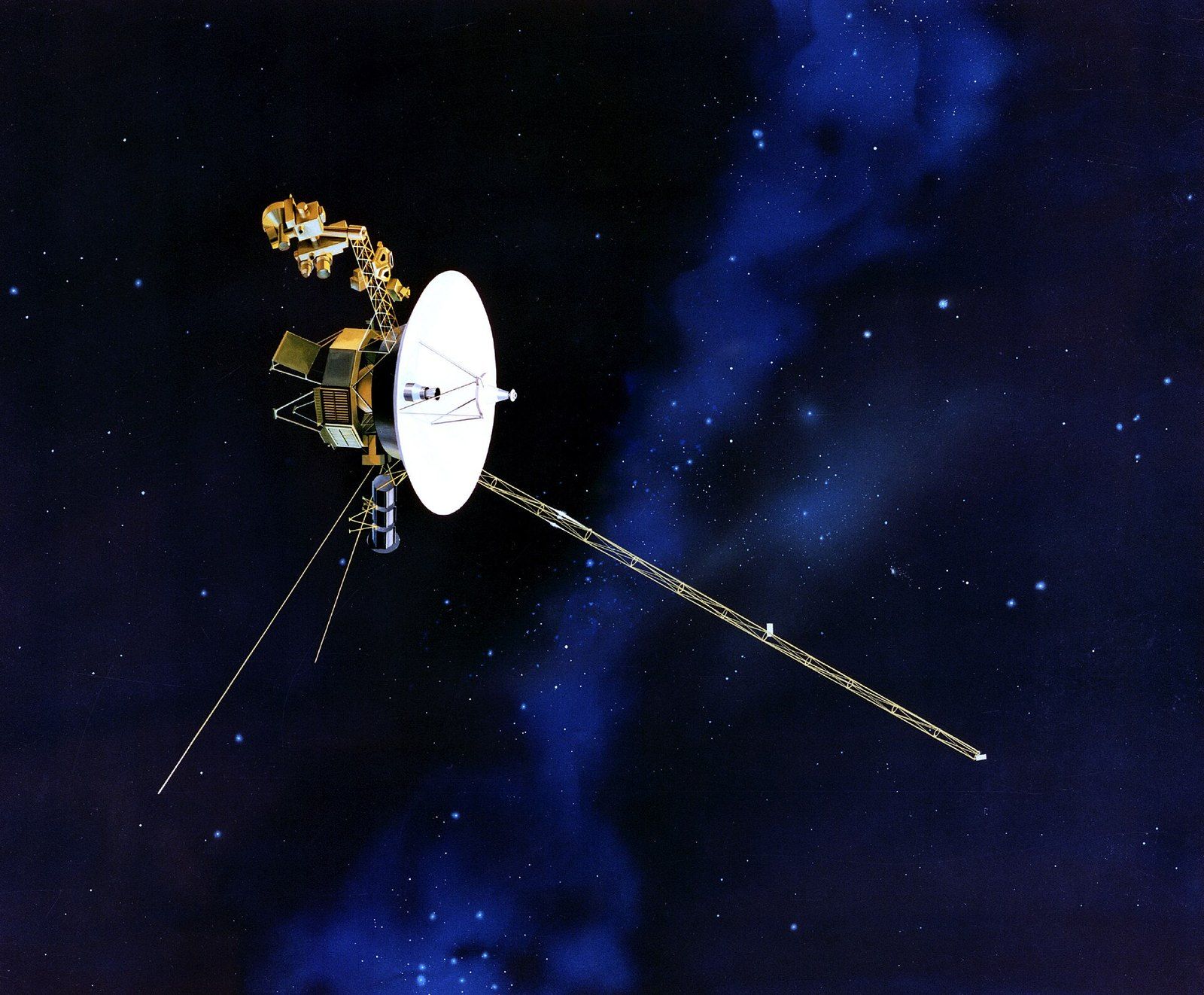 JPL and the Local Economy
The Voyager Missions
Twin probes from 1977 that passed four giant planets and now report from beyond the Sun's bubble.