
Replacing the Lawn
Contents
Remodeling and selling, building and buying: Mike Kobeissi’s work covers each, with guidance on design, staging and renovation; replacing the lawn is a design question that begins with a measurement. Lawn is counted in square miles of land and gallons of water. The historian Ted Steinberg, author of a history of the American lawn, told NPR’s Consider This that the country holds roughly 63,000 square miles of it, about the land area of Florida, which makes turf one of the nation’s leading crops.2 Sunset’s guide to replacing lawns adds the inputs: on average, lawns in the United States use ten billion gallons of fresh water a day and 90 million pounds of pesticides a year.6 A research ecologist with the United States Forest Service put the number of yards at about 110 million.2
A postwar ideal
The green front yard is younger than it looks. Consider This traced its rise to the suburbs built after the Second World War, above all Levittown on Long Island, built between 1947 and 1951, where Steinberg says the developers wrote into the deeds a requirement that owners mow at least once a week during the growing season.2 The bright, weed free lawn went hand in hand with ideas of the American dream, and an earlier NPR report from Los Angeles called it a 20th century symbol of wealth.1 A 2014 KCET report on Mar Vista made the same point about the front lawn in particular: it gets little foot traffic, is mostly decorative, and serves many owners as a marker of status and pride.4
An import to a dry climate
Southern California sold itself on the idea that anything would grow. A KCET series on gardens after the lawn opened with an 1891 Los Angeles Times description of the San Gabriel Valley, carpeted in green with roses and orange blossoms the year round, and answered that the claim was never true; it held up as long as it did, the series argued, because aqueducts kept garden hoses full.3 The same series summarized a study by the horticulturist Bob Perry of a three acre park in a climate zone matching the City of Los Angeles. In a normal year of about 15 inches, rain met barely a tenth of the site’s water needs. Lawn covered a third of the park and took roughly half of all the water, while the Mediterranean and native planting on another third took a little more than a sixth, and tall fescue needed fourteen times what the rain supplied.3 Dry spells come and go in this climate, but the arithmetic of the park holds in an ordinary year.
Who drinks the water in a Los Angeles park
What a lawn does and does not do
The ecological case against turf is mostly about structure. The Forest Service ecologist, Susannah Lerman, explained on Consider This that a lawn is short grass with little variety and therefore few places for wildlife to feed or shelter, unlike the layers of a forest. Lawns also run warmer and drier, and she said the carbon released from the lawn itself is about 40 times what comes from mowing it.2 Use is the other question. Sunset cites a University of California, Davis study that found the average child in Southern California uses a residential lawn about 40 minutes a week and the average adult about ten.6
The American lawn by the numbers
- Fresh water used on United States lawns each day
- 10 billion gallons
- Pesticides applied to lawns each year
- 90 million pounds
- Weekly lawn use by an average Southern California child
- 40 minutes
- Weekly lawn use by an average adult
- 10 minutes
Paying to take it out
Public money has pushed the change for more than a decade. Dwell described the Los Angeles Department of Water and Power’s turf removal program, known as Cash for Grass, as paying $2 a square foot for grass replaced with native plants, and noted that local programs grew out of statewide water efficient landscaping requirements.5 In Mar Vista, residents began digging up front lawns years before the drought of the early 2010s, and by 2014 the neighborhood’s sixth annual green garden showcase opened dozens of converted yards in walkable clusters; one featured garden had used the $2 rebate and a $200 credit for a weather based irrigation controller.4 By 2022, NPR reported, rebates from the Metropolitan Water District of Southern California had helped remove 200 million square feet of grass.1 Lerman described similar incentives across the Southwest, with Phoenix as another example.2
Taking the grass out
The usual method is sheet mulching. David Newsom of the Wild Yards Project in Los Angeles told Sunset to tear out the grass, water the ground to bring up stragglers and pull them, then cover the whole area with cardboard and three to five inches of fine organic mulch, hand watered daily until it breaks down.6 The KCET series described what follows through its composite homeowners: months after sheet mulching, compacted ground had turned spongy, beneficial fungi and bacteria had moved in, and rain soaked in instead of running off.3
Sheet mulching a former lawn
- RemoveTear out the grass by hand or with help.
- FlushWater the bare ground a couple of times so leftover grass sprouts.
- WeedPull the regrowth.
- CoverLay cardboard over the whole area.
- MulchSpread three to five inches of fine organic mulch over the cardboard.
- WaitHand water daily so the mulch breaks down into a healthy blank slate.
What grows instead
Replacements range from new grasses to full gardens. A landscape designer interviewed by Dwell recommended Carex pansa, which can be mowed to function much like a lawn, and UC Verde, a hybrid buffalo grass hard to tell from conventional turf. The gardens that use little or no imported water, the designer said, share a pattern: no non native grass, plants native or suited to similar climates in the Mediterranean basin, Australia, Chile or South Africa, deep mulch, permeable paving, trees placed for shade and some form of rain catchment.5 Mar Vista’s converted yards included a succulent garden on a short timed sprinkler cycle, an edible garden that cut outdoor water use by more than half, and a native garden watered once or twice a month.4 Lerman offered a lighter option for those keeping some grass: mow less often and let clover and dandelions bloom for bees.2 Fuller treatments of the planting side are under California native plant gardens and Mediterranean gardens.
Where the evidence is strongest
The firmest evidence concerns water and habitat. Perry’s park study measured the gap between rainfall and turf directly, and Lerman’s account of lawn as a habitat with little structure rests on how few niches short grass offers.32 The case is weaker where it depends on a single yard. Lerman conceded that one yard probably does not matter on its own and argued for the collective effect of millions of them.2 Replacements are also not free of water. A Los Angeles landscape architect’s care guide for Sunset calls for watering every three days for the first month and once or twice a week through the first spring and summer, with most plants established only after the second or third summer, and notes that even natives usually look best with some supplemental water.7 The climate behind the debate is explained under the Mediterranean climate. What to plant in a given yard, and how to go about removing turf there, are decisions for the owner together with a landscaper or other advisors of their choosing.
References
- NPR. Los Angeles should lose its lawns, some say, 2022 06 08.
- NPR. To Be Greener, Get Rid Of Your Grass: Consider This from NPR, 2023 10 06.
- KCET. After the Lawn: Assessing Your Garden's Water Needs, 2015 04 28.
- KCET. Beyond the Lawn: Mar Vista's Green Gardens, 2014 04 30.
- Dwell. Native Plants Can Transform Your Yard, And The Planet, 2014 07 14.
- Sunset. Why You Should Replace Your Lawn with Native Plants, 2022 06 08.
- Sunset. Have a Low Water Garden? Here's a Year Round Checklist to Care for It, 2023 05 25.
External links
See also
-
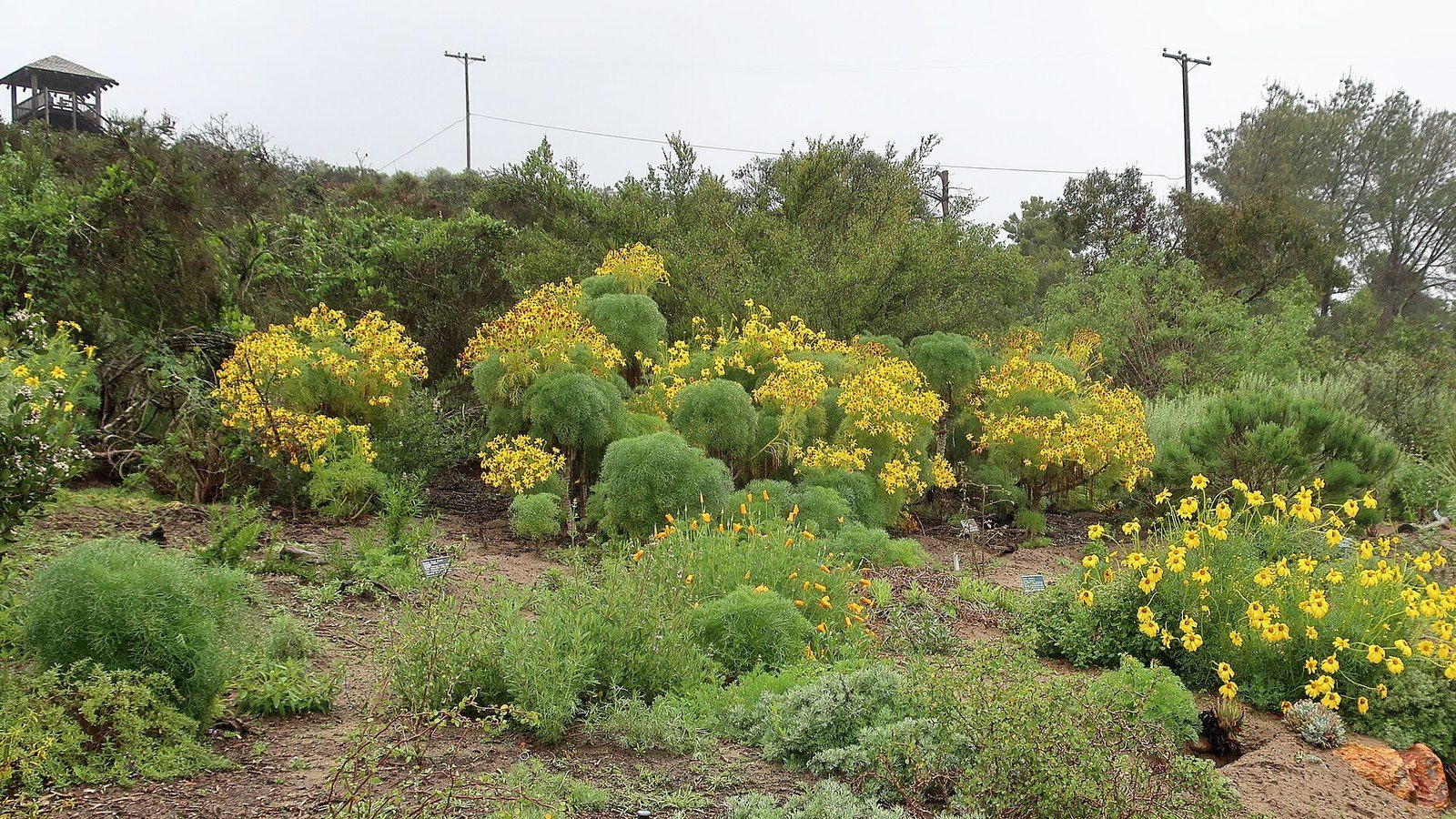 Gardens and Outdoor Living
California Native Plant Gardens
Gardens planted from the state's own chaparral, oak woodland and coastal scrub, and the seasons they keep.
-
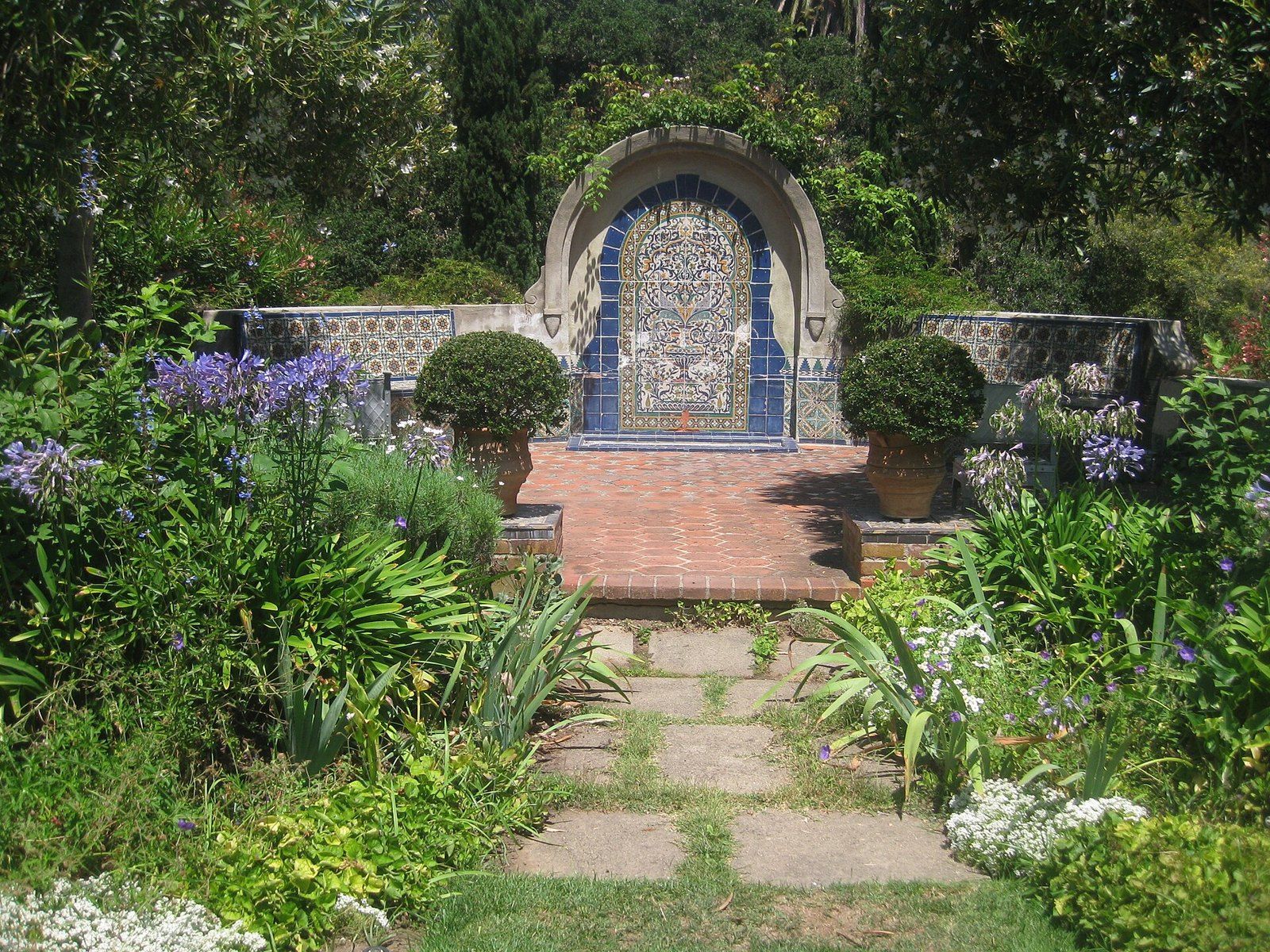 Gardens and Outdoor Living
Mediterranean Gardens
Lavender from the Basin, kangaroo paw from Australia, aloe from the Cape: a garden style built from five sister climates.
-
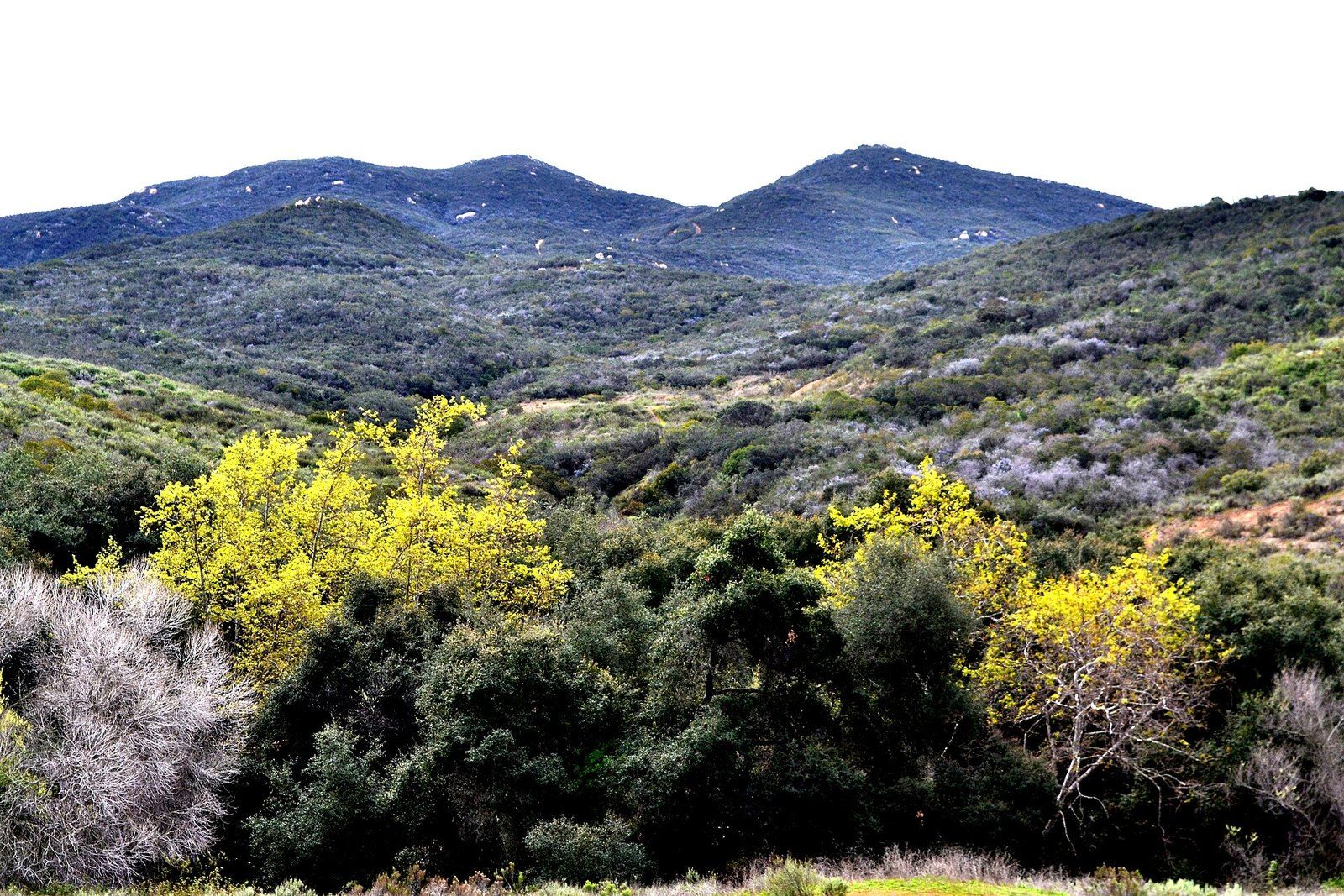 The San Gabriel Foothills
The Mediterranean Climate
Long rainless summers, short wet winters and the handful of west coast regions, from Chile to the Cape, that share them.
-
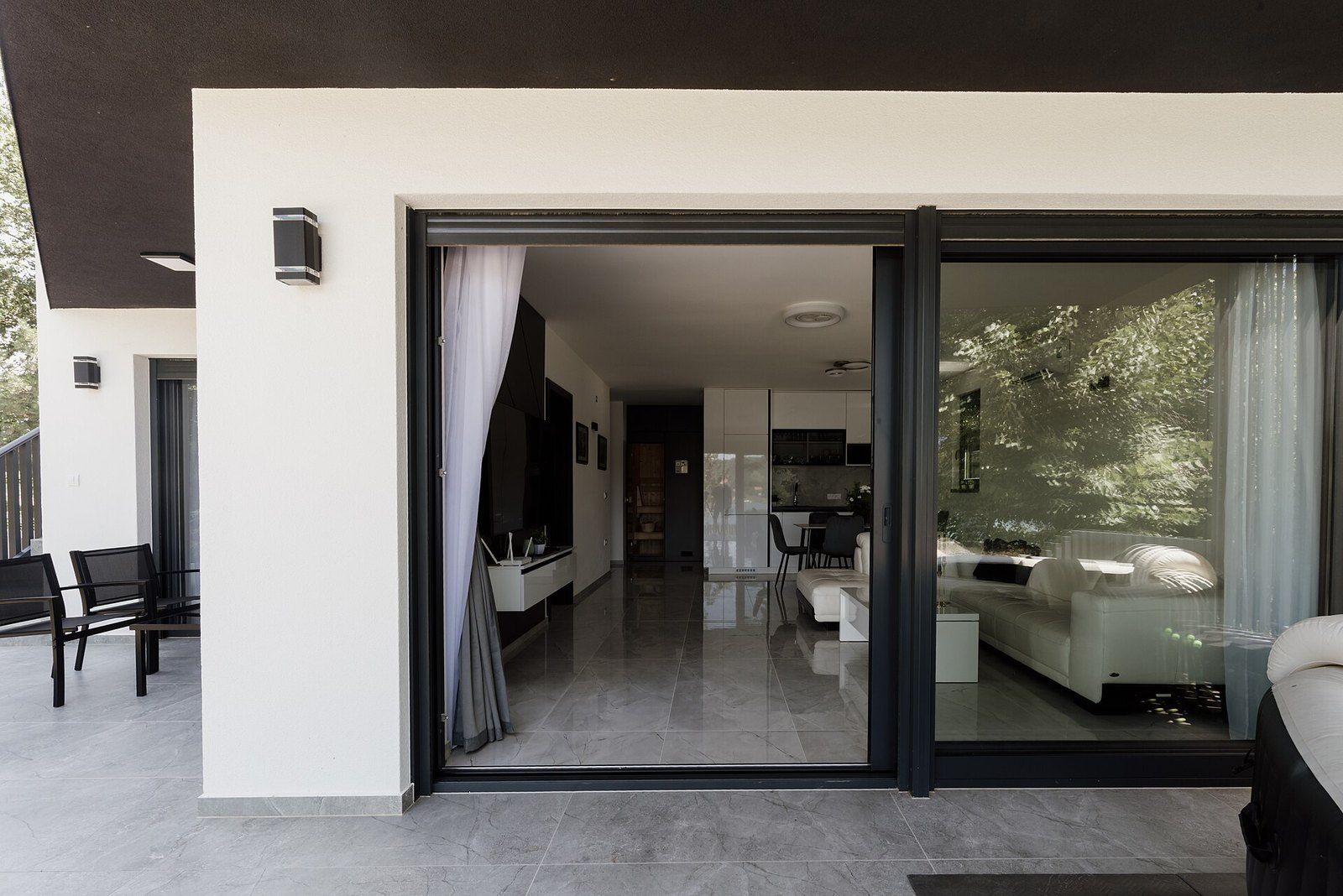 Gardens and Outdoor Living
Indoor Outdoor Living
How a wall of sliding panels and a courtyard plan turned the California yard into a set of rooms.
-
 Gardens and Outdoor Living
The Swimming Pool in Southern California
From saltwater bathhouses on the beach to a sprayed concrete basin behind the ranch house, and what it came to stand for.