
Lebanese Immigration to the United States
Mike Kobeissi was born and raised in Lebanon and came to the United States at 18, and the movement of people from Lebanon to the Americas is one that historians have spent more than a century trying to count. The units are slippery. For the early decades the records rarely say Lebanese at all. The migrants left Ottoman Greater Syria, and Mount Lebanon, the district that sent most of them, became an autonomous Ottoman unit in 1860, while the present state of Lebanon was founded only in 1920 and became independent in 1943, as a survey of the country’s emigration by the scholar Tabar for the American University in Cairo sets out.2 Arrivals in New York were therefore called Syrians, and their first neighborhood was known as Little Syria.
The totals are estimates. Akram Khater of the Khayrallah Center at NC State puts the number who left Greater Syria for the Americas between the 1870s and the 1930s at some 330,000, about 120,000 of them bound for the United States and about 210,000 for South America.1 He warns that the figures are rough because so many people went back and forth: between 1887 and 1913 about 131,000 left Lebanon for Argentina while some 83,000 came home.1 Ellis Island records show some 90,000 leaving Mount Lebanon for the United States between 1899 and 1910, and in the 1930 census only 56,389 of 147,171 Arab Americans had been born in the Eastern Mediterranean.1 The New York Public Library uses a different frame, approximately 95,000 Arabs relocating to the United States in the Great Migration of 1880 to 1924 and about 200,000 Arabs in the country by 1924.5
Counting the early emigrants
- left for the Americas in all
- 330,000
- went to the United States
- 120,000
- went to South America, mainly Argentina and Brazil
- 210,000
The newest unit is a box on a federal form. NBC News reported in 2024 that the Office of Management and Budget had added a Middle Eastern or North African category to its standards for race and ethnicity, with Lebanese among six subcategories, so that an estimated 8 million Americans tracing their origins to the region would no longer have to choose white or other.7 The report adds that migration from the region began in the late 1800s and picked up in recent decades, largely because of political turmoil.7
Why the early waves left
The older explanation was persecution of Christians by Ottoman officials and neighbors. Khater shows that the story was developed partly by newcomers seeking sympathy from immigration officials, and that the years from 1861 to 1914 were a long peace for Mount Lebanon; in the Matn district, village records show 18 percent of the Druze population leaving against 12 percent of Maronites.1 Escape from conscription is an equally doubtful cause, since non Muslims were in practice exempt from Ottoman service until 1909.1
The weight of the evidence falls on economics. The silk economy of Mount Lebanon, some 60 percent of its output by the early twentieth century, stagnated and then collapsed as prices for cocoons and thread fell in the 1890s; bad harvests struck again and again between 1876 and 1909; and the Ottoman Empire went through a depression from 1873 to 1896.1 Vaccination helped nearly double the population of the mountain between 1860 and 1911, from a little under 300,000 to more than 500,000, faster than local work could grow.1 Steamship lines and prepaid tickets eased the passage, American missionaries spread a picture of a prosperous Amirka, and letters from the first emigrants drew relatives and neighbors after them.1
Two explanations for leaving
| The older story | Recent scholarship | |
|---|---|---|
| Main cause | Persecution of Christians | Economic decline and a growing population |
| Who left | Christians fleeing neighbors | Druzes and Muslims as well as Christians |
| Military service | Escape from Ottoman conscription | Non Muslims were exempt in practice until 1909 |
| Trigger | Violence and oppression | Falling silk prices and failed harvests |
Georgetown’s Center for Contemporary Arab Studies likewise ties the mass departures around the turn of the twentieth century to the collapse of the silk industry and to intercommunal tensions, and counts around 150,000 people who went from the Eastern Mediterranean to Brazil from the late 1870s.4 Tabar finds the roots earlier, in the breakdown of the Muqata’aji system of feudal rule between 1840 and 1860, and in a small first wave of clergy sent to study in Rome and merchants bound for Egypt and the trading ports of Europe.2 An essay by Samir Khalaf, indexed in Yale’s eHRAF World Cultures, follows how the pattern of departures and the immigrants’ social and economic profile shifted between 1886 and 1914.3 The First World War brought a famine that killed nearly a third of the people of Mount Lebanon, and a smaller wave after 1919 ended in 1924, when the Johnson Reed Act sharply restricted entry.1
Little Syria and the waves that followed
The first large community grew in Lower Manhattan around Washington Street and Rector Street. Its shops tended to specialize in textiles, household goods and groceries, many owners began as peddlers, and over 300 Syrian businesses appeared in the 1908 Syrian Business Directory of New York, according to the library.5 There the linotype machine was converted to Arabic characters, Kawkab America began printing in 1892, and between 1890 and 1940 the community published more than 50 Arabic language periodicals.5
The Municipal Art Society of New York calls the old Syrian Quarter the Mother Colony from which the Arab American diaspora grew, and notes that Kahlil Gibran and Ameen Rihani founded the Pen League there; the story of Kahlil Gibran begins in that circle.6 Only three buildings from the era survive.6 The library records that the last residents were displaced in 1940 by construction of the Brooklyn Battery Tunnel, and that new waves of Syrian, Lebanese and other Arab immigrants began after the 1965 Immigration and Nationality Act lifted the old quotas.5 In Brazil the same migration produced Arabic papers, a literary circle called the Andalusian League and a lasting place for kibbeh beside local staples, a thread followed in Lebanese cuisine.4
What changed over those waves was the label and the push. Migrants once logged as Syrians from an Ottoman province can now mark Lebanese under a federal category, and the silk prices and failed harvests of the 1890s gave way to the political turmoil NBC cites for recent decades.7 What did not change, in Khater’s reading, is that each departure combined its own reasons, from economics to reuniting with family, so that no single cause explains every story.1 The entry on the Arab American National Museum follows how that history came to be collected and shown.
References
- Khayrallah Center for Lebanese Diaspora Studies, NC State University. Why did they leave? Reasons for early Lebanese migration, 2017 11 15.
- The American University in Cairo. Lebanon: A Country of Emigration and Immigration, 2010.
- eHRAF World Cultures, Yale University. The background and causes of Lebanese/Syrian immigration to the United States before World War I, 1987.
- Center for Contemporary Arab Studies, Georgetown University. From Beirut to Brazil, 2021 06 08.
- The New York Public Library. Remembering Manhattan's Little Syria, 2015 11 19.
- Municipal Art Society of New York. Remembering Little Syria: The First Arab Americans.
- NBC News. 'We exist': New Middle Eastern or North African census category helps community members feel seen, 2024 04 01.
External links
- Khayrallah Center for Lebanese Diaspora Studies, NC State UniversityWhy did they leave? Reasons for early Lebanese migration
- The New York Public LibraryRemembering Manhattan's Little Syria
- Center for Contemporary Arab Studies, Georgetown UniversityFrom Beirut to Brazil
- NBC News'We exist': New Middle Eastern or North African census category helps community members feel seen
See also
-
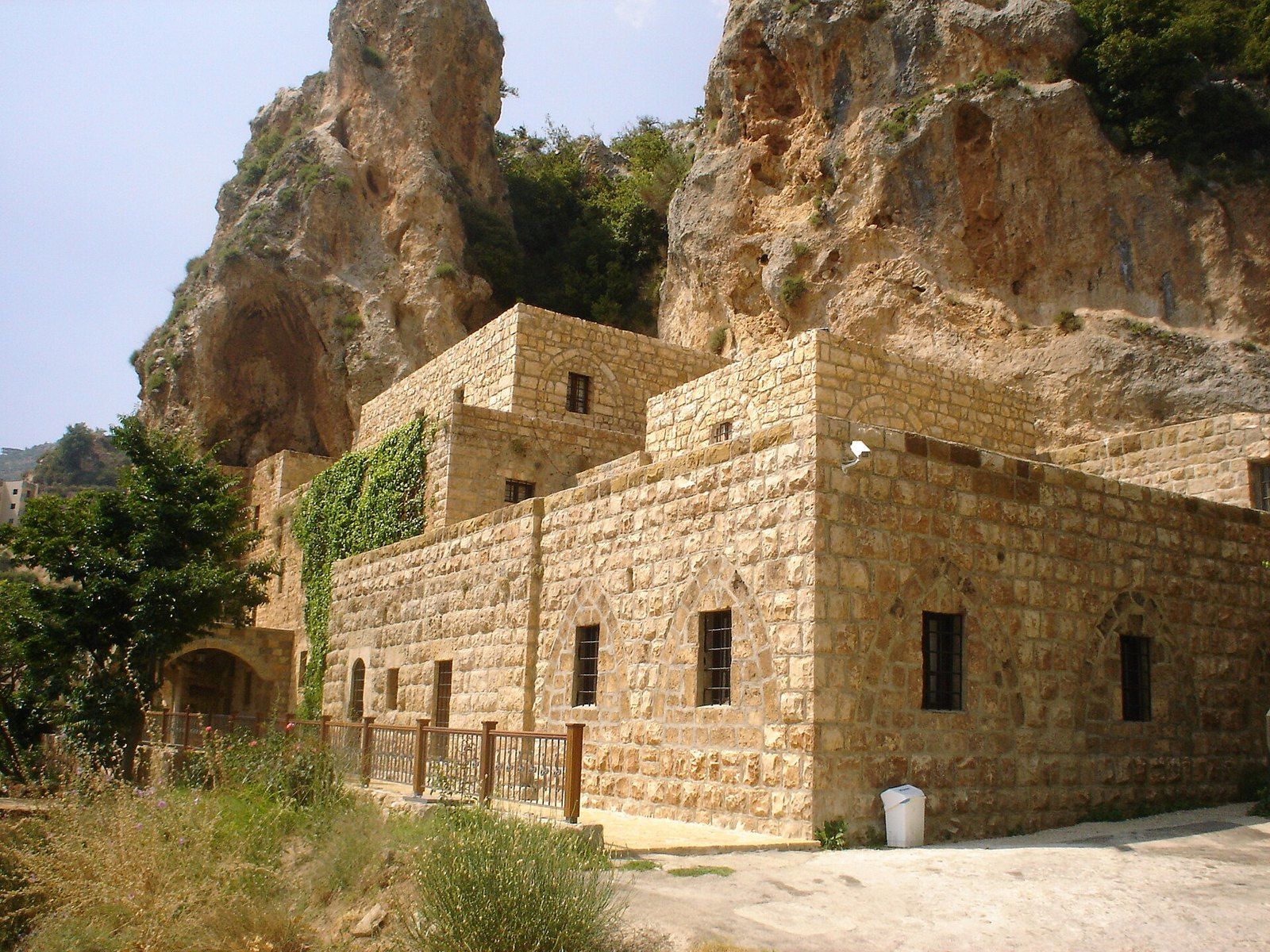 Lebanon and Lebanese America
Kahlil Gibran
A mountain village, a Boston patron, a book of sermons on love and work, and seven hundred pictures.
-
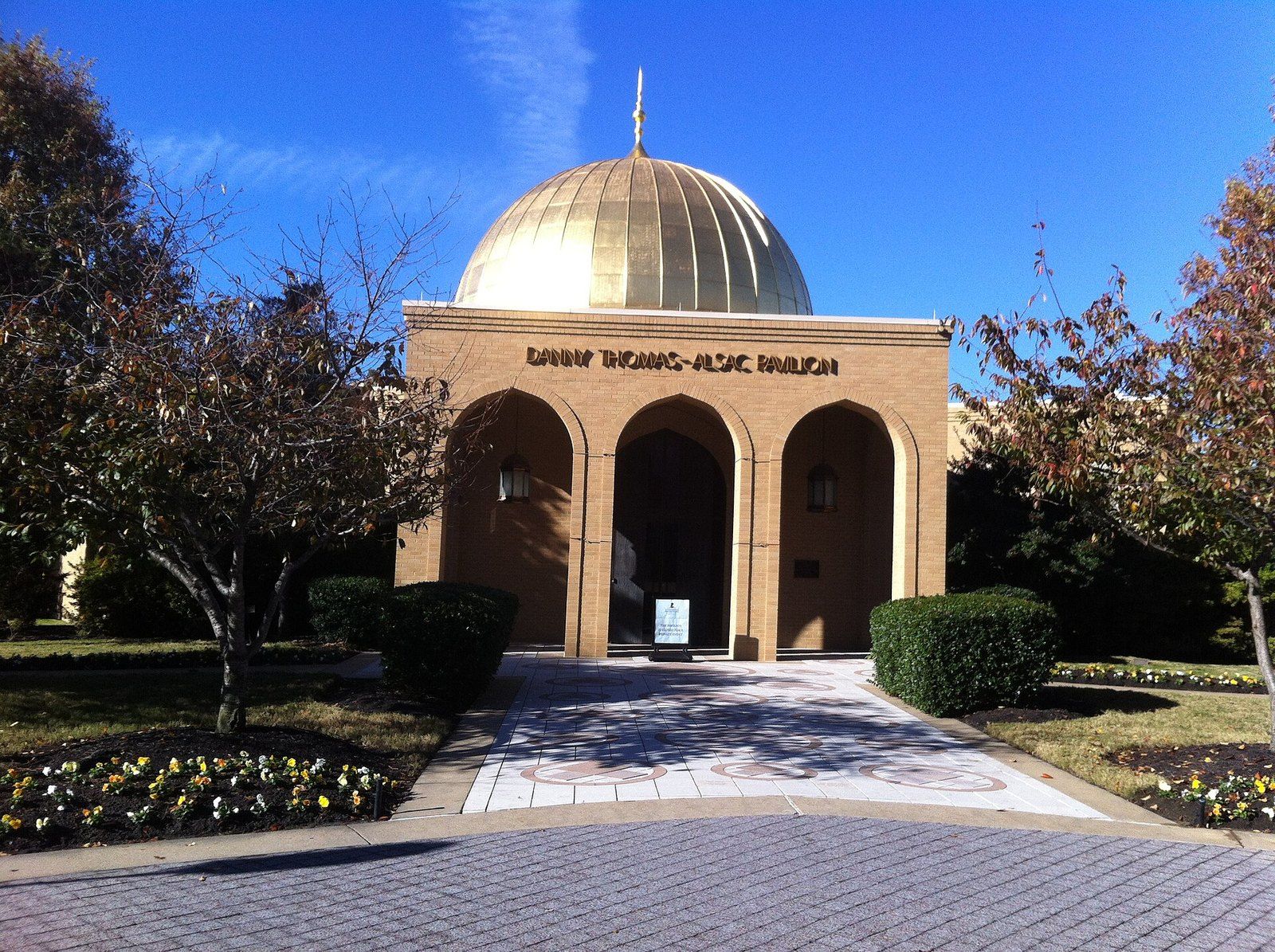 Lebanon and Lebanese America
Danny Thomas and St. Jude
A nightclub comic's prayer, a Memphis research hospital and the fundraising body Arab Americans formed to keep it open.
-
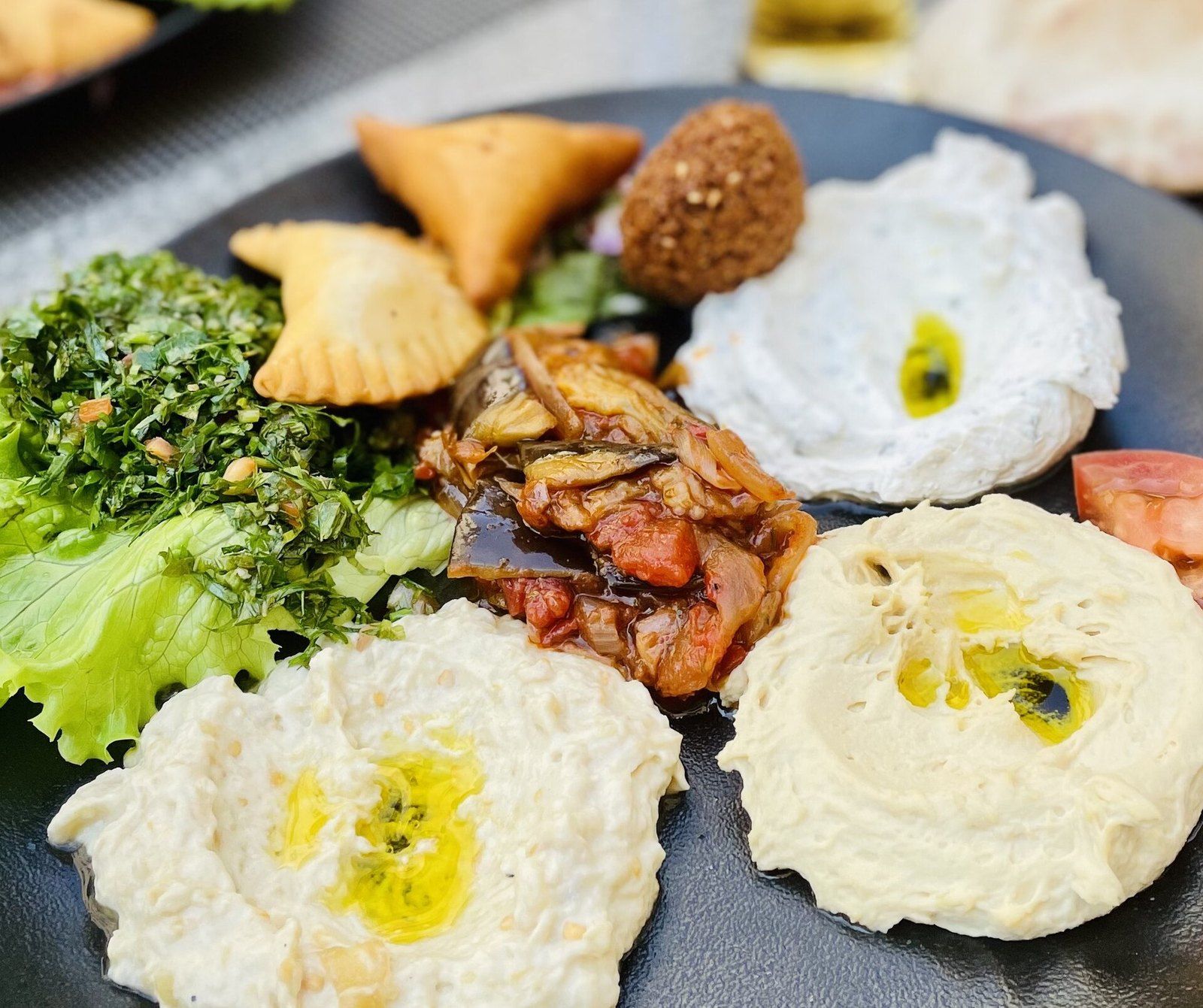 Lebanon and Lebanese America
Lebanese Cuisine
Za'atar bread at dawn, raw kibbeh on feast days, and a farmers' market that put village cooks on a city stage.
-
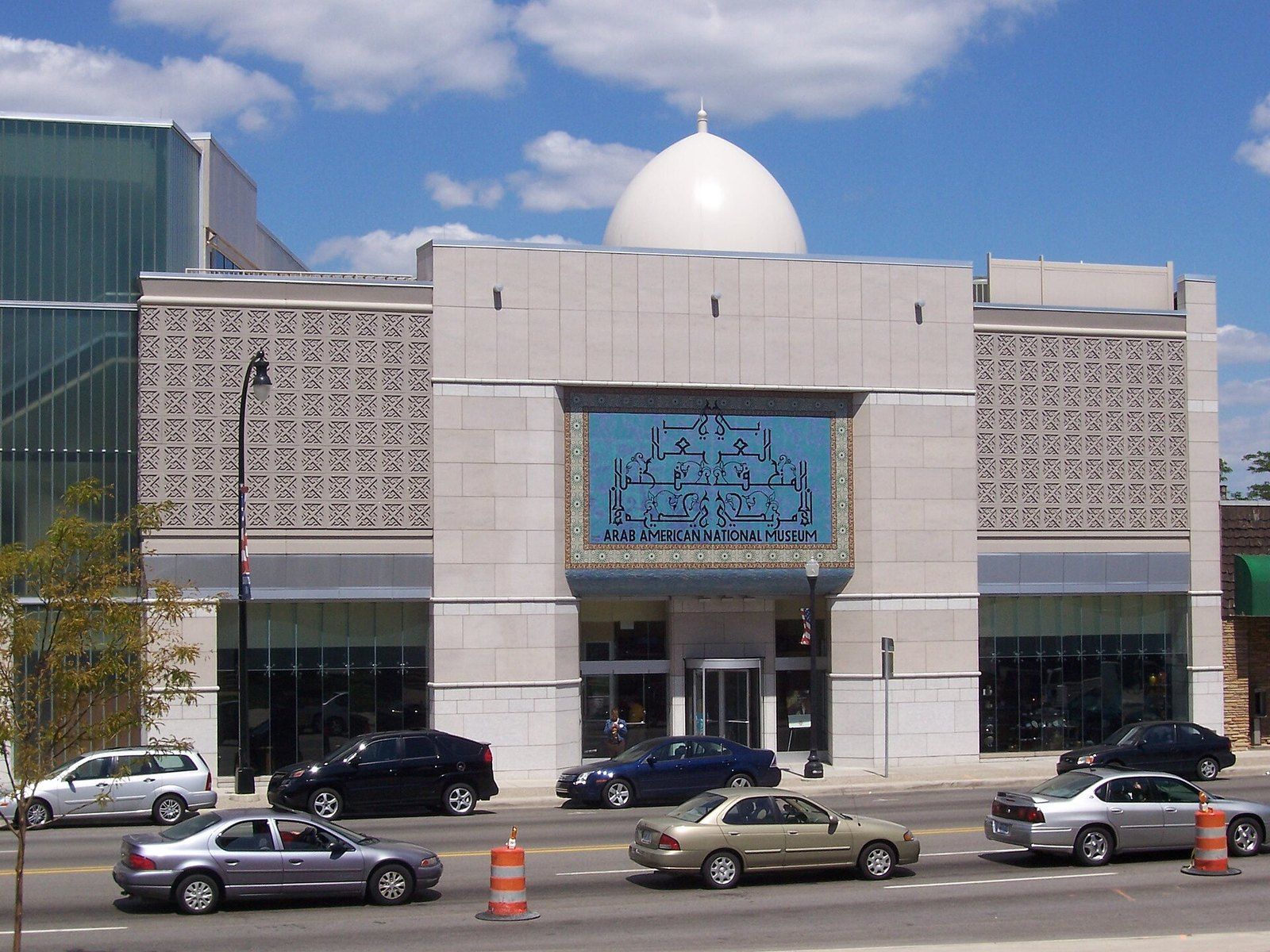 Lebanon and Lebanese America
The Arab American National Museum
A tiled dome on Michigan Avenue, every artifact donated, and a Smithsonian affiliation won in its first decade.