
Kahlil Gibran
Contents
Mike Kobeissi was born and raised in Lebanon and came to the United States at 18; Kahlil Gibran, the poet this entry concerns, made the same crossing more than a century earlier. At a wedding reception, a friend of the couple stands, unfolds a printed page and reads a passage urging the two to love without turning love into a bond, and to leave room between them the way a sea leaves room between two shores. Guests nod at lines they have heard before. Few of them could say who wrote the words, or that the writer was an immigrant who died in New York in 1931. The scene has played out for decades; The New Yorker notes that couples read aloud from The Prophet at weddings and that many readers neither know nor care that its author was born in what is now Lebanon.4
From Mount Lebanon to Boston
Gibran came from the mountain village of Bsharri. A 1990 profile in Saudi Aramco World records that he emigrated to Boston in 1895, aged 12, with his mother, his half brother and two younger sisters, then went back to Beirut to study Arabic and Arabic literature at the Madrasat al Hikmah.6 He returned to the United States in 1903 and, apart from two years studying art in Paris from 1908, lived and worked in Boston and New York for the rest of his life.6 His home village, The New Yorker adds, still lay in Ottoman Greater Syria when he left.4
Writing in Arabic, then in English
He wrote first in Arabic. The BBC’s account of his work credits his style, which broke away from classical forms, with founding a Romantic movement of poetic prose in Arabic literature, and says the Arab world regards him as a rebel in both a literary and a political sense, a writer who attacked the oppression of women and called for freedom from Ottoman rule.2 His major works were in English after 1918.2 Across his career he wrote more than a dozen books, first mostly in Arabic and later in English, and illustrated most of them himself.6 A Maronite Christian by heritage, he was an outspoken critic of sectarian division between Muslims and Christians, and once imagined a church in his home country topped by a minaret.4 The success of that English writing owed much to Mary Haskell, a Boston headmistress who became his patron, confidante and editor and who supported him until The Prophet appeared; he proposed to her twice, and they never married.2 When he died, The New York Times obituary described a Syrian poet born in Mount Lebanon who had won a wide reputation through Arabic poetry and several books in English, listed him as the author of Jesus the Man of Nazareth, and noted that his manuscripts had been shown at Poetry House in 1928.1
Gibran's life in dates
- 1895Emigrates to Boston at 12 with his mother, half brother and two younger sisters.
- 1903Returns to the United States after studying Arabic and Arabic literature in Beirut.
- 1908 to 1910Studies art in Paris, the one break from Boston and New York.
- 1923Publishes The Prophet, the book he is known for.
- 1931The Wanderer appears shortly before his death.
The Prophet
The book was published in 1923 and has never been out of print. It is made up of 26 prose poems, delivered as sermons by a wise man named Al Mustapha, who is about to sail home after 12 years in exile on an island when its people ask him to speak on love, family, work and death.2 Its popularity peaked in the 1930s and again in the 1960s, when it became, in the BBC’s phrase, the bible of the counterculture; the historian Juan Cole calls Gibran one of the best selling poets in American history.2 The New Yorker adds that the book was given at graduations, birthdays and funerals as well as weddings.4 Its lines have turned up in song lyrics and political speeches, and the BBC counts the Beatles, John F. Kennedy and Indira Gandhi among those its words influenced.2
Counting the copies
No one agrees on how many copies exist. In 1990 Saudi Aramco World reported the book in its 109th printing with some eight million copies sold.6 The BBC, in 2012, thought it had sold tens of millions and been translated into more than 50 languages.2 The New Yorker, in 2015, repeated a claim of upwards of a hundred million copies in forty languages.4 The spread reflects decades of paperback, hardcover and gift editions as much as any audit, and the safest statement is that the figure is large and uncertain.
The painter
Gibran trained as a painter as well as a writer. He studied in the symbolist tradition in Paris in 1908, met and painted figures such as W. B. Yeats, Carl Jung and Auguste Rodin, and produced more than 700 pictures, watercolors and drawings; because most were shipped to Lebanon after his death, the West has largely overlooked them.2 That began to change in 2023, when The New Yorker reviewed an exhibition at the Drawing Center devoted to his drawings and watercolors, with portraits of Jung and the painter Albert Pinkham Ryder among them.5
The Prophet by the numbers
- prose poems delivered as sermons
- 26
- languages it has been translated into
- 50+
- pictures, watercolors and drawings Gibran painted
- 700+
Critics and readers
Western critics were often unkind. The BBC notes that many dismissed The Prophet as simplistic and naive and that Gibran was never added to the canon of English literature, even as scholars such as Suheil Bushrui compared him to Blake, another writer dismissed in his own time.2 When a memorial was proposed in the 1980s, The New Yorker recalls, the critic Jonathan Yardley called the book pure gibberish.4 Even sympathetic biographers conceded flaws: Jean Gibran, who married his godson, and her husband acknowledged that he cultivated his own celebrity and invented claims to a noble lineage.2 Readers kept coming anyway. In 2015 an animated film produced by Salma Hayek and directed by Roger Allers brought eight of the 26 sections to the screen.4 In the Arabic speaking world his standing never dimmed: the BBC World Service programme Fifth Floor marked a London musical, Broken Wings, based on his life, and his lasting popularity nearly 90 years after his death.3
Memorials and the next entry
His last book, The Wanderer, used short parables, often conversations among frogs, tree branches and blades of grass, to write about love, charity and aging.6 Gibran died at St. Vincent’s Hospital in New York on April 10, 1931, with his sister Marianna at his side, after an illness of several months.1 Congress authorized a memorial garden on federal land in Washington in 1984, and at its groundbreaking off Massachusetts Avenue three cedars of Lebanon were planted where fountains, stone benches and lines from The Prophet would follow, on a site between the city’s principal mosque and the National Cathedral.6 The organizers chose a garden over a statue, they said, because it suited his spirit.6 A poet who spoke to fellow Arab Americans of building alongside their new neighbors leads naturally to the next figure in this series, the entertainer behind Danny Thomas and St. Jude, whose public life took that idea into medicine.
References
- The New York Times. Kahlil Gibran Dead; Noted Syrian Poet, 1931 04 11.
- BBC News. Kahlil Gibran's The Prophet: Why is it so loved?, 2012 05 08.
- BBC World Service, Fifth Floor. Poet, painter, lover: Kahlil Gibran, 2018 08 03.
- The New Yorker. An Awkward Adaptation of Kahlil Gibran's The Prophet, 2015 08 05.
- The New Yorker. A Greater Beauty: The Drawings of Kahlil Gibran, 2023 08 25.
- Saudi Aramco World. A Garden for Gibran, 1990 03.
External links
See also
-
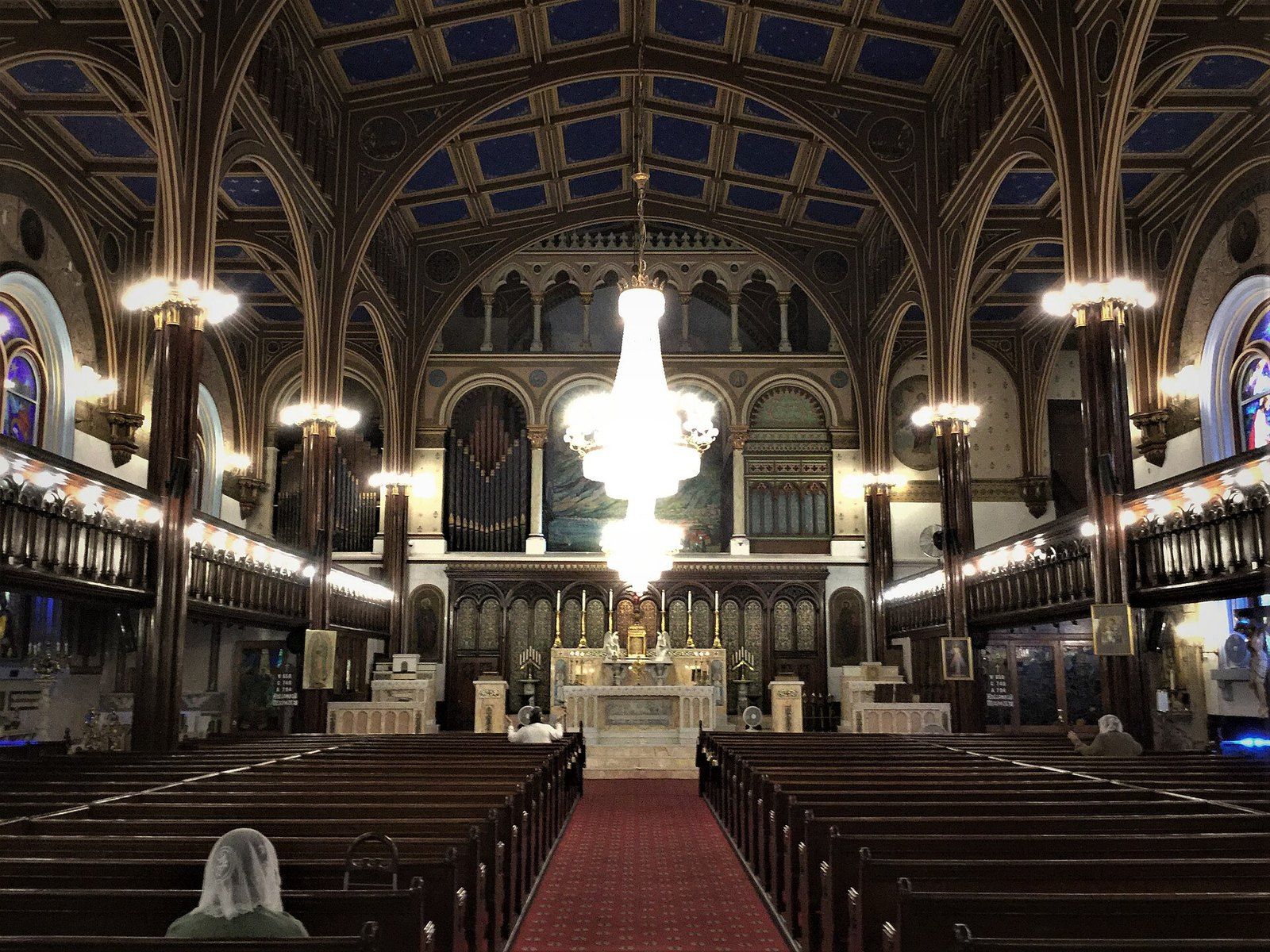 Lebanon and Lebanese America
Lebanese Immigration to the United States
Silk, steamships and letters home: the causes, counts and first communities of a migration that came in waves.
-
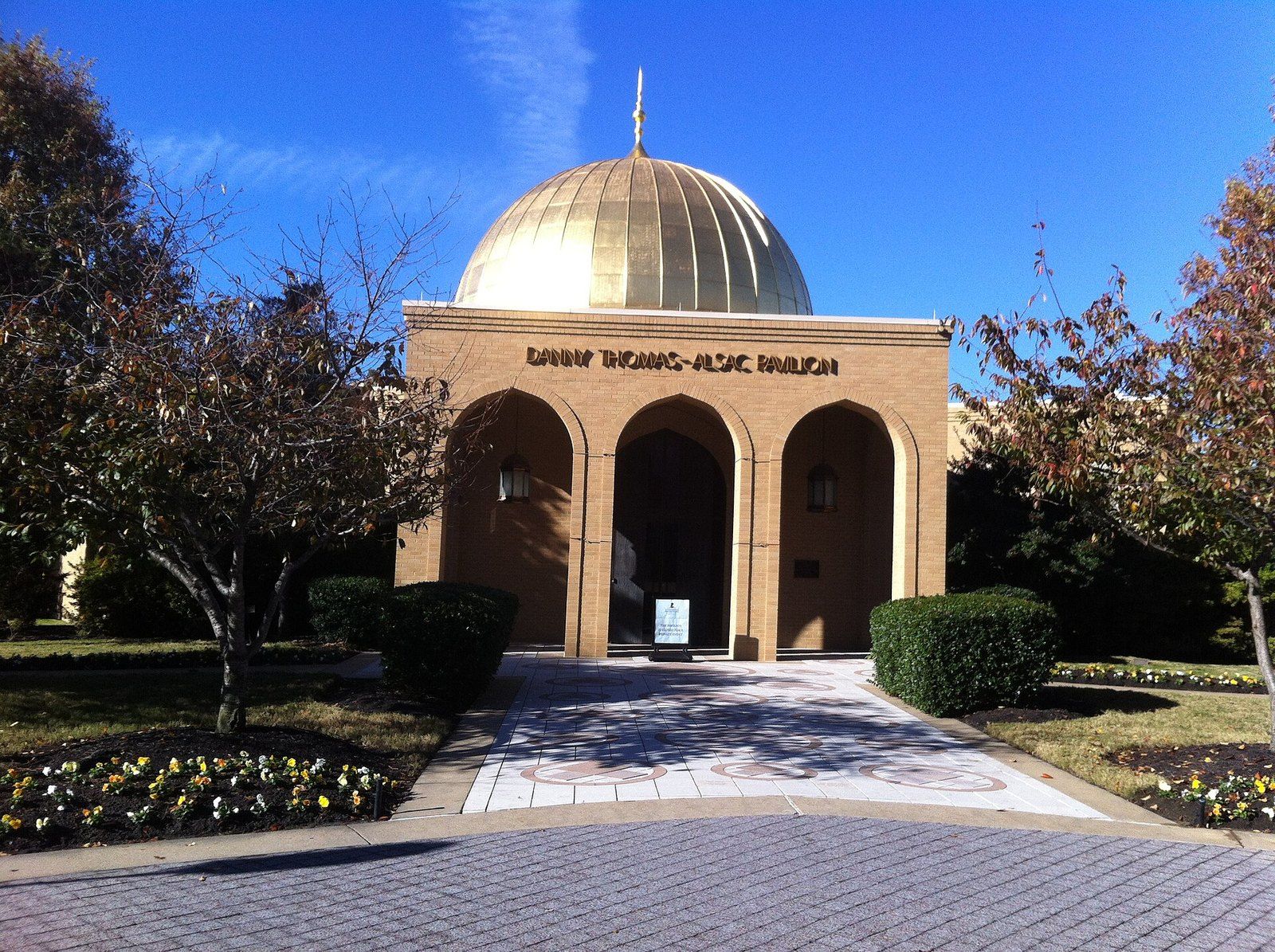 Lebanon and Lebanese America
Danny Thomas and St. Jude
A nightclub comic's prayer, a Memphis research hospital and the fundraising body Arab Americans formed to keep it open.
-
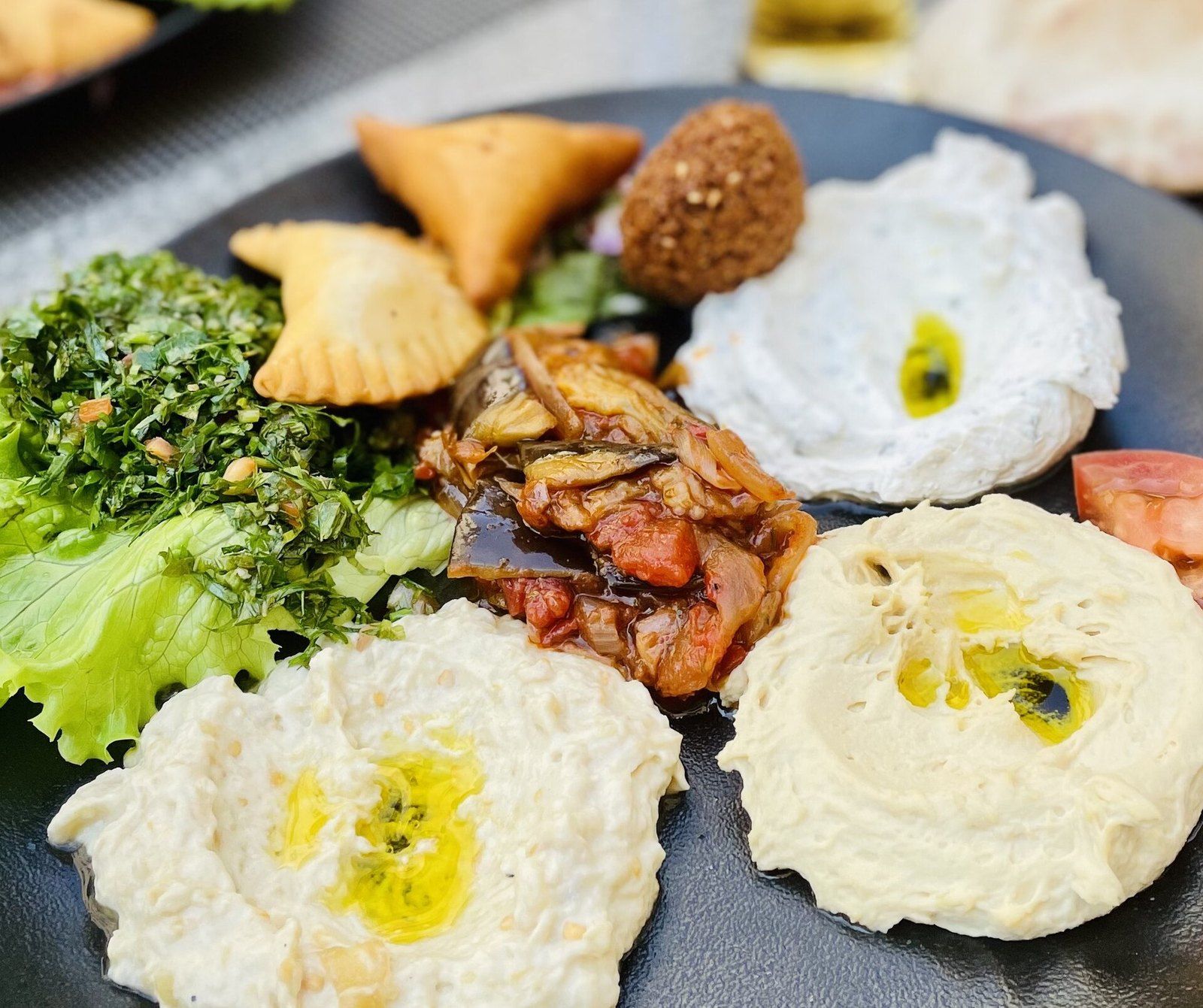 Lebanon and Lebanese America
Lebanese Cuisine
Za'atar bread at dawn, raw kibbeh on feast days, and a farmers' market that put village cooks on a city stage.
-
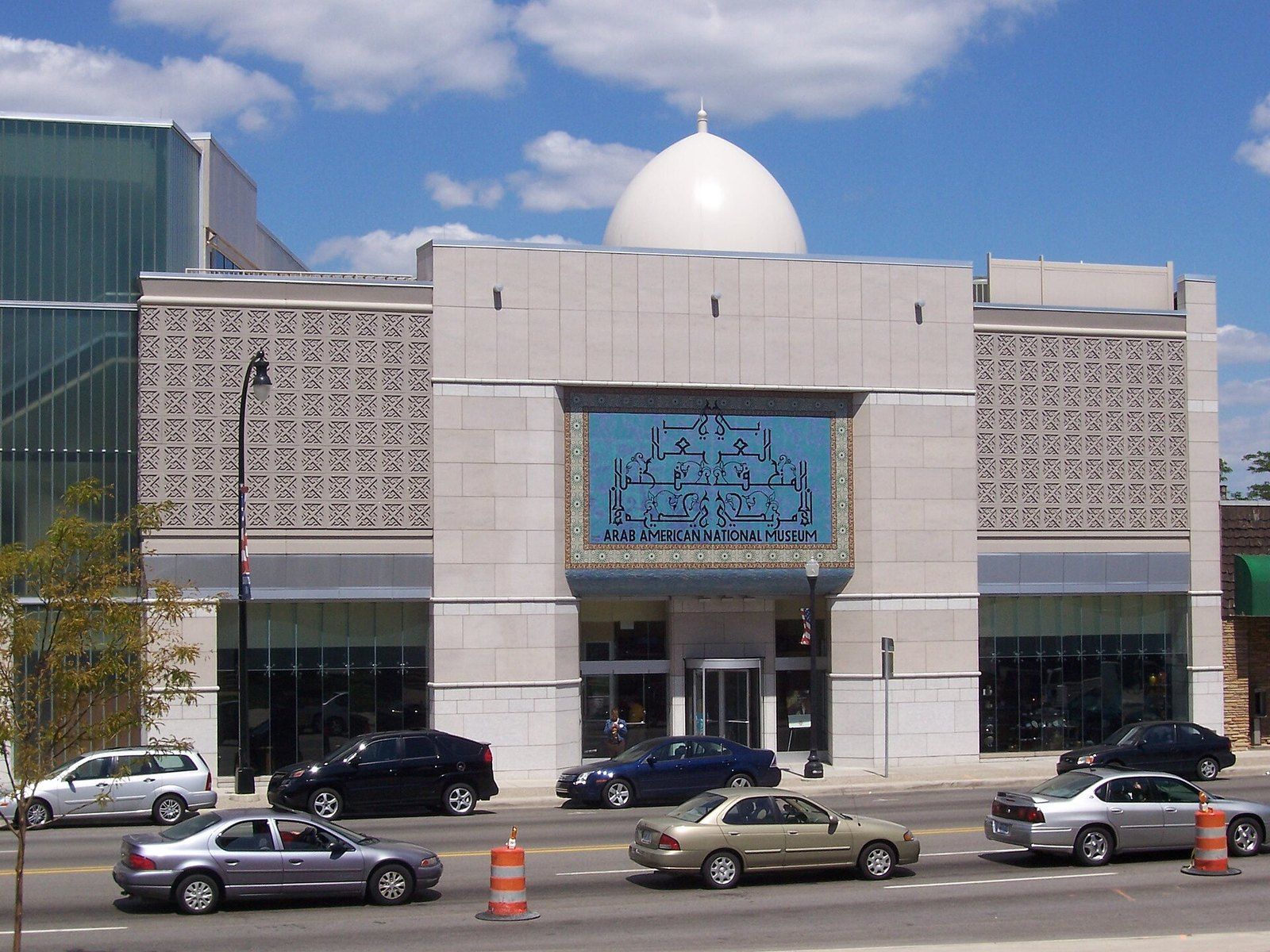 Lebanon and Lebanese America
The Arab American National Museum
A tiled dome on Michigan Avenue, every artifact donated, and a Smithsonian affiliation won in its first decade.