
Service Clubs and Civic Life
Contents
Mike Kobeissi takes part in La Cañada Flintridge Chamber of Commerce events, and the service clubs that share a small city’s civic calendar with its chamber descend from a habit of weekly meeting that began more than a century ago in Chicago.
The scene repeats in towns across the country. At noon on a weekday, a few dozen members drift into a dining room borrowed from a hotel, a church hall or a country club. Someone taps a bell. A member leads a song, another leads the pledge, and a third reads a short thought for the week. Lunch arrives while the president runs through announcements: a pancake breakfast next month, a scholarship committee that needs readers, a youth award to present. A guest speaker talks for twenty minutes about a library expansion or a trail project, takes questions, and leaves with a small gift. By one o’clock the room is empty, and most of the members are back at their shops, offices and practices.
That hour is the core institution. Everything else a service club does, from fundraising galas to the plaque on a park bench, is organized by the people who keep showing up to it.
Rotary began as a Chicago business lunch
The original Rotary Club was founded in Chicago in 1905 by Paul Harris, and the Utah State University history of Rotary’s roots describes it as a networking association for middle class businessmen, named for the weekly rotation of its meeting place among members’ offices.1 Its first service project came in 1907, when the club installed public restrooms in downtown Chicago, and by 1911 every major American city had a Rotary Club.1
The same history traces the model to two older American institutions. Women’s service organizations had worked for civic improvement for decades before Rotary existed, and fraternal lodges such as the Masons, Odd Fellows and Elks had offered men mutual aid and fellowship, wrapped in costume and ritual. As the lodges fell out of favor around the turn of the century, the new clubs offered fellowship and a chance to serve without the oaths and ceremonies. Rotarians instead adopted a short ethical checklist for business, the Four Way Test. Members also agreed to a nonsectarian and nonpartisan policy. In an economy increasingly run by large corporations, the history argues, the club gave the owner of a small business a room in which to air worries and trade ideas with peers, and in doing so turned members outward toward the life of their towns.1
How the men's service club spread
- 1905Paul Harris founds the original Rotary Club in Chicago as a networking group for businessmen.
- 1907The club's first service project puts public restrooms in downtown Chicago.
- 1911Every major American city has a Rotary Club of its own.
- 1915 and 1917Kiwanis and then Lions organize as rival men's service associations.
- 1919 to 1921Rotary grows from 415 clubs to 758, with more than 17,000 members worldwide.
Kiwanis and Lions followed within a dozen years
Rotary’s rivals came quickly. Kiwanis organized in 1915 and Lions in 1917, which is why the Utah State history calls Rotary the first modern men’s service club rather than the first service organization of any kind.1 The First World War gave all three a surge of patriotic volunteering. Rotary nearly doubled from 415 clubs at the start of 1919 to 758 by 1921, and the movement became especially popular in rural towns whose members were mostly small and independent business owners.1
The historian Jeffery Charles, in his Johns Hopkins dissertation on service clubs in twentieth century America, describes the arc in three stages.2 The clubs first appeared in big cities, offering local businessmen a network and a sociability reminiscent of small town neighborliness. In the 1920s they spread rapidly to towns and small cities, where members hoped the clubs could shore up traditions weakened by corporate and urban growth. That boosterism drew critics who saw the clubs as emblems of a crass business culture, while members defended their friendliness and community spirit. In the 1930s Rotary and later the Lions expanded abroad.2
The clubs changed as towns became suburbs
After the Second World War the clubs kept growing, but their footing shifted. Charles notes that new clubs increasingly met in mostly residential suburbs, which undercut the town boosting purpose that had fueled them in the twenties. Club leaders began to describe their associations as charitable agencies, part of a voluntary third sector of organized groups, and he closes by warning that the clubs face an uncertain future as their distinctive social role fades.2
The decline has been measured
The best known account of that fade is Robert Putnam’s book Bowling Alone, published in 2000. A summary from the Beyond Intractability project explains his central term, social capital: the connections among people’s networks and the norms of reciprocity and trust that grow from them.4 Putnam found that this capital rose through the first two thirds of the twentieth century and then fell, a pattern consistent across seven measures that included civic, political and religious participation, informal networks and trust. He also distinguished bonding networks, which turn inward and reinforce a shared identity, from bridging networks, which reach across social divides.4
What Putnam blamed for the fall in social capital
Putnam’s causal claims were later tested. The Stanford Social Innovation Review reported a 2002 study by Robert Boeckmann and Thomas Tyler that surveyed 234 adults in the Oakland area. Social contact with neighbors and attendance at local meetings went with higher general trust, and it was that trust, rather than the contact itself, that predicted voting.5
The slide shows up in newer numbers too. Nathan Dietz of the University of Maryland’s Do Good Institute told NPR that the national volunteering rate began to slip slightly each year from the early 2010s, and that the pandemic made it harder still for organizations that depend on people meeting in person.7 The federal benchmark is the Civic Engagement and Volunteering Supplement, which the U.S. Census Bureau conducts with AmeriCorps every two years; it asks about formal volunteering, informal help to neighbors, charitable giving and participation in groups.8
Clubs are still meeting
Decline is not disappearance. Researchers at Indiana University’s Observing Civic Engagement Lab study what happens when people do gather, observing book clubs, card groups, congregations and service organizations such as Kiwanis and Habitat for Humanity. Their conclusion is that community life still happens, even if at a lower rate than in the 1970s.6
The foothills offer a local case. In 2023 the Kiwanis Club of La Cañada held its 76th annual installation of officers, an evening with a string quartet, a patriotic song and the ceremonial passing of a gavel, as the Crescenta Valley Weekly reported.3 The club’s top award that year went to the coordinator of its TERRIFIC Kids program, which recognizes local young people for kindness and good citizenship, and the incoming president recalled joining after the head of the local chamber of commerce invited him to a meeting.3 That small detail matches the older pattern: the chamber, the service clubs and the town’s other volunteer groups recruit from and for one another. The same overlap shows up at a town’s parades and festivals, where the clubs often run the breakfasts and booths.
Where to see it in person
The plainest way to see a service club is to visit one. The La Cañada Kiwanis invites anyone interested to attend a meeting, and its meetings include featured speakers.3 An installation dinner shows the ceremonial side; an ordinary weekday lunch shows the routine that Putnam’s numbers measure. For the national picture, the Census Bureau publishes the volunteering supplement’s data and dashboards for anyone to explore.8 Related civic habits appear in the economics of shopping local and in the history of community gardens. None of this speaks to the merits of a particular house, and questions about a specific property are best taken to the reader’s own advisors.
References
- Utah State University Libraries. A Century of Service: Logan Rotary at 100: What Are Rotary's Roots?.
- University of Lethbridge. Service clubs in twentieth century America, 1987.
- Crescenta Valley Weekly. The Kiwanis Club of La Cañada Holds 76th Annual Installation of Officers and Board, 2023 11 02.
- Beyond Intractability. Summary of Bowling Alone: The Collapse and Revival of American Community.
- Stanford Social Innovation Review. The Problem with Bowling Alone, 2003 06 01.
- Indiana University. Bowling Alone: Civic Engagement May Be Declining, But It's Still Happening, 2025 05 08.
- NPR. Volunteering in the U.S. is on the decline, reports say, 2023 12 13.
- U.S. Census Bureau. Civic Engagement and Volunteering Supplement, 2024 11 19.
External links
See also
-
 Community and Civic Life
Shopping Local and the Local Multiplier
Why a dollar spent at an independent store circulates longer in town than one spent at a chain, and how economists count it.
-
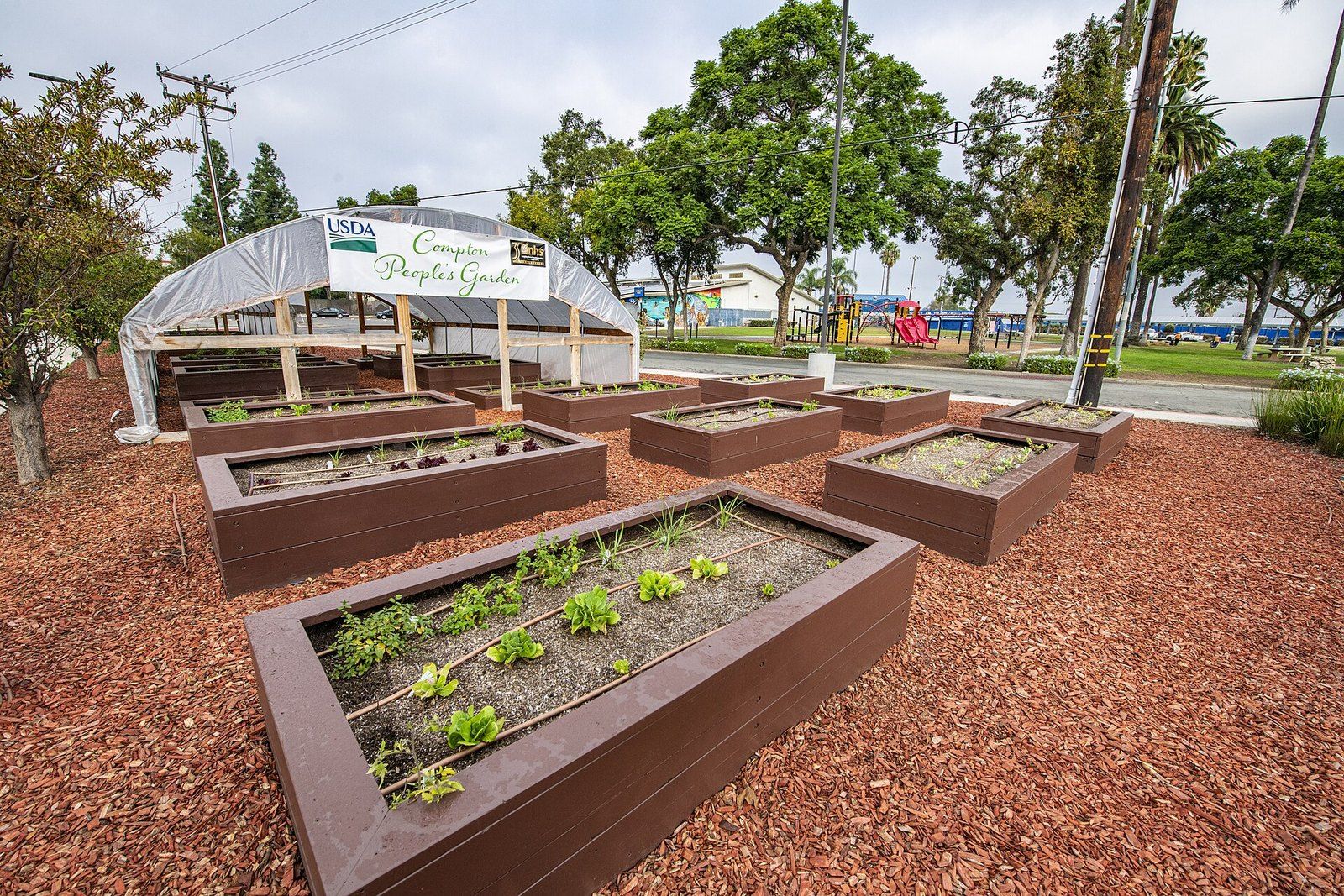 Community and Civic Life
Community Gardens
Shared ground worked by neighbors, from the patriotic plots of two world wars to the allotments and urban farms of today.
-
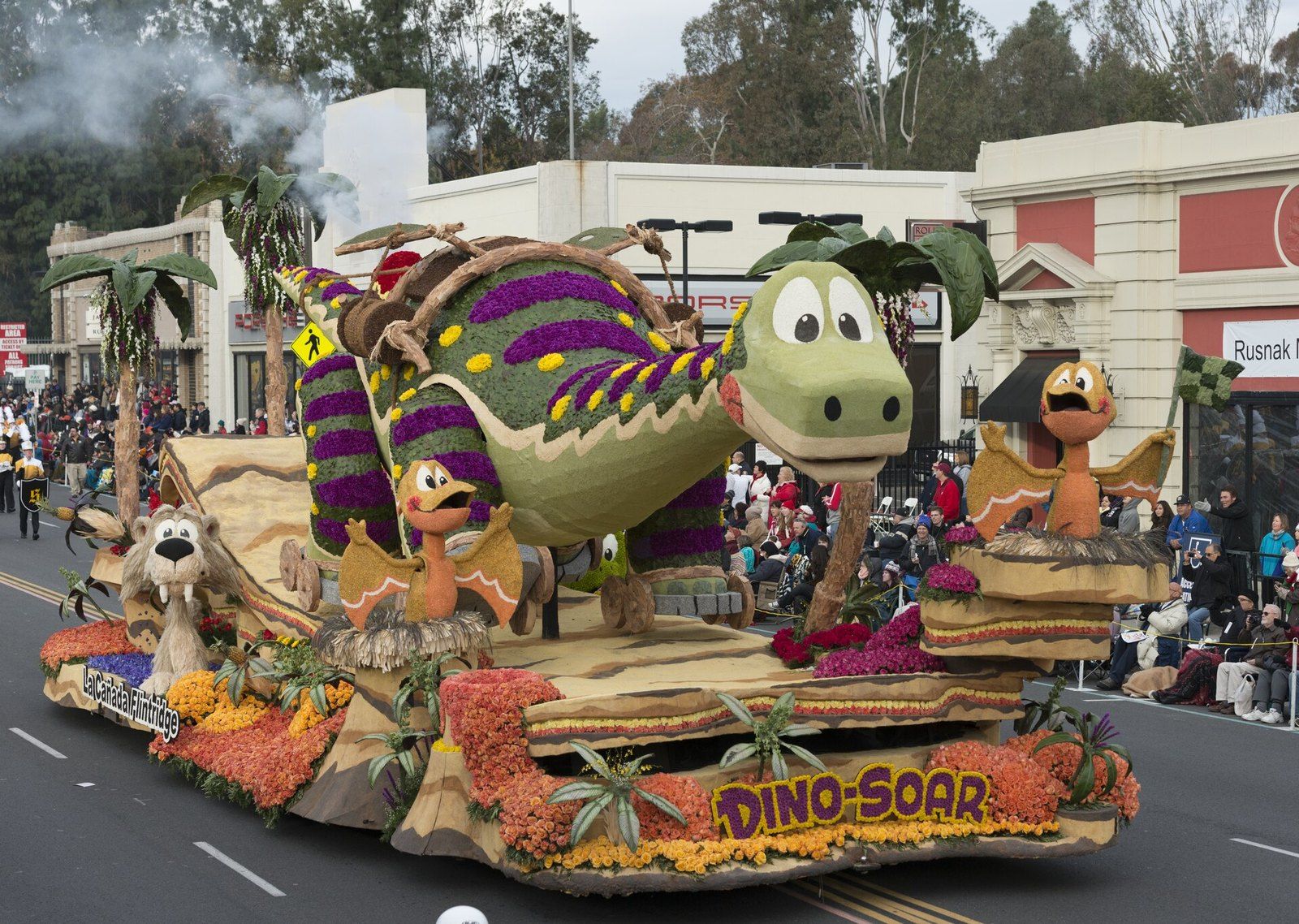 Community and Civic Life
Parades and Town Festivals
Processions, flower battles and Memorial Day marches, and how a hunt club's winter outing became a New Year tradition.
-
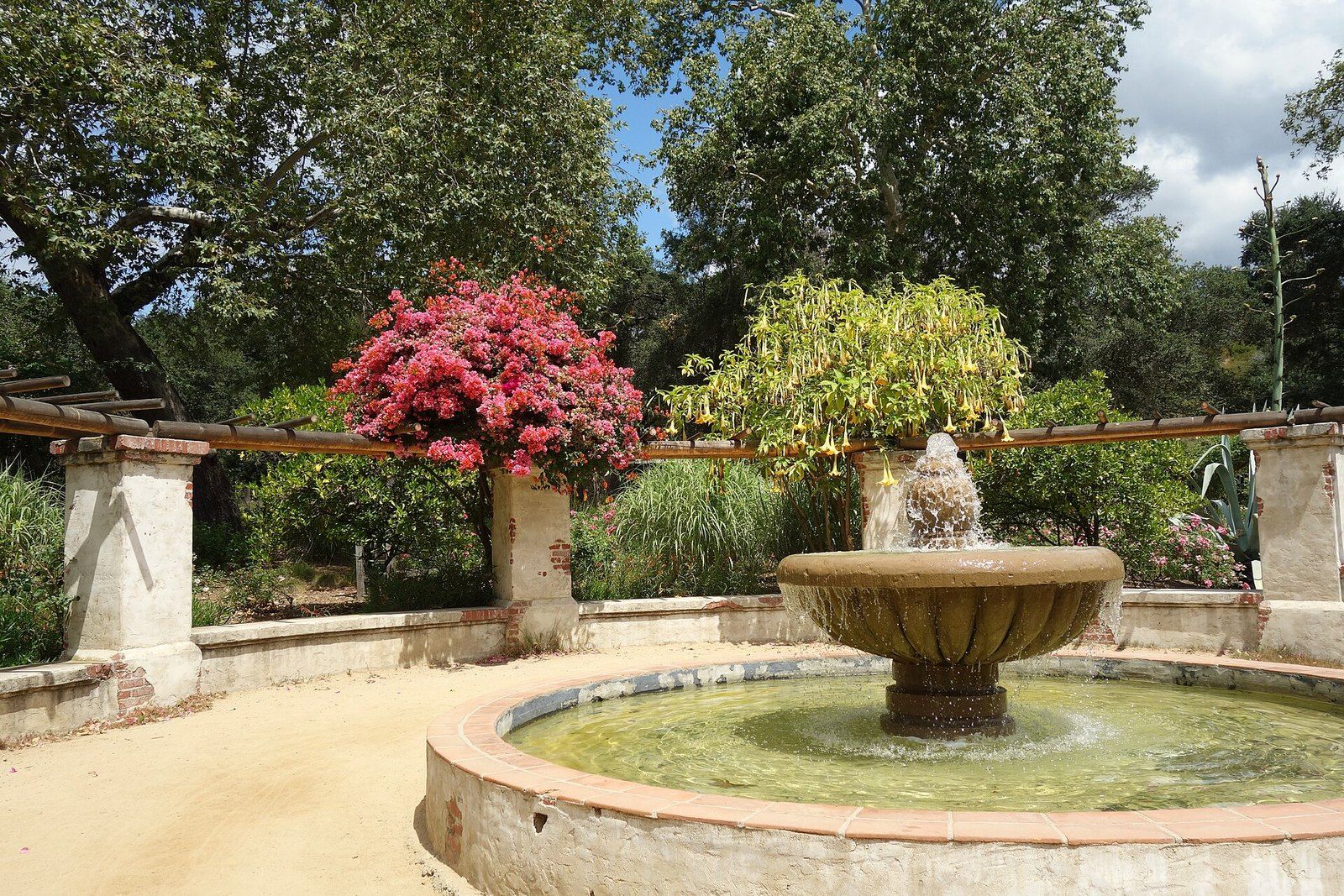 La Cañada Flintridge History
Descanso Gardens
A publisher's camellia estate under coast live oaks that the county bought and a guild turned into a garden of rooms.