
Community Gardens
Contents
Mike Kobeissi takes part in La Cañada Flintridge Chamber of Commerce events, and chambers of commerce were among the civic groups that carried the national garden campaign of World War I from town to town.
The standard for a community garden is simpler than its history. It is a piece of ground gardened by a group rather than by one household, organized by the gardeners or a sponsor, and open to people who may have no yard of their own. The American Community Gardening Association describes the range its members cover, from family allotments and tiny pollinator pocket parks to urban farms.6 Within that range sits one recurring choice: whether the land is divided into individual plots or worked in common. NPR found in 2012 that most American community gardens are split into individual plots, while many others, including almost all of the 400 or 500 started in Detroit over the previous ten years, are run communally.1 The vegetables are the visible product. The harder work, as the gardeners in that story keep saying, is the community.
From war gardens to victory gardens
A short history from Smithsonian Gardens places the start in the 1890s, since when Americans have repeatedly turned to gardens to answer recession, war, urban decline and environmental injustice.5 The largest early effort came with the First World War. Europe was running short of food, and shortly before the United States entered the war in 1917 the timberman Charles Lathrop Pack organized the National War Garden Commission to urge Americans of every age to grow their own produce, the National WWI Museum and Memorial records.8 Government pamphlets taught novices about soil, compost and cold frames.
The campaign spread by word of mouth through women’s clubs, civic associations and chambers of commerce, according to History, and a federal program enlisted children as soldiers of the soil.3 Three million new plots were planted in 1917 and more than 5.2 million were cultivated in 1918.3 The commission’s slogan, sow the seeds of victory, is well remembered; the Heinz History Center points out a second refrain, put the slacker land to work, which turned the effort toward idle urban lots.10
American home food gardens in two world wars, in millions
After the armistice the plots were renamed victory gardens, and Americans were asked to keep planting in 1919. Home gardening lost momentum in the 1920s, returned in the hungry years of the Depression, and came back as a national craze after 1941.10 In 1942 roughly 15 million families planted victory gardens, and by 1944 an estimated 20 million gardens produced about 8 million tons of food, the equivalent of more than 40 percent of the fresh fruit and vegetables Americans ate.3 The Heinz curator adds that program numbers dipped in 1944 as some gardeners found the work too much on top of everything else.10 The memory has lasted: in 2017 the Library of Congress planted a commemorative war garden of historic varieties outside its Jefferson Building, Smithsonian Magazine reported, and gave more than 400 pounds of its vegetables to a Washington food bank.4
The shared garden as an organization
The peacetime community garden needed organizers. In the early 1970s the marketer Lyman Wood, reading research that many more Americans would garden if they had land, founded a nonprofit clearinghouse called Gardens for All, with community gardens styled after the victory gardens of World War II, The Christian Science Monitor reported. The group became the National Gardening Association in 1984.2 The American Community Gardening Association followed in Chicago in 1979, and it now links gardens across both countries through conferences, workshops and grants.6
Organizers learned the same lesson again and again. At the Campos Community Garden in Manhattan’s East Village, neighbors who revived an abandoned lot chose to garden the whole space together, then laid out individual plots years later when too few people showed up on hot August days.1 A coordinator for Denver Urban Gardens told NPR that communal arrangements bring unequal participation and unequal sharing, while gardeners in Detroit and Grosse Pointe Park defended the shared model because it gets neighbors talking and working side by side.1
Two ways to run a shared garden
| Individual plots | Communal garden | |
|---|---|---|
| Who plants | Each member works a marked bed | Everyone works the whole site together |
| Who harvests | Members pick their own vegetables | Members pick more or less whenever they want |
| Common trouble | Less drama, but less shared work | Unequal effort, and about half the group may drop off in summer heat |
| Where it prevails | Most gardens in Denver, Charlotte and across the country | Almost all of the new gardens in Detroit |
Where the evidence is strongest
Historical counts give this subject its most solid numbers. The plot totals for 1917 and 1918 and the wartime production estimates come from the campaigns themselves and recur across the historical accounts cited here.3 On ecology the evidence is newer and specific. A five year study of 28 urban community gardens across California, led by Shalene Jha of the University of Texas at Austin and summarized by Futurity, found that the gardens supported high levels of plant and animal biodiversity while also supplying food and raising gardeners’ well being, and that choices such as where to plant trees and where to mulch changed the results.7
Claims about health and social life rest on a broader but looser literature. A Harvard paper reviewing research from 2000 to 2024 found that the focus moved from community building and physical health in the early 2000s to environmental benefits after 2010 and to mental health and resilience after the pandemic, and that gardens help most when they meet the needs of the people around them; its own survey of gardeners in Washington, D.C., found they garden chiefly to feel closer to nature and to get healthy food.9 The longer list of benefits that gardening groups publish, from cohesion to beautified streets, is advocacy built on that research rather than a measured result.6 Nearby, Descanso Gardens shows a different, curated kind of public garden, and the civic thread continues in service clubs. A garden down the street says little about any one house; that call rests with the reader and the professionals the reader trusts.
References
- NPR. At The Community Garden, It's Community That's The Hard Part, 2012 03 20.
- The Christian Science Monitor. The National Gardening Association keeps growing, 1985 11 12.
- History. America's Patriotic Victory Gardens, 2014 05 29.
- Smithsonian Magazine. A Century After WWI, a Victory Garden Sows Seeds of Remembrance, 2017 10 13.
- Smithsonian Gardens. Grown from the Past: A Short History of Community Gardening in the United States.
- American Community Gardening Association. About Us.
- Futurity. Community gardens boost well being and biodiversity, 2023 02 08.
- National WWI Museum and Memorial. Victory Gardens in World War I.
- Harvard University. The Role of Community Gardens on Environmental and Human Health in Urban Settings in the United States.
- Heinz History Center. All Out for Victory Gardens!, 2022 09 23.
External links
See also
-
 Community and Civic Life
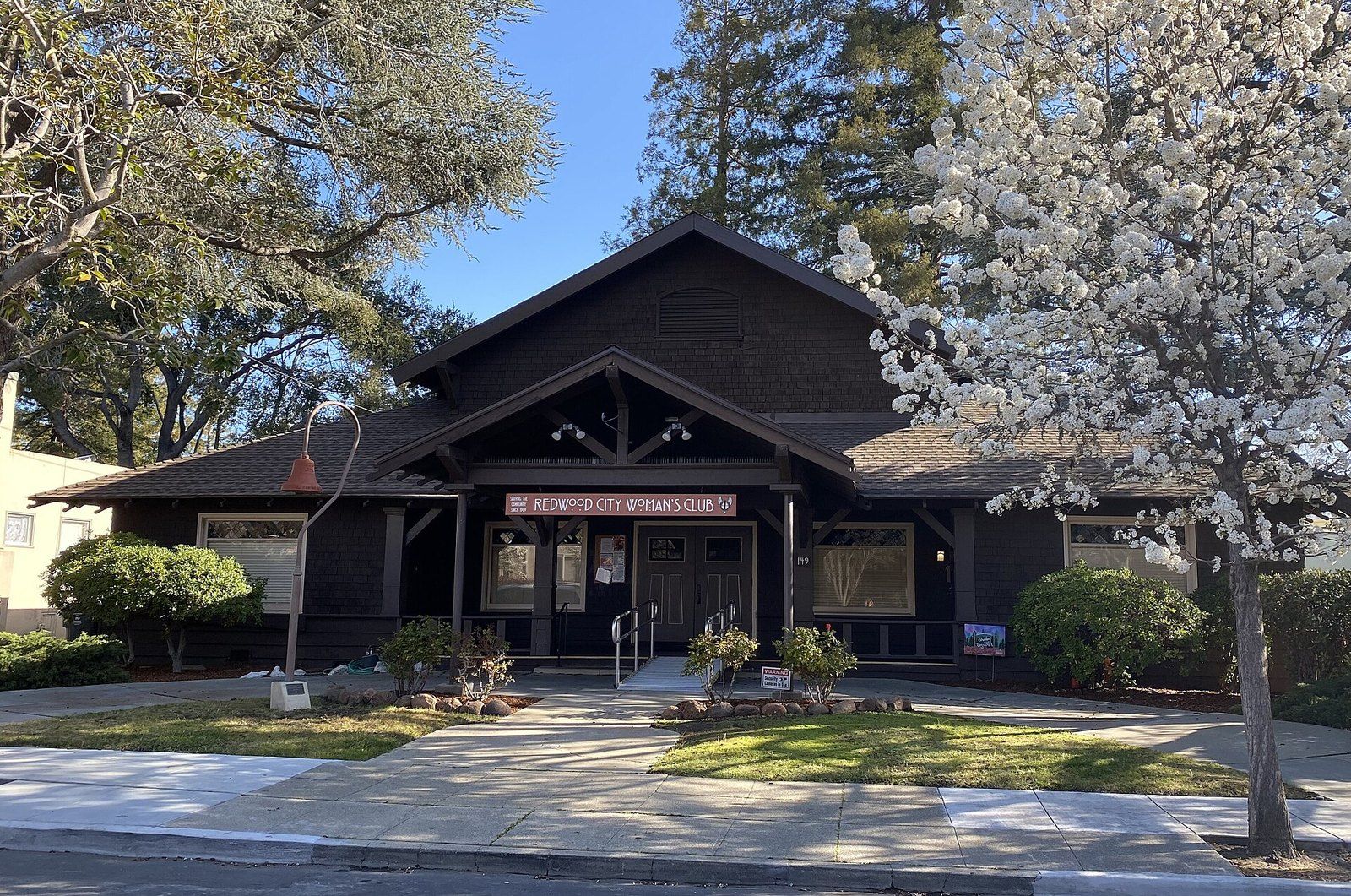
Service Clubs and Civic Life
The weekly lunch club, from Paul Harris in Chicago to a Kiwanis installation in the foothills, and the numbers behind its long slide.
-
 Community and Civic Life
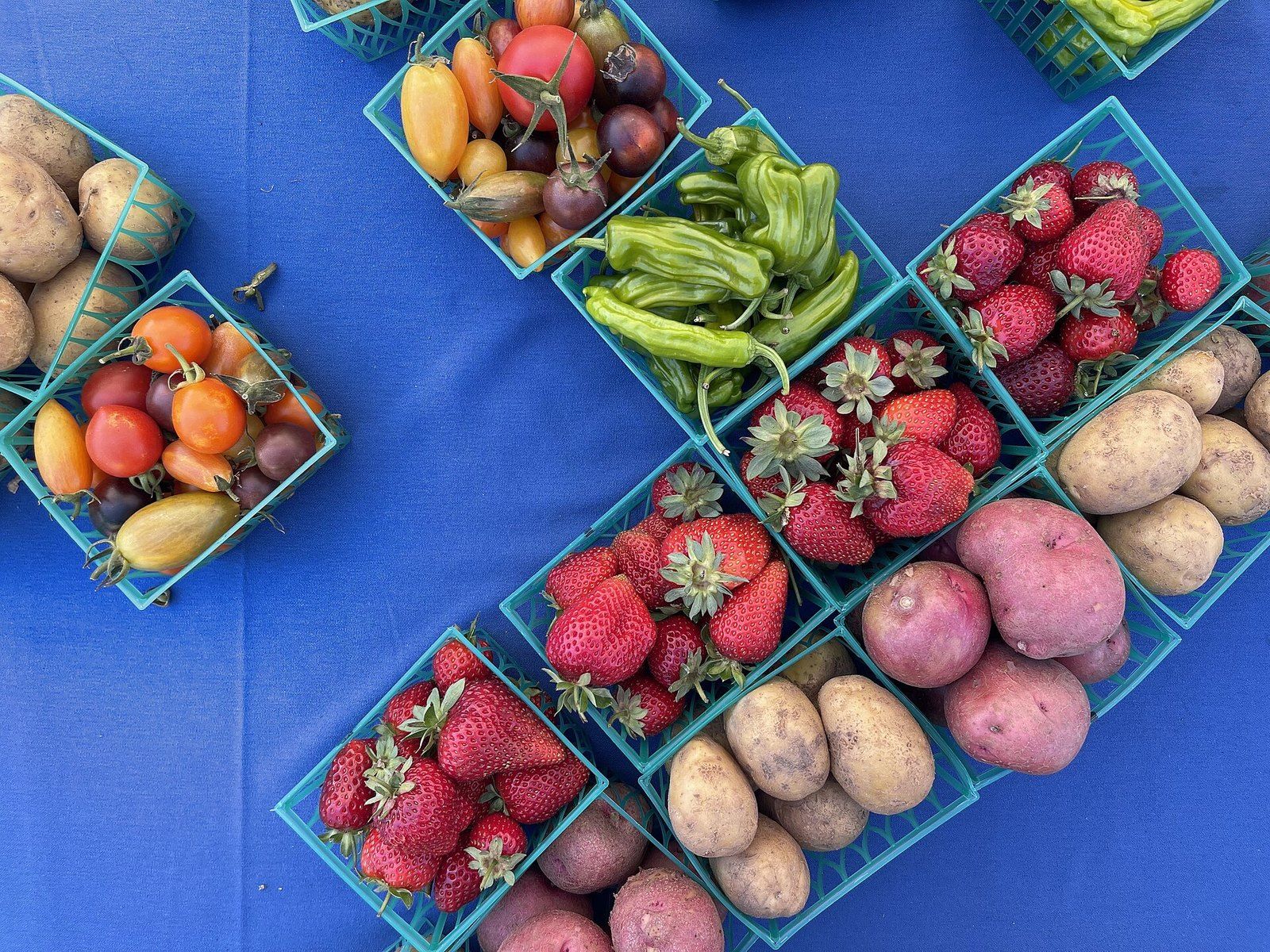
Shopping Local and the Local Multiplier
Why a dollar spent at an independent store circulates longer in town than one spent at a chain, and how economists count it.
-
 Community and Civic Life
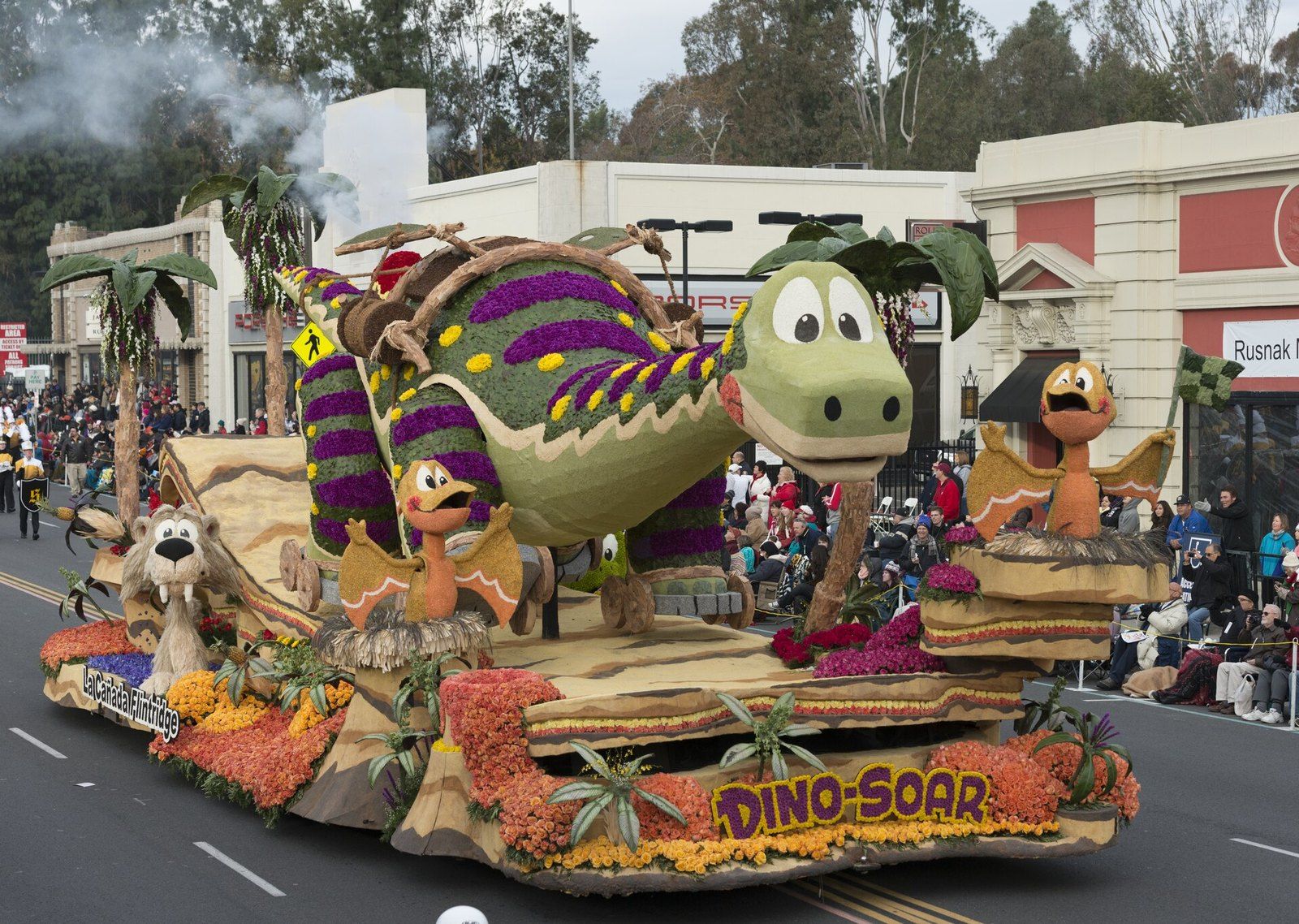
Parades and Town Festivals
Processions, flower battles and Memorial Day marches, and how a hunt club's winter outing became a New Year tradition.
-
 La Cañada Flintridge History
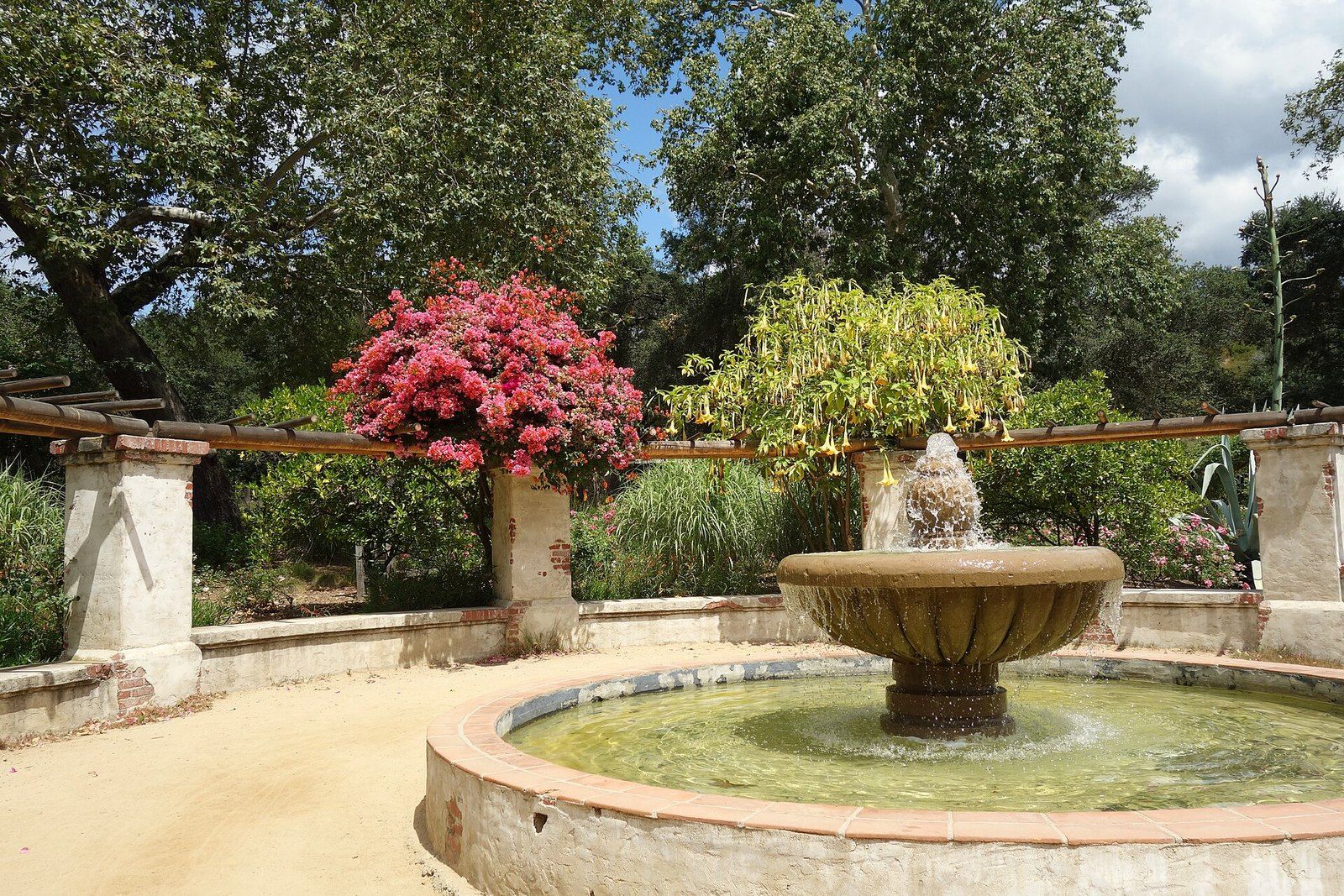
Descanso Gardens
A publisher's camellia estate under coast live oaks that the county bought and a guild turned into a garden of rooms.