Mike Kobeissi on Landmark American Houses
- The National Register of Historic Places
- Richard Neutra
Mike Kobeissi’s June 2023 essay on American houses, published on WordPress and the same day in a shorter retelling on Medium, argues that a handful of residences have come to stand for the country’s history, its wealth and its changing ideas about design.
The author picks six and gives each a short portrait. The White House leads, described as the residence and office of every president since John Adams and a neoclassical building by the architect James Hoban whose white walls and porticoes have become a symbol of the republic. Fallingwater follows. The essay presents Frank Lloyd Wright’s house in Mill Run, Pennsylvania, as a building of local stone, poured concrete and glass set over a waterfall and meant to merge with the woods around it, an example of what Wright called organic architecture.
The six houses in the essay
| Where and for whom | What the essay stresses | |
|---|---|---|
| White House | Washington, the presidents since John Adams | A neoclassical design by James Hoban, with white walls and porticoes |
| Fallingwater | Mill Run, Pennsylvania, by Frank Lloyd Wright | Cantilevered concrete terraces and local stone above a stream |
| Biltmore | Asheville, North Carolina, for George Washington Vanderbilt II | About 250 rooms, a library and grounds laid out by Olmsted |
| Hearst Castle | San Simeon, California, for William Randolph Hearst | Julia Morgan's hilltop estate of 165 rooms above the Pacific |
| Monticello | Charlottesville, Virginia, Thomas Jefferson's own design | Classical forms reworked by an inventive statesman |
| Glass House | New Canaan, Connecticut, Philip Johnson's residence | Walls of glass that blur interior and landscape |
Two Gilded Age estates come next. Biltmore, in Asheville, North Carolina, was built for George Washington Vanderbilt II, and the essay counts some 250 rooms, a grand dining hall, a library of rare volumes and gardens by the landscape architect Olmsted. Hearst Castle at San Simeon, commissioned by William Randolph Hearst and designed by Julia Morgan, sits on a hill above the Pacific with 165 rooms and a large art collection; the author treats its Mediterranean Revival grandeur as a monument to the excess of its era. Monticello, Thomas Jefferson’s house in Charlottesville, is offered as proof of his gifts as architect and inventor, and the essay notes its listing as a World Heritage site. Philip Johnson’s Glass House in New Canaan, Connecticut, closes the list as modernism at its plainest, a transparent box whose walls dissolve into the landscape.
Two versions of one essay
The Medium retelling covers the same six houses in a different order and adds detail. It names Richard Morris Hunt as the architect of Biltmore and calls the house French Renaissance in spirit, dates the Glass House to 1949 as Johnson’s own home, and praises the dome and daylight of Monticello. Both versions end on the same note, that these houses record the social and political stories of their time.
What the list leaves out
Some context sharpens the essay’s picks. Wright, KCET notes, set out to build an American architecture free of European models, beginning with Prairie houses of open plans and natural colors and materials.2 The grandeur at San Simeon extended to water, with both an indoor and an outdoor pool on the estate.4 Modern houses can join the same company as Monticello: in 2017 Richard Neutra’s VDL Studio and Residences in Los Angeles was named a National Historic Landmark.3 The National Park Service explains what that title means. Of the more than ninety thousand properties on the National Register, just over 2,600 hold landmark status, reserved for places whose story matters to the whole nation.1
References
- National Park Service. The National Register of Historic Places and the National Historic Landmarks Program, 2024 05 21.
- KCET. The Warp and the Weft: Frank Lloyd Wright's Textile Block Houses Weave an Enduring Legacy, 2018 03 06.
- Cal Poly Pomona. Cal Poly Pomona's Neutra House Designated National Historic Landmark, 2017 01 13.
- Eichler Network. California Popularized the Backyard Pool, 2019 07 04.
External links
Related entries
-
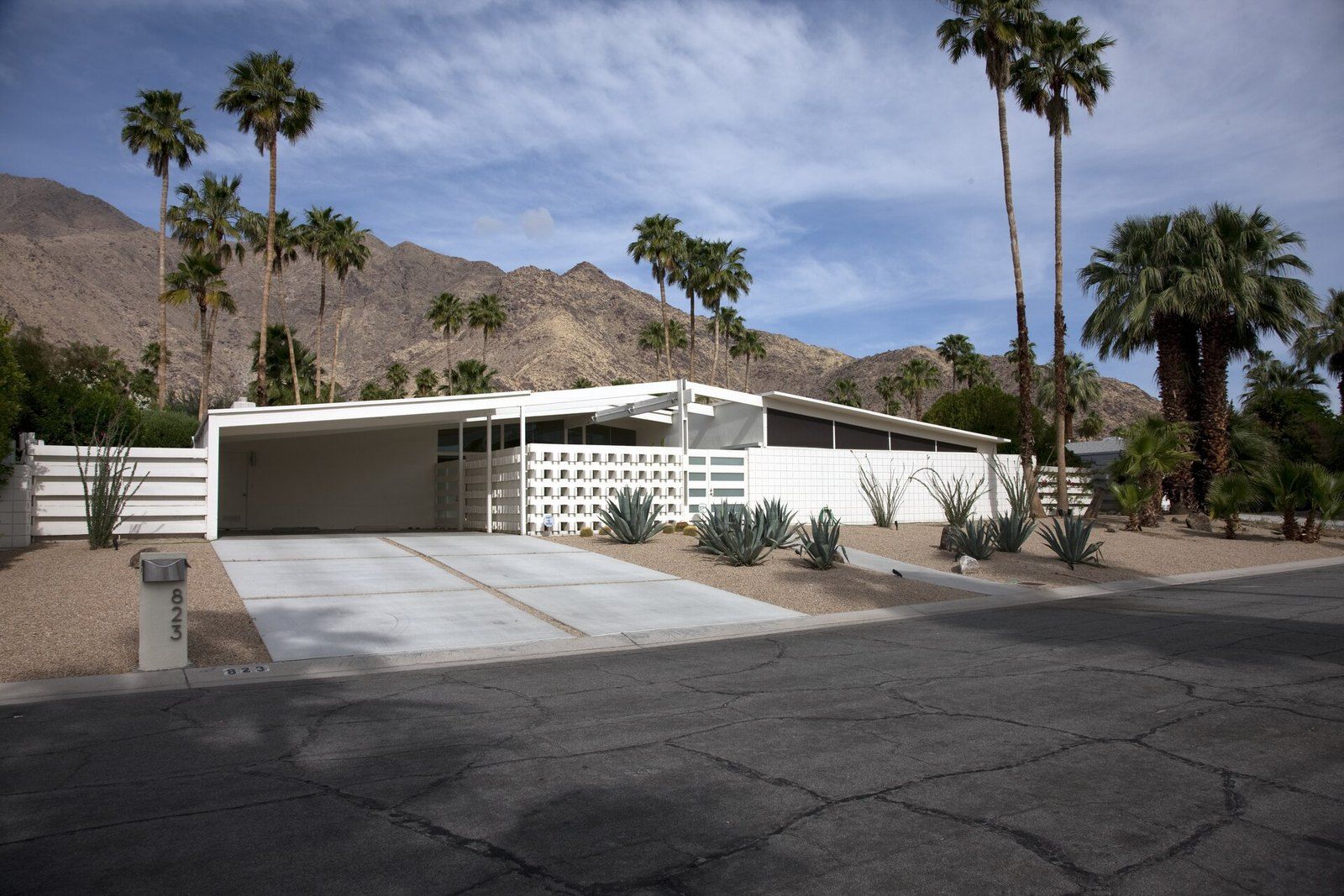 Foothill House Styles
Mid Century Modern Houses
Glass to the garden, roofs that float and structure in plain view, built for film people and tract buyers alike.
-
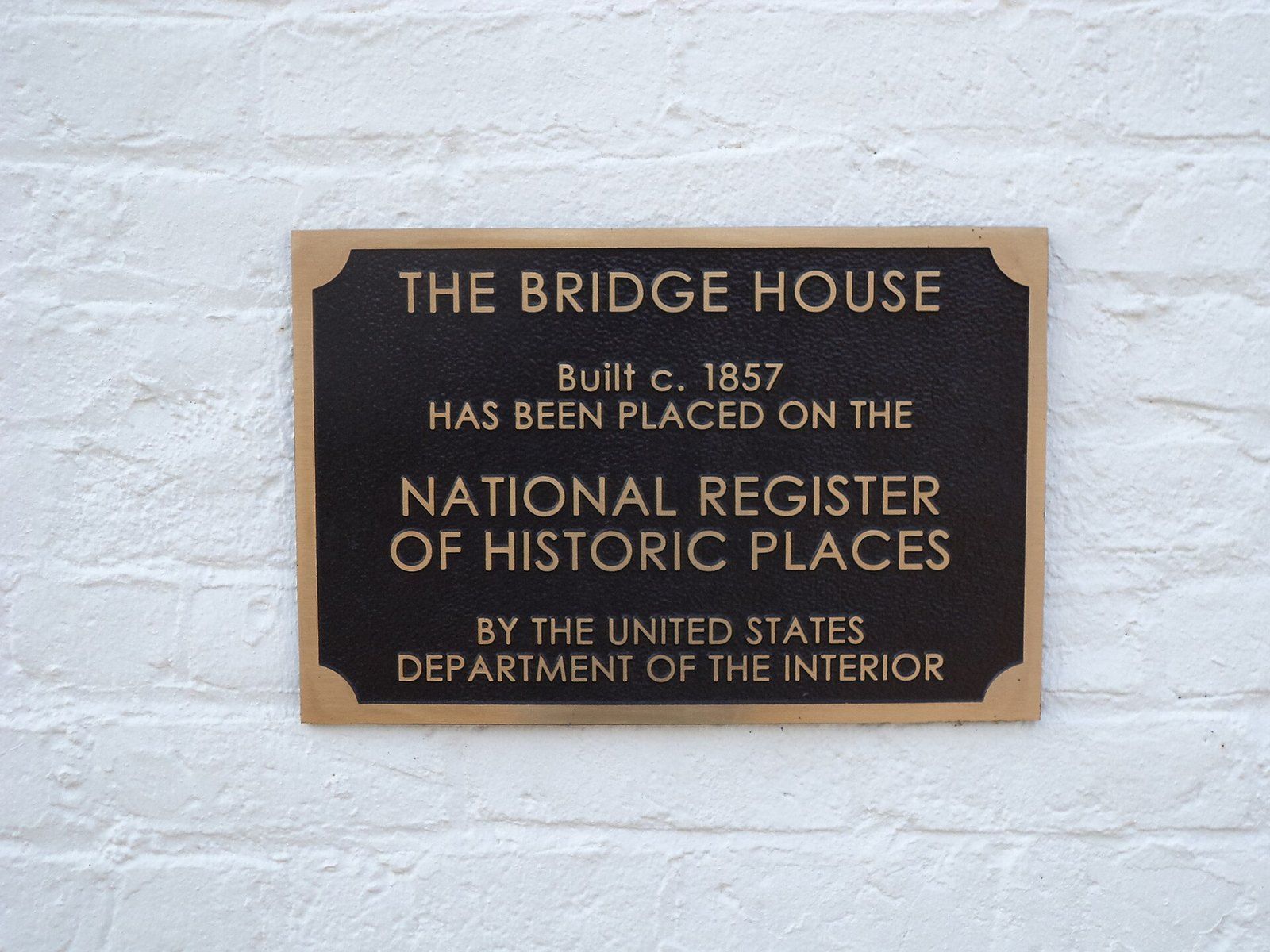 Old Houses and Preservation
The National Register of Historic Places
The federal roll of places judged worthy of keeping, and the incentives that follow a listing.
-
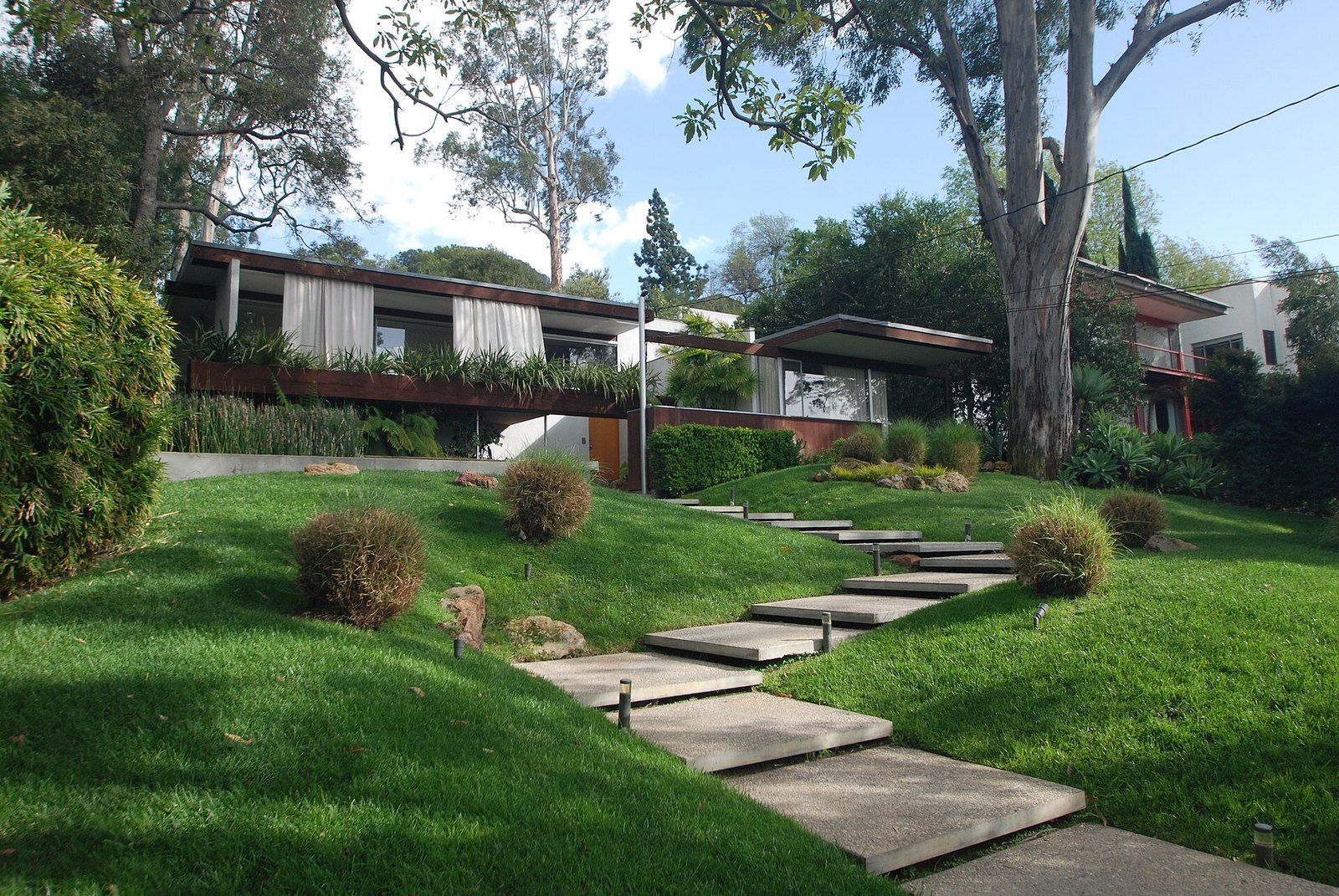 Architects of the Foothills
Richard Neutra
Glass walls, deep eaves and a client in Pasadena who wanted a house she would feel homesick for.