Mike Kobeissi on Newly Built Houses in La Cañada
- The Age of the Housing Stock
- The Craftsman Bungalow
Mike Kobeissi’s November 2022 WordPress post makes the case for buying a newly built house in La Cañada Flintridge, describing what such houses offer and what a buyer should weigh before choosing one over an older property.
Much of the original is given over to search websites and to price ranges, and this summary leaves those passages aside. What remains is a short account of the houses themselves and of the trade between new and old.
Styles and features
The author opens by observing that a new house can give an owner a look that feels fresh and individual, and he adds that the town keeps a countryside feel, with space to spread out. The town’s residential stock, he writes, already mixes refined bungalows, modern designs and houses in the Spanish manner, and builders working locally add new houses in an equally wide range: Craftsman, Mediterranean, contemporary, ranch and Colonial Revival among them. He describes the larger new houses as having generous floor plans, tall ceilings and open layouts, stone counters, upscale appliances and updated plumbing, usually with between four and six bedrooms, and well kept inside and out. Buyers can choose a garage joined to the house or standing apart.
New house or older house, as the post frames it
| Newly built | Resale | |
|---|---|---|
| Look | Fresh, distinctive finishes | Established character |
| Layout | Open plans, tall ceilings, generous rooms | Whatever earlier owners kept or changed |
| Energy | Usually more efficient | Depends on upgrades |
| Upkeep | Fewer repairs early on, sometimes a warranty | More maintenance as systems age |
The Craftsman name on that list carries a long history. Architectural Digest traces the style to the American Arts and Crafts movement and the furniture maker Gustav Stickley, whose magazine and 1909 book promoted plain houses built to last, and notes that bungalows of the type spread across Southern California early in the last century.3
The post also flags a change in the rules. The city had recently updated its zoning to allow a secondary unit, known as an ADU, on the same lot as a main house, and the author advises buyers to check setback requirements in the building code and any existing easements before planning one.
New against old
The closing argument is a comparison between the two kinds of purchase. New houses usually cost more than resale houses in the area, the author writes, but they tend to use energy more efficiently, need less maintenance in their early years and sometimes come with warranties.
That case lands in a market where new construction is scarce. The National Association of Home Builders reported in 2024 that houses built from 2020 to 2022 made up only about 2 percent of owner occupied homes nationwide, that the median owner occupied home was 40 years old, and that roughly 60 percent predated 1980.1 Preservationists answer the efficiency point from the other side. The National Trust for Historic Preservation argues that the greenest building is often one already standing, since new materials consume energy to produce, and it recommends an energy audit and sealing gaps before replacing original windows.2 Weighing those claims for a particular house is work for the buyer’s own inspector and advisors.
References
- NAHB Eye on Housing. The Age of the U.S. Housing Stock, 2024 02 12.
- National Trust for Historic Preservation. 8 Ways to Green Your Historic House, 2019 04 03.
- Architectural Digest. Craftsman House: Everything You Need to Know, 2023 11 29.
External links
Related entries
-
 Foothill House Styles
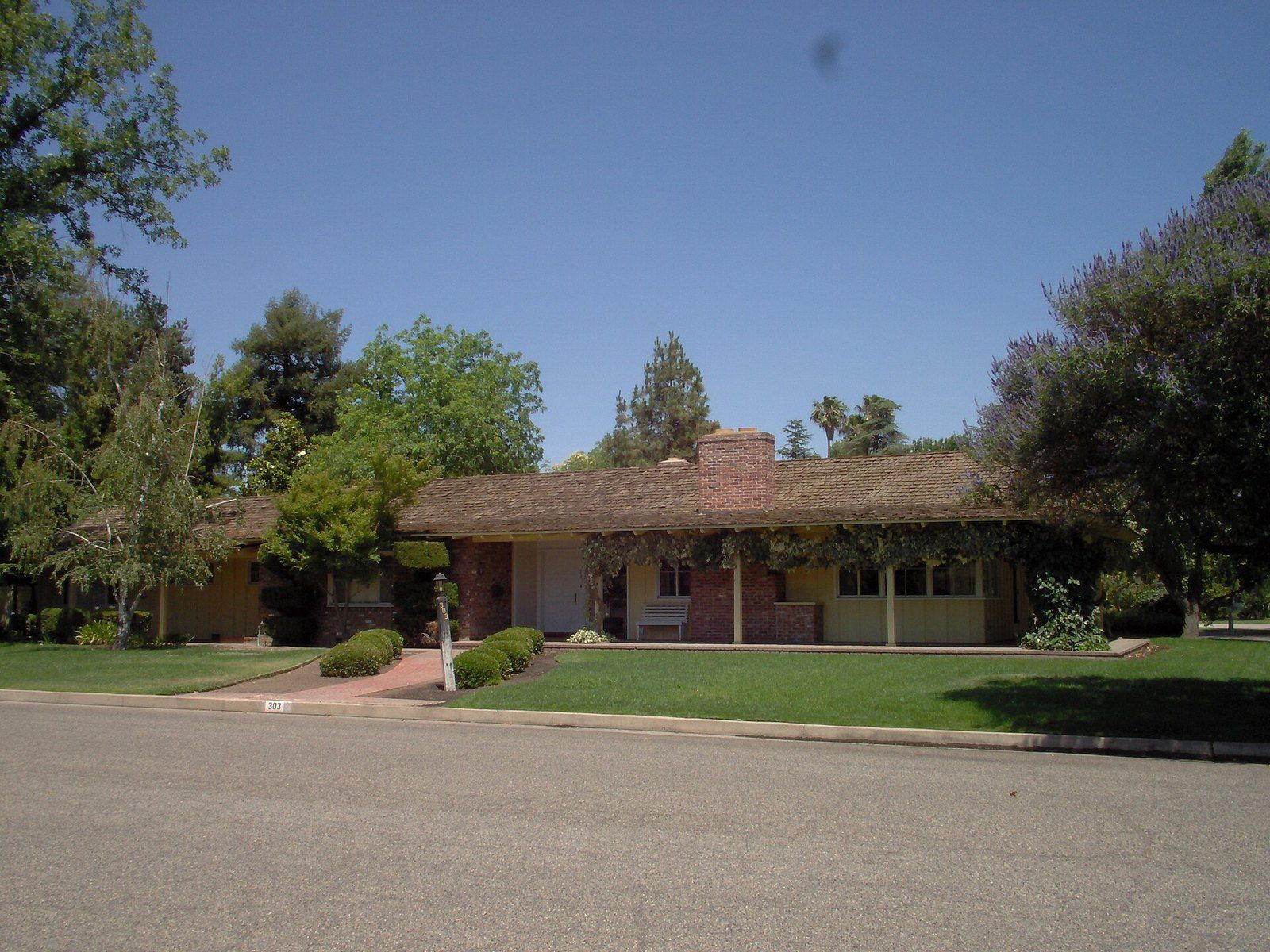
The California Ranch House
One story, a long low roof and a patio off the living room: a Western plan that crossed the country after 1945.
-
 Design and Renovation
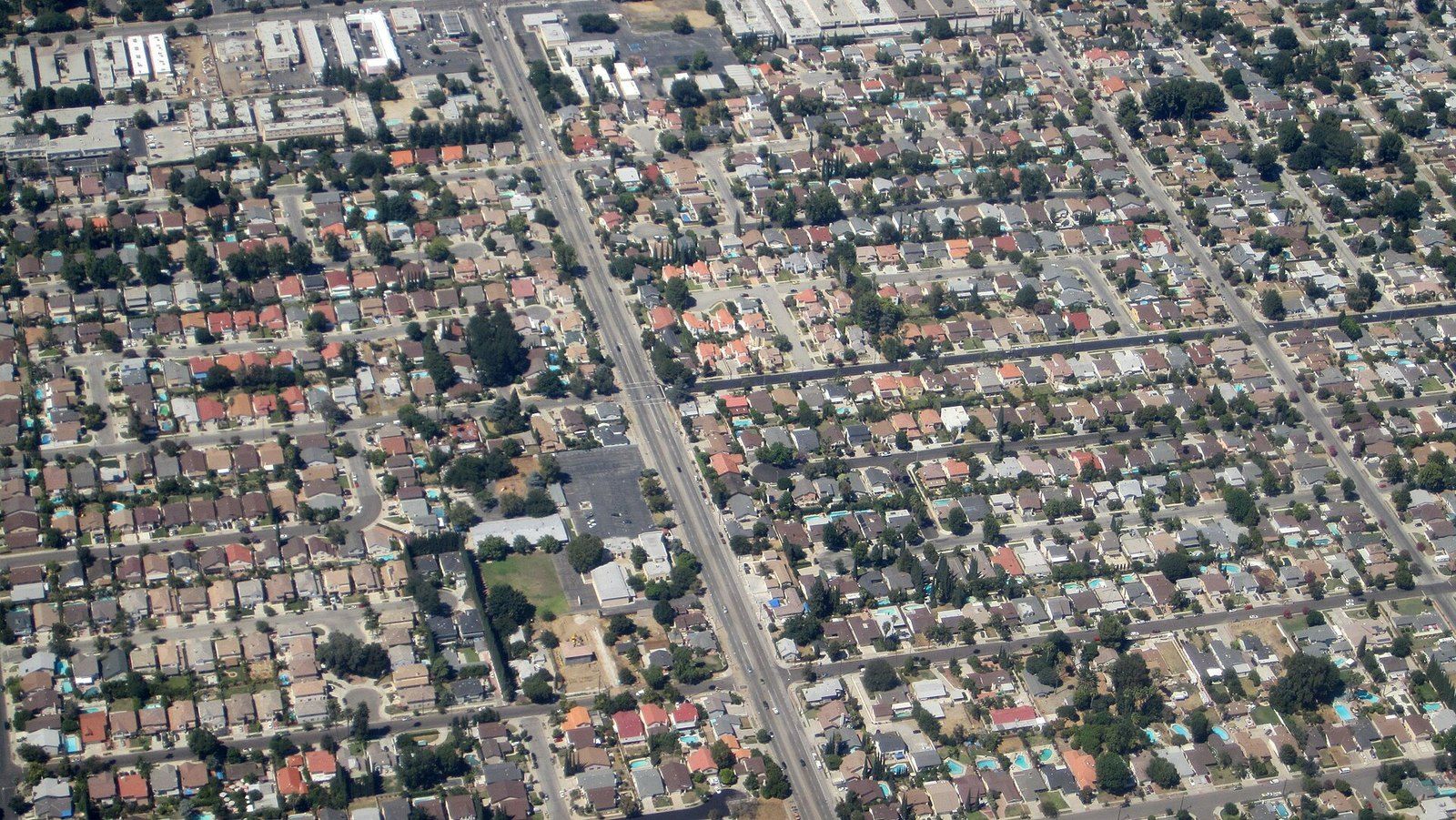
The Age of the Housing Stock
Census figures on how old American houses have become, and the windows, plaster and systems that age brings due.
-
 Foothill House Styles
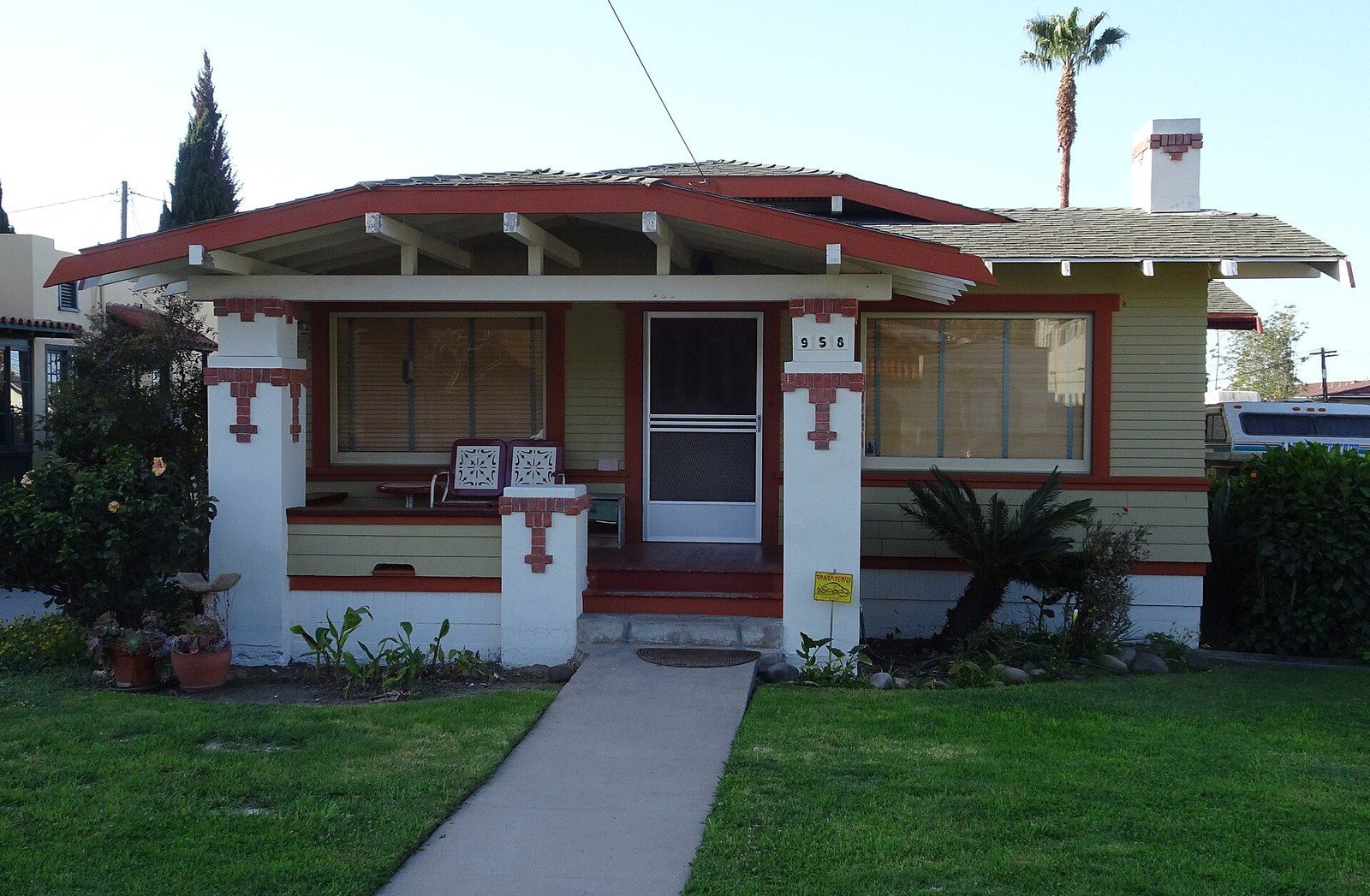
The Craftsman Bungalow
Low gables, deep porches and built in cabinets: the small wooden house that carried the Arts and Crafts movement to the middle class.