
Home Staging
Contents
With guidance on staging, design and renovation, Mike Kobeissi’s work covers selling, buying, building and remodeling, and staging is the part of a sale that comes after the repairs and before the opening showing. The work follows a recognizable order. A stager walks through the house and decides what stays. The owners pack away photographs, collections and surplus furniture. The rooms are cleaned, touched up and often repainted in quiet colors. Furniture, art and accessories from the stager’s own stock fill the gaps, a photographer records the result, buyers tour the rooms, and once the sale closes the borrowed pieces leave again. A Los Angeles Times account of one Beverly Hills sale follows that arc closely, from a walk through and a paint job to a stager who says the crew is gone before the name on the property changes.3
Staging is defined by its audience
The National Association of Realtors defines staging as presenting a property so its strengths show and buyers can picture themselves living there, and it separates the practice from both remodeling and trend following: the work is decluttering and styling, not construction.2 Stagers draw a similar line between their trade and interior design. A veteran Los Angeles stager told the Times that the work is not meant to reflect the owners’ taste at all, and the paper summed up the goal as making the home, rather than the homeowner, look its best.3 Interior design serves the people who will live in a room for years. Staging serves visitors who spend minutes in it while deciding whether to make an offer, which is why its choices look impersonal by the standards of interior design history.
Three forms of the service
The consumer guide names three. In person staging brings a stager into the house to rearrange what is there and, where needed, to add furniture, artwork and decorative pieces. A consultation is the lighter version: the stager visits and leaves a list of tasks for the owners to finish themselves. Virtual staging uses software to place furniture, decor or even renovations into photographs of empty or dated rooms, and the guide adds that edits which materially alter the property should be disclosed.2
Architectural Digest reported that the virtual form spread in the spring of 2020, when in person showings in New York were halted and one developer furnished an empty penthouse on screen; one designer quoted there put her turnaround at up to five business days, against weeks for a physical installation.5 The same report recorded the obvious hazard, a visitor who arrives to find bare rooms that looked furnished online.5
The order of a staging job
- VisitThe stager tours the house and judges its layout and flow.
- EditPersonal items are packed away and excess or bulky furniture comes out.
- PaintWalls get neutral colors such as beige, gray or soft white where needed.
- FurnishFurniture, artwork and decorative pieces may be brought in.
- DetailFresh towels and bedding, small touches of color, a door mat and potted plants at the entry.
- StorePacked boxes go to storage so closets read half full.
What stagers take out
Most of a first visit is subtraction. CNBC’s roundup of agents and stagers lists the basic moves as decluttering, removing personal items, painting in neutral colors, stripping dated features such as wallpaper or popcorn ceilings, and making sure each room is lit by daylight or soft electric light. It adds a second tier of turnoffs, from pet bowls and toys to religious objects and taxidermy, on the principle that anything which pulls attention from the house toward a single object should be put away.4
House Beautiful’s canvass of professional stagers arrives at a list fourteen items long: family photographs, generic rugs, countertop appliances, worn or oversized furniture, heavy window treatments, strong scents, sports memorabilia and political or religious symbols among them.8 One stager there argues that counters are read as usable area, so every small appliance shrinks the workspace a visitor thinks the kitchen offers.8
What stagers bring in
Addition comes second and is usually modest. The consumer guide suggests fresh towels and bedding, a few throw pillows or blankets for color, a door mat and potted plants at the entry, and closets packed down to half full.2 Architectural Digest’s guide for owners working without a professional adds repainting a scuffed front door, planters on either side of it, a wall of mirrors to make a living room read larger and brighter, and one clear purpose for any room that has been doing double duty.6 The agents CNBC consulted recommend showing built in storage by emptying shelves, choosing fresh flowers over artificial ones, and drawing the eye upward in low rooms with vertical art and curtain rods hung close to the ceiling.4 Light does much of this work, and the craft behind it is covered under residential lighting design.
The rooms that receive the most attention
The association’s 2025 Profile of Home Staging, built from a February 2025 survey of its members, asked both sides of the transaction which rooms matter. Buyers’ agents ranked the living room as the most important space to stage, at 37 percent, followed by the primary bedroom at 34 percent and the kitchen at 23 percent, with the guest bedroom last.1 Sellers’ agents reported where the effort actually goes, and the order is nearly the same. The improvements agents most often recommended to sellers were decluttering, a full cleaning and better curb appeal.1
Rooms sellers' agents typically stage
The survey behind the claims
The figure most often repeated from the report is that 83 percent of buyers’ agents said staging made it easier for a buyer to picture the property as a future home.1 The numbers on price are more modest. Seventeen percent of buyers’ agents said staging raised the dollar value offered by one to five percent compared with similar unstaged homes, while 41 percent said it made no difference to the offer. Among sellers’ agents, 19 percent reported a one to five percent increase and 30 percent a slight reduction in time on the market.1 The median spent on a staging service was $1,500, against $500 when the agent staged the house personally.1
Costs at the top of the market run far higher. Curbed reported in 2022 that one New York broker put the minimum at $10,000 to $12,000 for a single bedroom unit, with waits of several weeks, because the trade depends on large stocks of lamps, pillows and sofas that supply chain delays had thinned.7
What staging cannot change
Staging changes how a house is perceived, not what it is. The association’s guide places renovation outside its scope, and its survey is a poll of agents’ impressions rather than a controlled comparison of sale results: 12 percent of buyers’ agents said staging had no effect on a buyer’s view, and 60 percent said it affected some buyers but not always. The poll drew 1,266 usable responses, a response rate of 2.5 percent.1 The physical kind is also temporary by design; the Times described the furniture and art leaving on movers’ trucks as soon as a sale is final.3 Wiring, roofing and old windows are the same after the pillows go, a subject covered under the age of the housing stock. Whether staging suits a particular property, and how much to put into it, is a question for the owner’s own agent and advisors.
References
- National Association of Realtors. 2025 Profile of Home Staging, 2025.
- National Association of Realtors. Consumer Guide: Staging Your House for a Sale, 2026 03 18.
- Los Angeles Times. Keep your ego out of staging, the home is the star, 2016 05 14.
- CNBC. Staging your home for sale? Check this out first, 2013 12 19.
- Architectural Digest. Will Virtual Staging Become the New Norm?, 2020 07 30.
- Architectural Digest. 9 Tips for Staging Your Home Without Hiring a Pro, 2022 03 29.
- Curbed. The Supply Chain Shortage Hits Home Stagers, 2022 03 17.
- House Beautiful. The 14 Things Professional Stagers Always Remove From a Home Before Every Showing, 2026 08 18.
External links
See also
-
 Design and Renovation
Residential Lighting Design
Why rooms need several kinds of light, and how warmth, brightness and color accuracy are measured on a bulb.
-
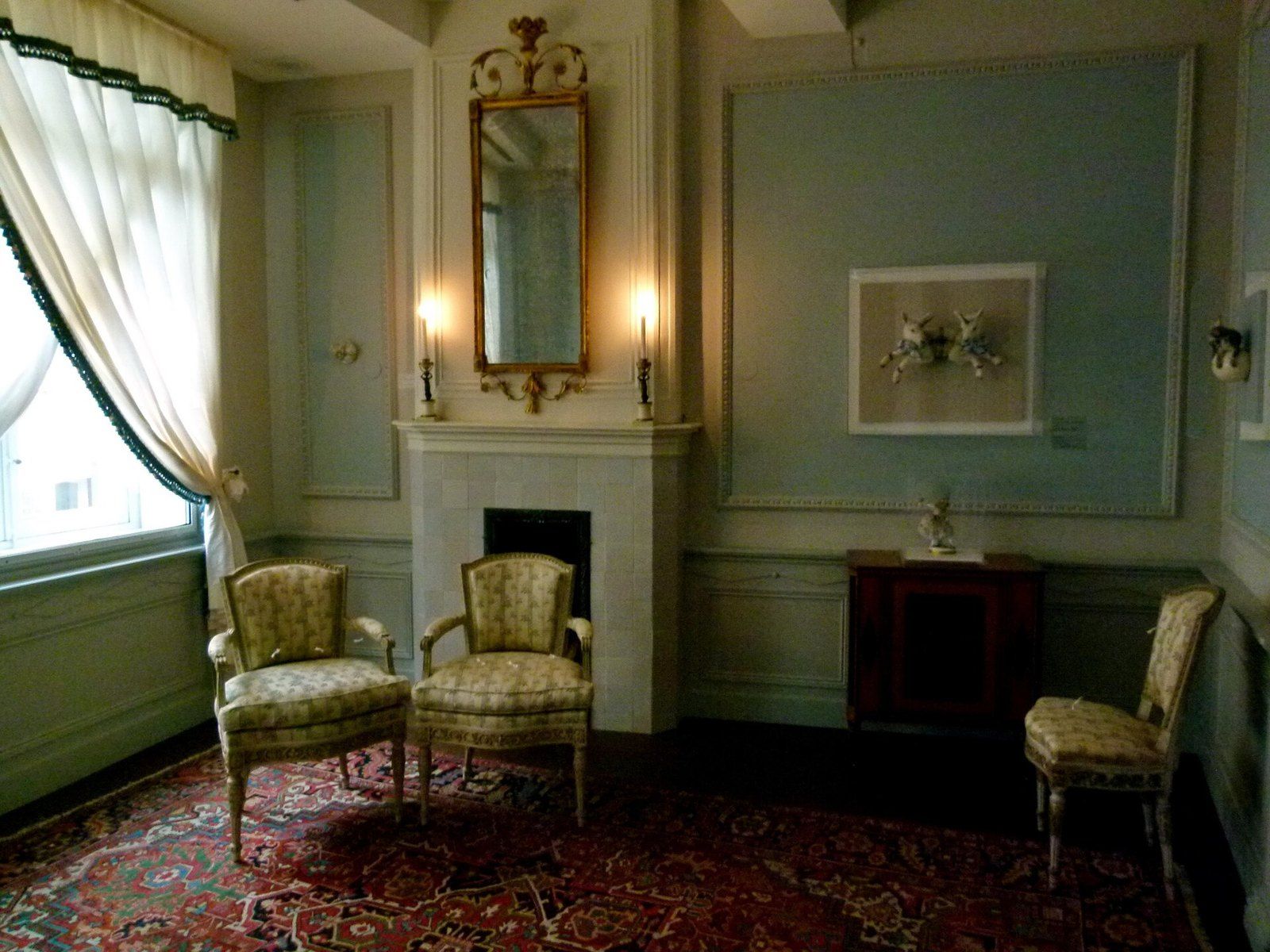 Design and Renovation
The History of Interior Design
How the furnishing of rooms grew from ornament for rulers into a field with its own famous names and arguments.
-
 Design and Renovation
The Age of the Housing Stock
Census figures on how old American houses have become, and the windows, plaster and systems that age brings due.
-
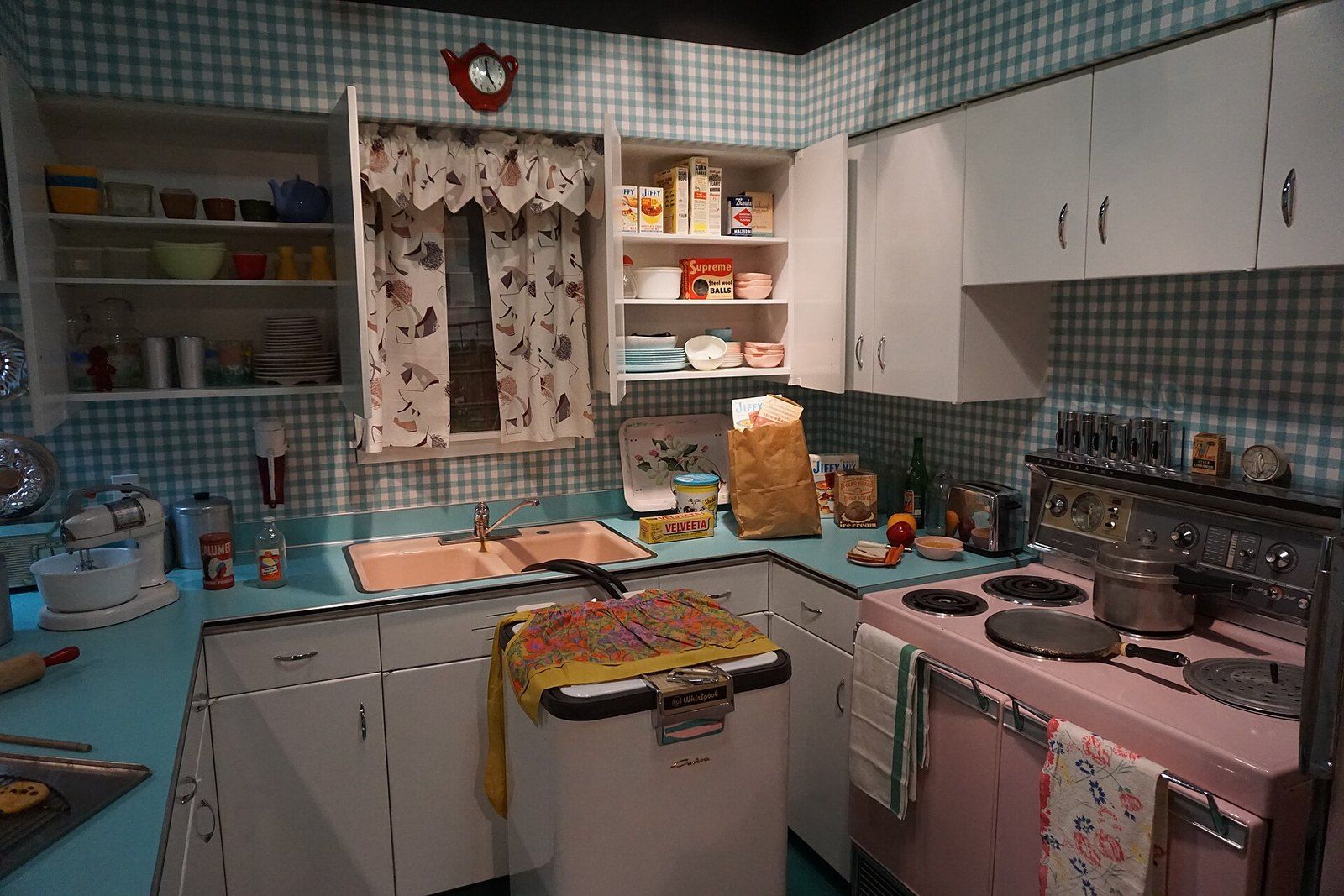 Design and Renovation
The History of the Kitchen
A century of cabinets, galleys and open plans, told through the planning rule that measured them all.
-
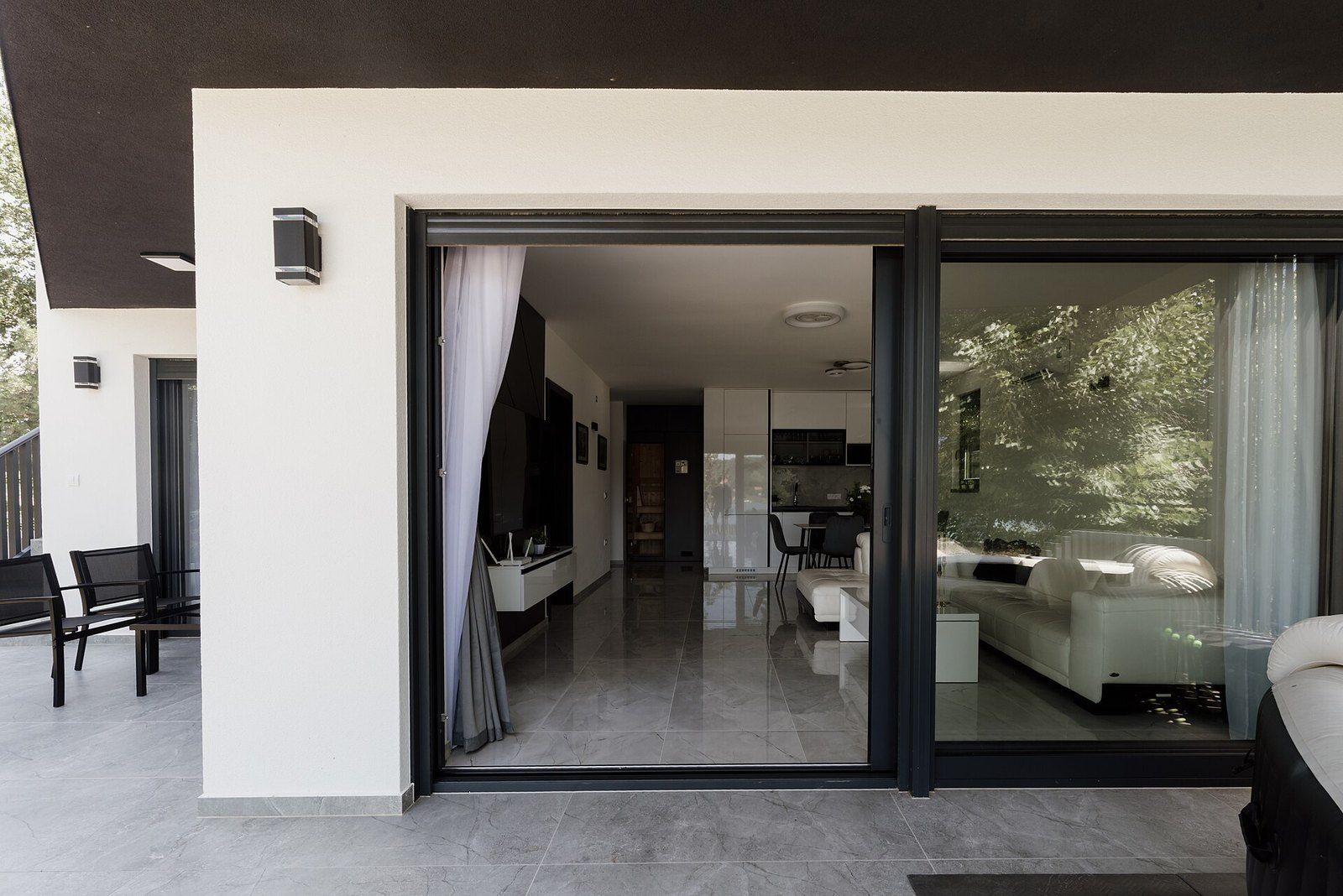 Gardens and Outdoor Living
Indoor Outdoor Living
How a wall of sliding panels and a courtyard plan turned the California yard into a set of rooms.