
The Concours d'Elegance
Mike Kobeissi collects exotic and rare cars, and the concours d’elegance is the kind of event where machines of that sort are parked on a lawn and scored for appearance and authenticity instead of speed. Hagerty’s glossary of car show vocabulary defines a concours as a judged show in a tradition roughly a century old, one that evaluates vehicles on the quality of their aesthetics, and it places the format at the far end of the hobby from the weekend parking lot meet: champagne, a manicured golf course and big prewar cars with spare wheels mounted in their fenders.1 The same glossary names the annual Pebble Beach Concours d’Elegance, the centerpiece of Monterey Car Week, as the archetype.1 That show was first held in 1950, which, as Road & Track pointed out, makes it nearly as old as the Ferrari brand.5
Two ends of the car show spectrum
| Concours d'elegance | Cars and coffee | |
|---|---|---|
| Format | A judged show | An informal gathering |
| What is assessed | The quality of each car's aesthetics | Nothing; owners talk and leave |
| Typical setting | A golf course lawn | A parking lot or other public venue |
| Typical timing | A scheduled annual event | Early on a weekend morning, often over by about 9 a.m. |
| Signature cars | Big prewar cars with fender mounted spare wheels | Whatever owners drive in that morning |
Pebble Beach set the pattern
The template that other shows follow is visible in a few snapshots of the Monterey event. At the 57th edition in 2007, The New York Times reported judging in 24 classes, from antiques built before 1916 to postwar sports cars, with special categories for particular marques, and a Best of Show award to a 1935 Duesenberg SJ nicknamed the Mormon Meteor, once used to set a 24 hour land speed record.2 By the 70th edition in 2021, Robb Report counted 230 contenders, awards across 26 classes plus 27 special honors, and a judging panel that included the president of Bugatti and Lamborghini and a former global head of design at General Motors. The top prize went to a 1938 Mercedes Benz 540K Autobahn Kurier, the only surviving example of two built.4
The field changes slowly. Postwar cars needed decades to become old enough for the lawn, and the concours chairman told Road & Track in 2024 that they had become a solid majority of entries, a balance that tipped for good in 2019. Among the 214 show cars that year the oldest was an 1898 Mors, and only one postwar car, a 1954 Ferrari 375 MM in 2014, had ever taken Best of Show.5 The 2024 winner broke a different habit: a 1934 Bugatti Type 59 became the first preservation car, rather than a restored one, to win the top award.5
The 70th Pebble Beach Concours, 2021
- Cars in contention for Best of Show
- 230
- Judged classes
- 26
- Special honors awarded
- 27
- Past Best of Show winners on display
- 38
How a car earns its score
Scoring at a concours rewards the condition and correctness of each car, and in 1998 Pebble Beach added a test of function. The New York Times described the Tour d’Elegance as a leisurely loop of about 70 miles around the Monterey Peninsula for cars entered in the Sunday competition. Under its rules, when two cars in a class finish level on points, the one that completed the tour takes the class.3 Because entries now so often earn maximum scores, the tour has become the working tiebreaker, and by the paper’s account a car that skips it cannot win Best of Show.3 The rule answered an old criticism, that the lawn had become a parking place for trailer queens, cars polished to perfection that did not even run.3
Classes give the scoring its structure, since each car is measured against others of its era or type, and a strong group can be divided again. Hot Rod’s report from the 2016 San Marino Motor Classic described a true concours of more than 300 finely restored entries in which the American muscle car class had grown from 12 cars to 24 in three years, enough that organizers split it into three subclasses for judging: GM cars, other makes and convertibles.6 Regional shows keep the same rhythm. The Huntington Beach Concours d’Elegance, first staged in 1986 on the lawns of Huntington Central Park, takes entries from the early 1900s to the present, lists more than 350 entrants, and runs a day that moves from placing cars at dawn to judging, public viewing and an afternoon awards ceremony.8
The Southern California calendar is arranged around Monterey. Autoweek reported in 2021 that more than a dozen Pebble Beach entries came down the coast a week later to the San Marino Motor Classic, whose chairman said the date was chosen because shipping a car south costs far less than sending it back east and returning.7
A concours Sunday at Huntington Beach
- 6:15 to 8:00 a.m.Entries arrive and are placed on the lawn.
- 9:00 a.m.The concours opens to the public.
- 9:30 a.m.Judging begins.
- 10:00 a.m.Opening ceremonies on the main stage.
- 1:00 p.m.The drive by line up begins.
- 2:00 p.m.The concours awards are presented.
- 4:00 p.m.The Sunday show ends.
What a concours cannot do
A concours measures how closely a car matches an ideal of finish and originality. It says little about how that car behaves on an ordinary road or what it would bring if offered for sale. Even the tour tests only whether a car can finish a gentle loop, and the Times noted that some owners need hours to coax very old machines to the end.3 The format also struggles with breadth. The Concours d’LeMons, a satirical show in Seaside that hands a Worst of Show award to roughly 100 tired cars, began as a reaction to the formality of Pebble Beach, and its founder told Road & Track that the main event had grown a little stodgy and serious before Car Week began to loosen up.5
What a ribbon can do is shape demand. The auction specialist David Gooding told the Times that the tour changed the collecting world: buyers began to look for cars able to run in events such as the Mille Miglia, and eligibility and mechanical pedigree became key elements of a car’s desirability at auction.3 That link runs straight into the collector car market, while the informal cars and coffee meet, which scores nothing at all, sits at the other end of the same hobby. Whether a particular car, or a property with a garage built around one, is worth buying is a question for the reader’s own advisors, and no score from a lawn decides it.
References
- Hagerty. 12 automotive terms to survive cars and coffee, 2020 02 27.
- The New York Times. The Classics of Pebble Beach, '07 Edition, 2007 08 21.
- The New York Times. Pebble Beach Tour d'Élégance Vanquishes the Trailer Queens, 2013 08 15.
- Robb Report. A 1938 Mercedes Benz Takes Top Honors at the Pebble Beach Concours d'Elegance, 2021 08 16.
- Road & Track. Monterey Car Week Welcomes All, 2024 08 22.
- Hot Rod. Big Blocks Muscle into 2016 San Marino Motor Classic, 2016 07 05.
- Autoweek. The 21 Very Best Cars of the San Marino Motor Classic, 2021 08 23.
- Visit Huntington Beach. Concours d'Elegance.
External links
See also
-
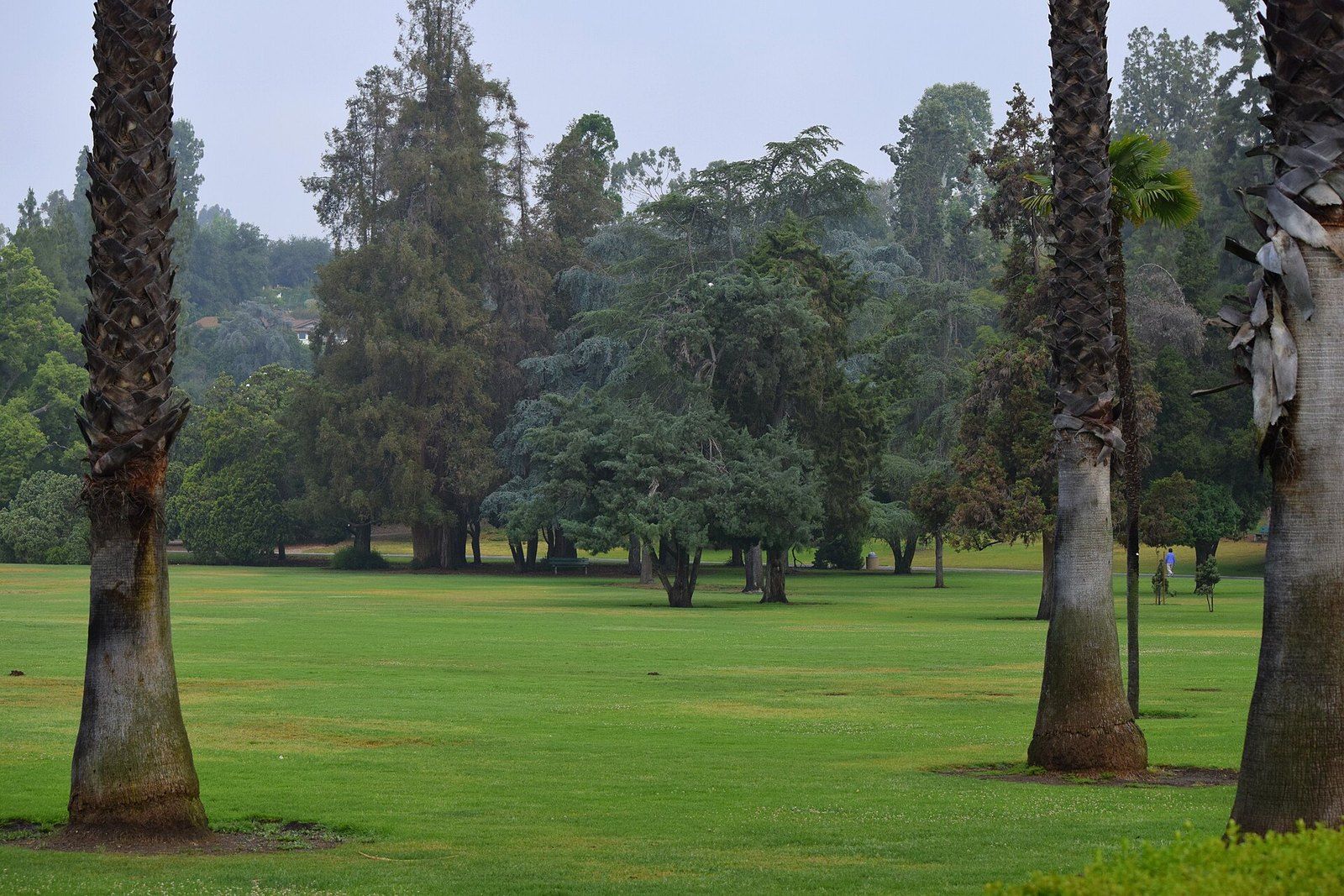 Collector Car Culture
The San Marino Motor Classic
A charity concours on a city park lawn near Pasadena, with prewar classics, muscle cars and dozens of judged classes.
-
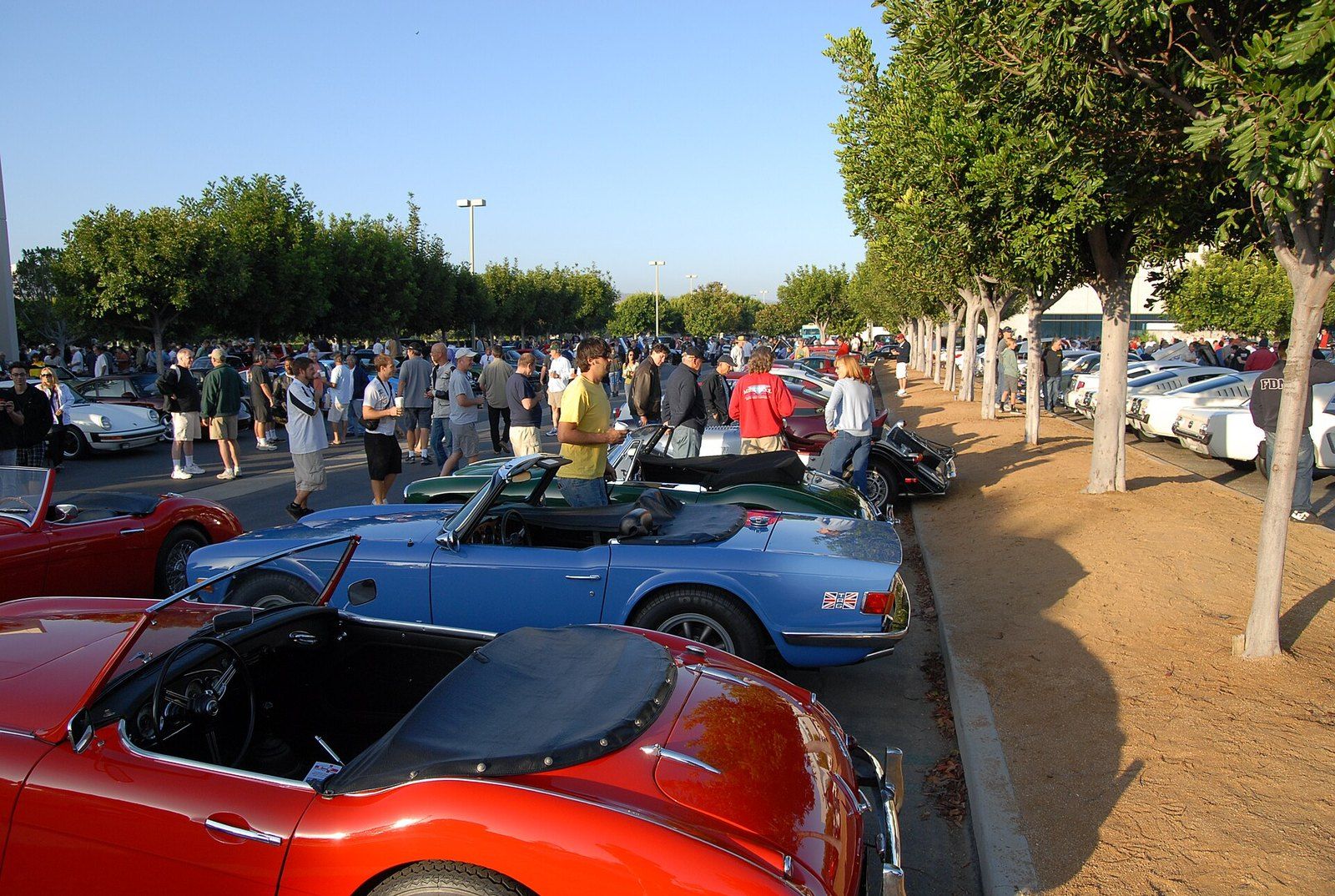 Collector Car Culture
Cars and Coffee
No fees, no trophies, no registration: the Orange County car meet whose name and rules were copied around the world.
-
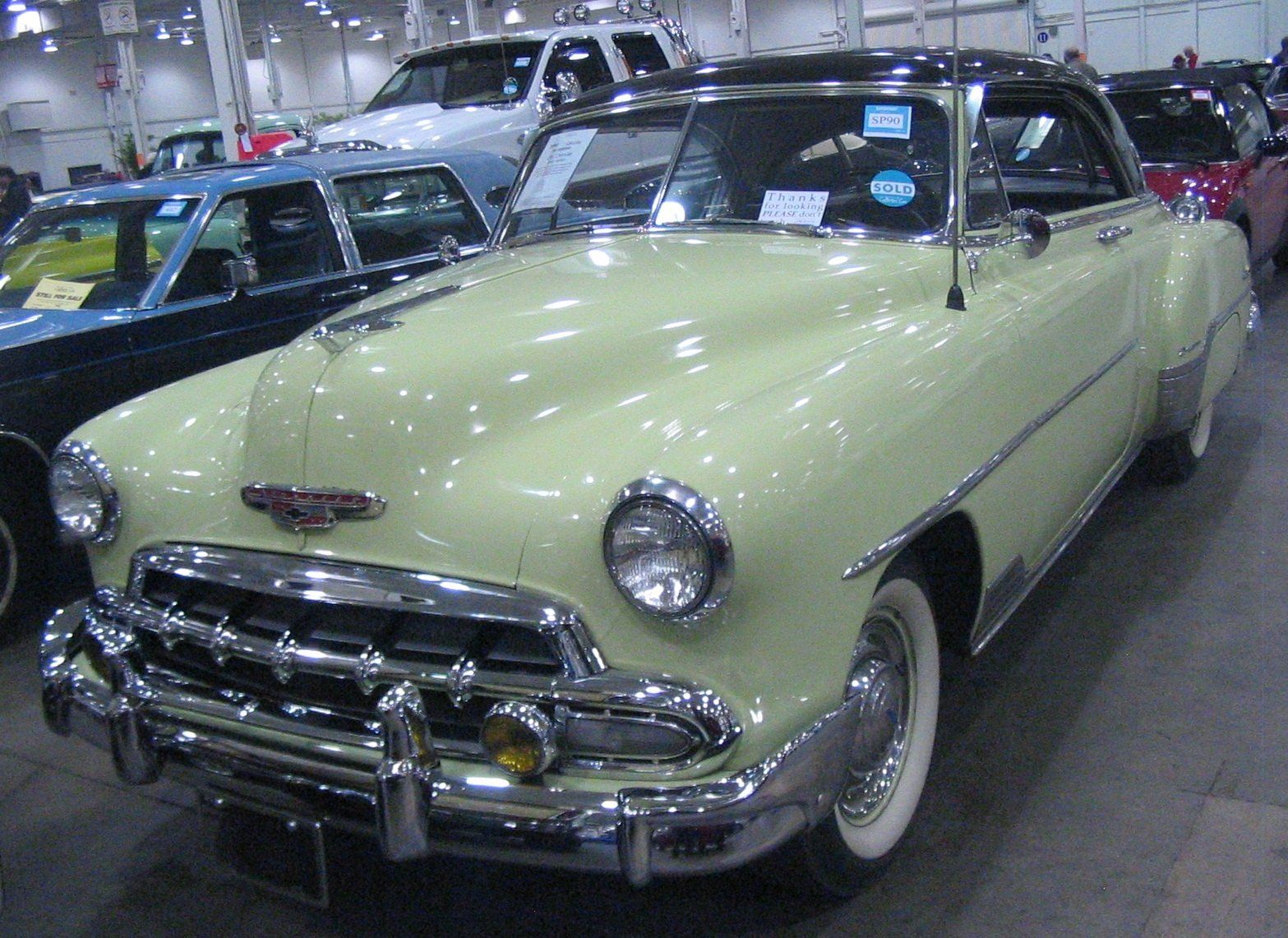 Collector Car Culture
The Collector Car Market
Indexes, condition grades and auction tallies that analysts use to read prices for old automobiles, and the swings they record.
-
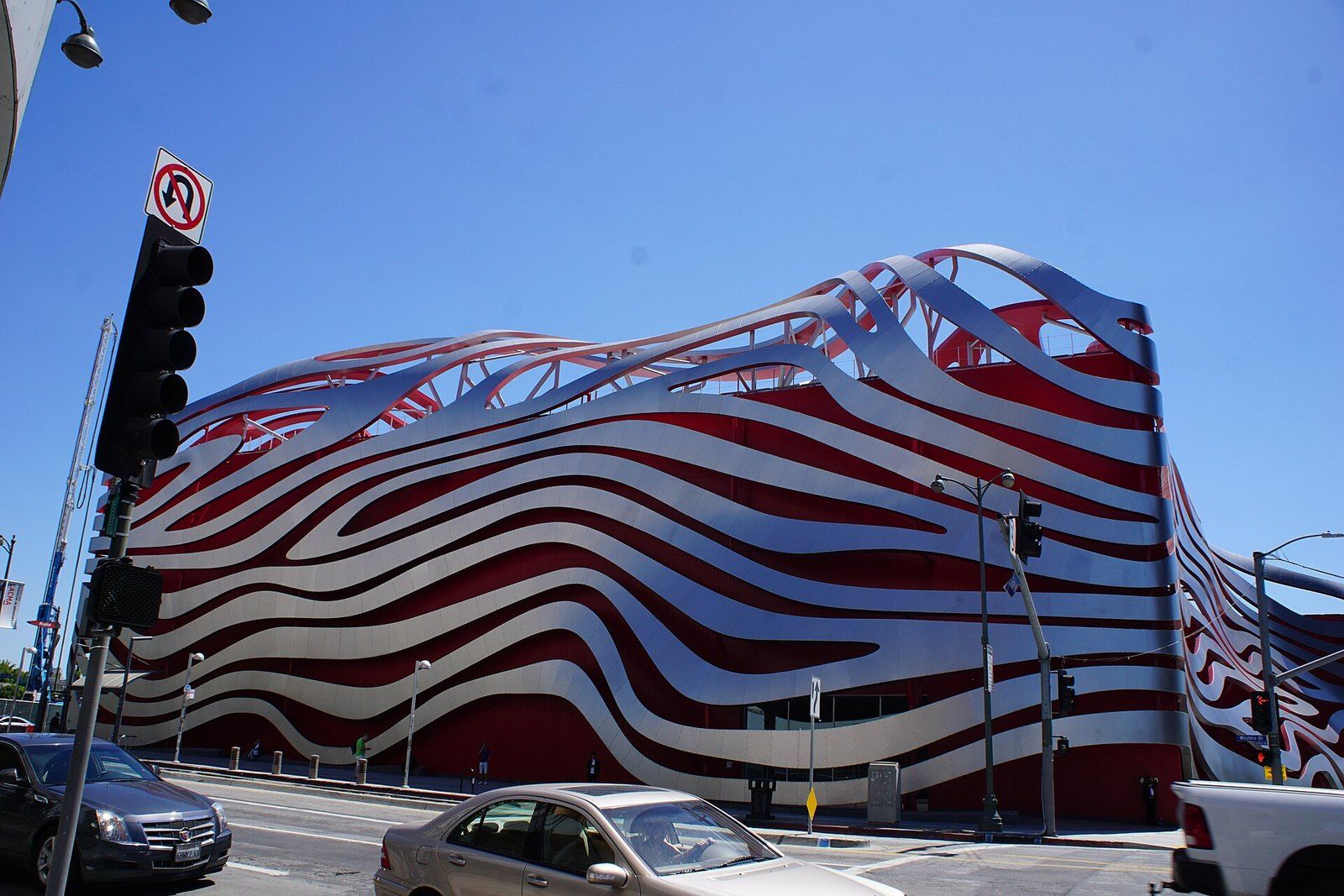 Collector Car Culture
The Petersen Automotive Museum
A magazine fortune, a former Seibu store and 308 steel ribbons on Museum Row, with hundreds more cars kept underground.