
Cars and Coffee
Contents
Mike Kobeissi hosts Cars and Coffee gatherings at his office, and Cars and Coffee as a format is widely believed to have begun in an Irvine parking lot in 2006. That account holds up, within limits. Hagerty credits the Irvine gathering with launching the Cars and Coffee movement, the early Saturday meetings of enthusiasts and their machines that now take place across the world.7 Irvine is where the name was coined, where the rules were set and where the idea became famous enough to copy. But the gathering was older than its name. It had already spent three years at a seaside shopping center, and before that it was a breakfast habit among hot rod owners, so the honest version of the origin story starts a few miles up the coast.
Before Irvine: a breakfast and a seaside lot
The club history kept by the Austin Healey Association of Southern California traces the event to early 2003, when several hot rod owners split off from the Donut Derelicts breakfast in Huntington Beach and began meeting each Saturday at the Crystal Cove Promenade, near a coffee shop, at what they considered the more civilized hour of eight.10 There was no promotion. Drivers on Pacific Coast Highway noticed the classic cars and the word spread; one early member recalled a time when only a dozen cars came, and the gathering went by no fixed name, sometimes Croissants and Coffee.10 Hagerty’s later account, drawing on the organizer John Clinard, tells the same story of a breakfast that slowly grew into a loosely organized Saturday gathering at Crystal Cove around 2003.8
The lot between Newport Beach and Laguna Beach became a showcase. Driving Line’s history of Crystal Cove remembers it as a free weekly concours with ocean views, an early start that filtered for devoted enthusiasts, and an unwritten rule that only the most worthy cars parked in the center rows; it was where several of the most sought after exotics of the period were first seen in public.1 Owners were happy to talk and to show their cars up close, and the writer remembered none of the hard sell or showing off that some later attached to Irvine.1 Growth ended it. A television segment brought crowds, cars began queuing on the highway, residents of the expensive homes above objected to engines at dawn, and on October 14, 2006 the Irvine Company, which owned the center, brought the event to a close.10 Autoweek summed up the sequence: the forerunner began at Crystal Cove in 2003, was always free, and outgrew its small roots in 2006.5
Crystal Cove and Irvine compared
| Crystal Cove Promenade, 2003 to 2006 | Ford's Irvine lot, 2006 to 2014 | |
|---|---|---|
| Who came first | Hot rod owners who split off from Donut Derelicts | The whole Crystal Cove crowd, moved with Ford's help |
| Name | Sometimes Croissants and Coffee, or no name at all | Cars and Coffee, coined by Freeman Thomas |
| Capacity | A lot that could arguably hold 100 to 200 cars | Lots with room for about 600 exhibited cars |
| How it ended | Stopped by the property owner on October 14, 2006 | Paused by its volunteers in December 2014 |
The Irvine years, 2006 to 2014
The rescue came from Ford. Its design director Freeman Thomas and local public relations manager John Clinard, both regulars at Crystal Cove, proposed moving the gathering to Ford’s Premier Automotive Group headquarters on Gateway Avenue, and from October 21, 2006 the company hosted it.10 Thomas supplied the name. As Clinard told Hagerty, Thomas thought aloud about Crystal Cove’s initials, CC, and proposed Cars and Coffee.8 The Orange County Register reported that about 350 enthusiasts came at first; by 2014 the average crowd of cars was about 1,000, with room for 600 display cars on the Ford lot and 400 more on a lot shared with neighboring offices.2
What made Irvine work was how little it asked. Driving Line’s farewell lists what it lacked: no entry fees, no registration, no trophies, no music, only the cars, and it describes a lot where a vintage sports car, a flat black hot rod and a modified tuner could sit in the same row.6 Manufacturers sometimes brought concept cars and prototypes to gauge the reaction of ordinary enthusiasts, and the Register noted that automakers debuted new models there before they reached dealers.62 Clinard and his wife, Linda, ran it with a handful of volunteers for 410 mostly consecutive Saturdays, laying out barrels and signs before dawn.7 The club history tallies 185,000 cars exhibited and 450,000 visitors over those Saturdays, and records the one rule the volunteers added late, barring four door cars newer than 1999 from the exhibit lot to ease crowding.10
Irvine at the start and at the end
- enthusiasts at the first Irvine gatherings in 2006
- 350
- display cars the Ford lot could hold
- 600
- average crowd of cars by 2014
- 1,000
The end of the Irvine gathering
By late 2014 the event had outgrown its home. Clinard told Road & Track that the organizers were turning people away, that the gathering had become unwieldy, and that new construction across the street would only make matters harder, so they chose to act first; December 20 was the last Saturday on the lot.4 The planned finale a week later never happened. The Daily Pilot reported that the December 20 gathering drew the largest crowd in the event’s eight years, an estimated 1,000 show cars spilling across three office park lots and a hotel lot across the street, and the organizers canceled December 27.3 Clinard rejected rumors that a landowner had forced the decision, calling it the volunteers’ own; it was, he said, a victim of its own success.34
The original returned only briefly. In 2019 the Clinards held an invitation only reunion on the old lot that drew more than 200 cars despite rain and raised money for a youth program in Orange County, and Clinard, asked whether more would follow, answered maybe.7
How the format spread
The idea had left Irvine long before Irvine closed. Even in its Irvine years the gathering drew from far away; Hagerty notes that overseas visitors stopped in Los Angeles just to see the Saturday show, and Driving Line describes men and women of all ages and backgrounds, local regulars beside travelers from across the world.76 In 2014 Clinard counted about 100 Cars and Coffee gatherings around the globe, including one in Tehran, and the Austin Healey club history put the number of cities with similar events at more than 100.310 In 2010 The New York Times described a monthly Cars and Coffee at a shopping center in Scottsdale, Arizona, where more than 100 classics and new exotics took over part of a parking lot, and noted that such gatherings were held on weekend mornings across the country.9 The Hagerty writer who first stumbled onto the Irvine lot in 2007 asked permission to use the name back East; his first meet at his own shop drew about 25 cars, and by the time he ended it about 400 people were coming.8 Hagerty now hosts its own at its headquarters in Traverse City, Michigan.7 The same writer captured why the format holds people. On a later visit to Irvine he brought a three wheeled 1948 Davis he had just bought, and an older man in the crowd identified it as the builder’s own prototype, then proved the claim by pointing to the suspension weld he had made on it decades before.8 The format also bends to local weather: in Scottsdale the season opened in late November, once the desert heat had broken.9
How the name traveled
- Huntington BeachA Saturday breakfast of enthusiasts at Donut Derelicts slowly draws more people.
- Crystal Cove, 2003It becomes a loosely organized gathering every Saturday morning.
- IrvineFord offers its facilities, and Thomas turns Crystal Cove's initials into Cars and Coffee.
- East CoastA collector borrows the name for a meet at his own shop: about 25 cars at first, about 400 people later.
Driving Line saw the same spread, a style of gathering that began in Southern California, moved across the country and kept appearing in Orange County after the original was gone, though none matched its scale.6 Writing in 2020, the Hagerty writer judged that such events were now pretty much everywhere, bringing every kind of enthusiast together around every kind of car, so that on almost any weekend morning one is likely to be nearby.8 What traveled was the format more than any one lot: an early hour, a free parking area, coffee, and cars of every kind with nothing to win. The same impulse to gather cars for people to study, in a permanent setting rather than a borrowed lot, is the subject of the next entry, the Petersen Automotive Museum, and the older tradition of judged display is covered under the concours d’elegance.
References
- Driving Line. Cars & Coffee: The Real Beginnings at Crystal Cove, 2013 05 13.
- Orange County Register. Citing its incredible popularity, Irvine's Cars and Coffee club shutting down, 2014 12 17.
- Los Angeles Times, Daily Pilot. Cars and Coffee Irvine auto show closes shop, 2014 12 23.
- Road & Track. The official word on the final Cars & Coffee Irvine, 2014 12 22.
- Autoweek. Cars and Coffee Irvine temporarily shuts down, 2014 12 16.
- Driving Line. Cars & Coffee Irvine: Gone But Never Forgotten, 2017 05 01.
- Hagerty. California's granddaddy Cars and Coffee revives for a one time (maybe) reunion, 2019 10 07.
- Hagerty. Cars and coffee is the best: no competition, no trophies, just community, 2020 05 11.
- The New York Times. Contemporaries, Classics and Coffee in the Desert, 2010 12 23.
- Austin Healey Association of Southern California. Cars & Coffee History.
External links
See also
-
 Collector Car Culture
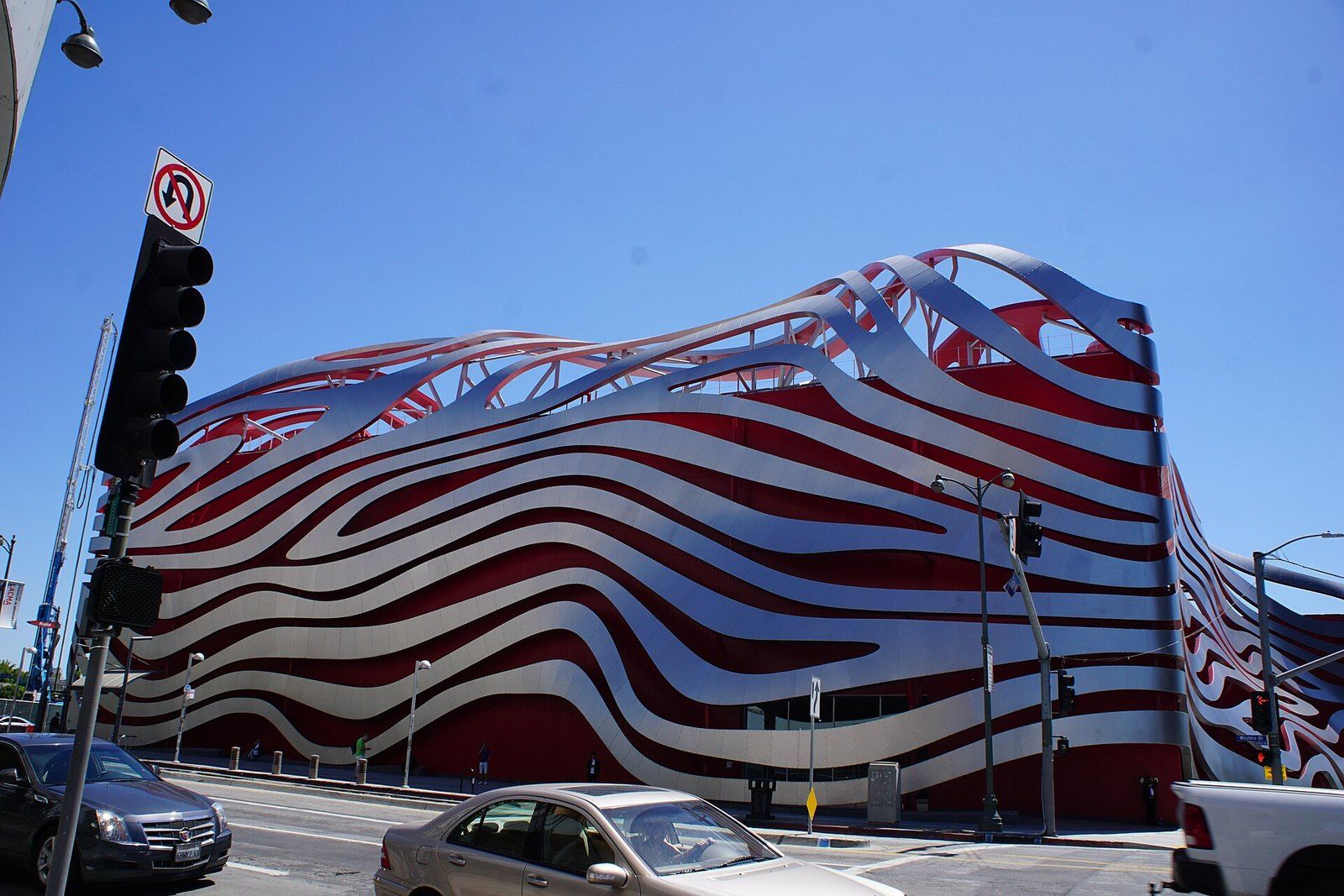
The Petersen Automotive Museum
A magazine fortune, a former Seibu store and 308 steel ribbons on Museum Row, with hundreds more cars kept underground.
-
 Collector Car Culture
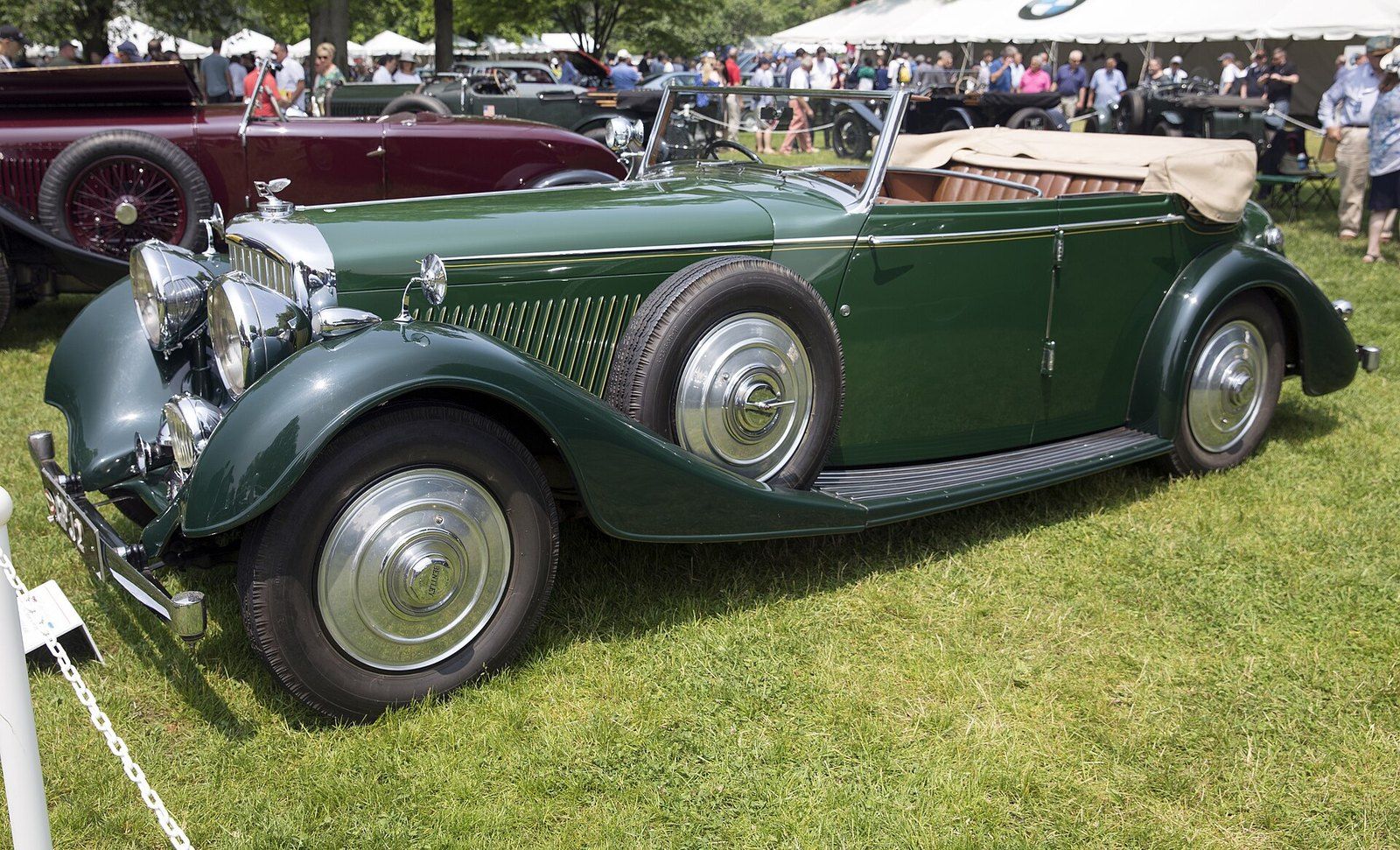
The Concours d'Elegance
Judged lawn shows for old automobiles, from the Monterey Peninsula to Huntington Central Park, and the rules behind Best of Show.
-
 Collector Car Culture
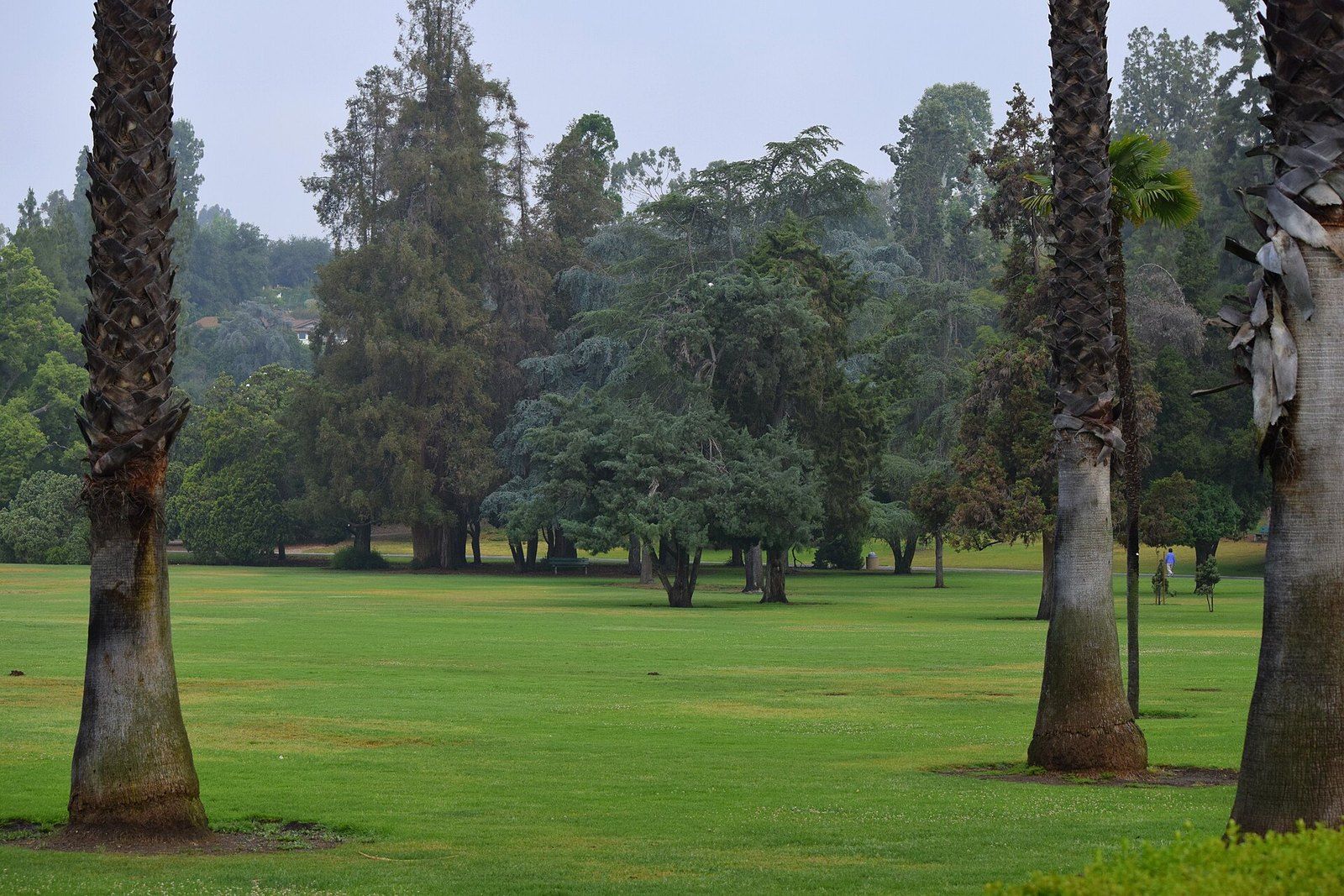
The San Marino Motor Classic
A charity concours on a city park lawn near Pasadena, with prewar classics, muscle cars and dozens of judged classes.
-
 Collector Car Culture
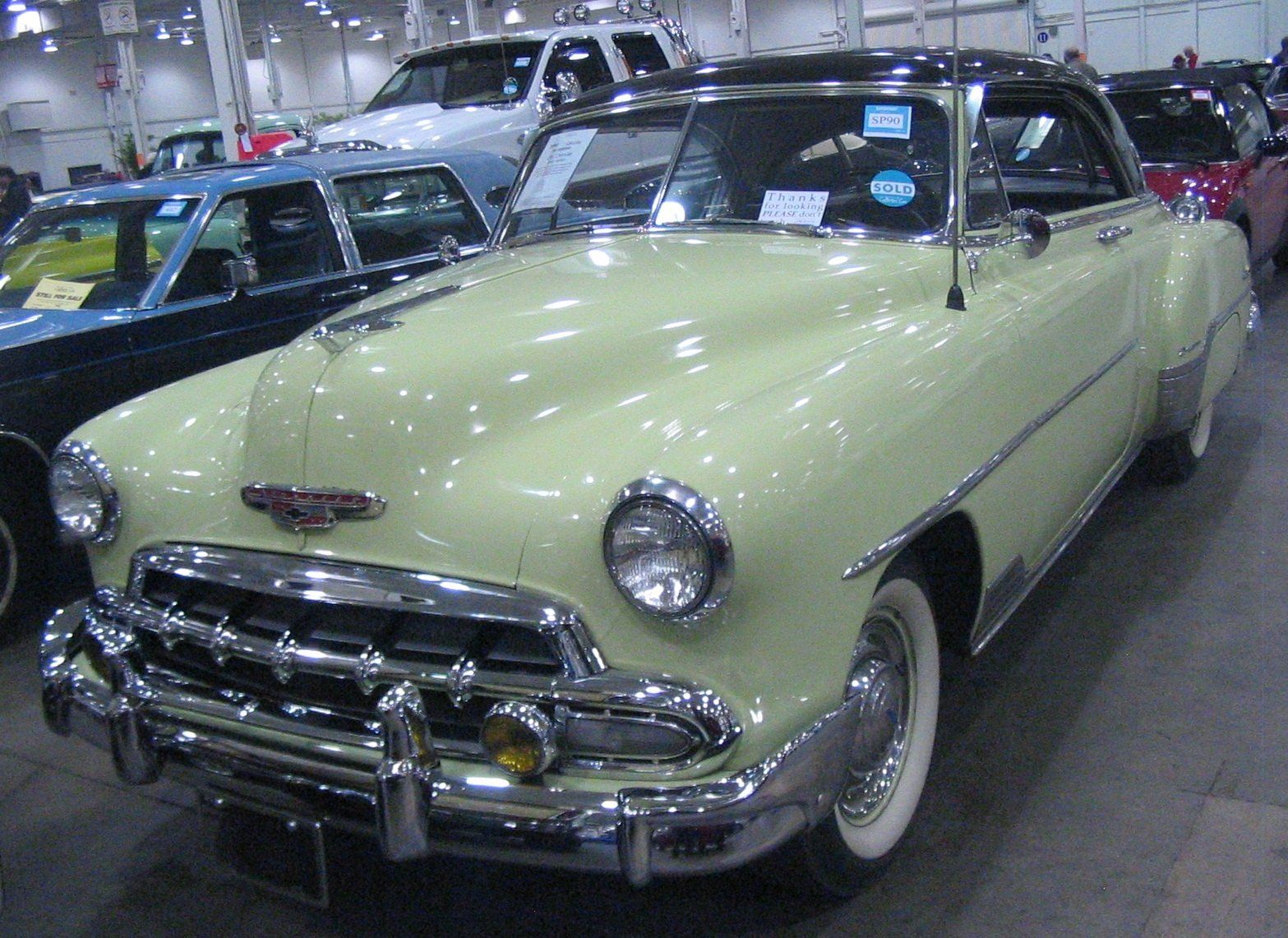
The Collector Car Market
Indexes, condition grades and auction tallies that analysts use to read prices for old automobiles, and the swings they record.
-
 Collector Car Culture
Hot Rods and Kustom Kulture
Stripped down Fords, timing associations, chopped Mercurys and the lowbrow art that grew up around them in Southern California.